Cassava
Cassava is a nutrient-dense tuber that serves as a vital food source in many tropical regions. It provides significant amounts of dietary fibre, vitamin C…
What are the nutritional benefits and potential health risks of consuming cassava?
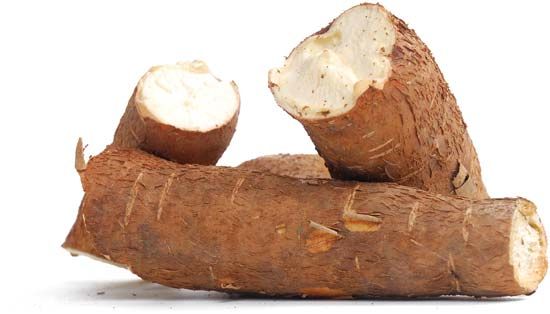
Cassava is a nutrient-dense tuber that serves as a vital food source in many tropical regions. It provides significant amounts of dietary fibre, vitamin C, thiamin, folic acid, manganese, and potassium1.
However, cassava contains cyanogenic glucosides that produce cyanide, posing serious health risks if not prepared correctly. Improperly processed roots can lead to acute cyanide intoxication. Furthermore, long-term exposure to these compounds is linked to health issues such as goitres, chronic pancreatitis, and a nerve disorder called ataxic neuropathy.1
To ensure safety, it is essential to follow traditional preparation methods. For “sweet” varieties, the skin must be generously peeled, the tubers thoroughly cooked, and the cooking water discarded. “Bitter” varieties require more intensive processing, including long soaking, fermentation, and exposure to air, to effectively remove the hydrocyanic acid.1
What are the different varieties of cassava and how do they differ?
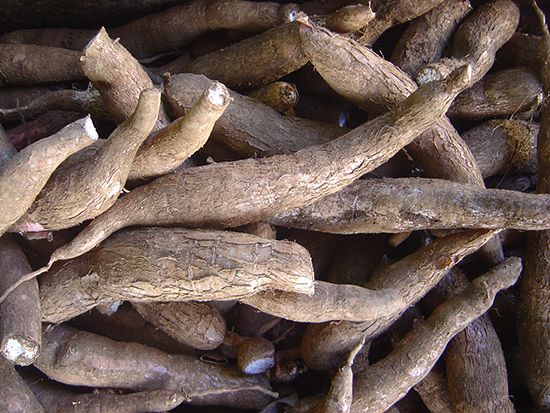
Cassava (Manihot esculenta) is primarily categorized into two main types based on their concentration of cyanogenic glucosides, which produce toxic hydrocyanic acid:
- “Sweet” Varieties: These contain lower levels of cyanogenic glucosides. They are typically prepared as vegetables by peeling the skin, cooking the tubers thoroughly, and discarding the cooking water to ensure they are safe for consumption.1
- “Bitter” Varieties: These contain higher concentrations of toxic compounds. Because of their higher toxicity, they require intensive processing—such as long soaking, fermentation, and exposure to air—before they can be safely consumed or processed into flour.12
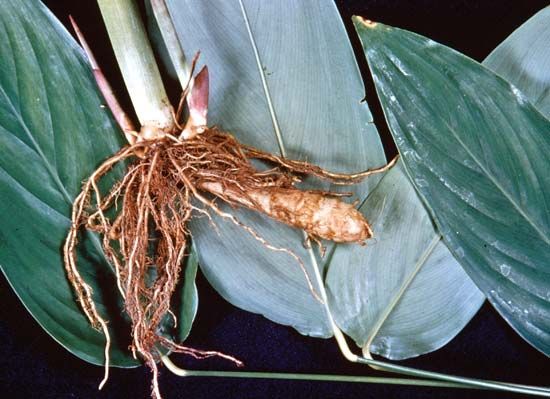
Beyond these chemical distinctions, cassava plants exhibit significant physical diversity. They range from low-growing herbs to branching shrubs and slender, unbranched trees. Different varieties have also adapted to varied environments, with some thriving in dry areas with alkaline soil and others adapted to the acid mud banks found along rivers.1
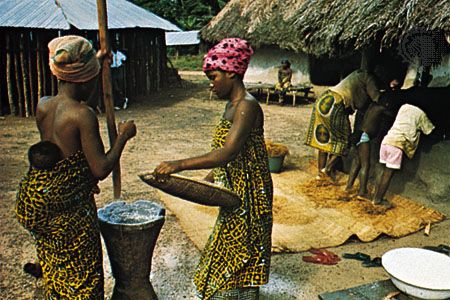
What role does cassava play in the economies of countries where it is widely grown?
Cassava (Manihot esculenta) plays a vital role in the economies of many tropical nations, serving as both a fundamental food staple and a versatile industrial commodity. Because it is easily cultivated and resilient against most food-crop pests, it serves as a reliable source of carbohydrates, often replacing cereals in the diets of populations across South America, Africa, and parts of Asia.12
Beyond its role in local food security—where it is consumed as a vegetable, in dishes like fufu, or as tapioca—cassava is a significant industrial resource. Known as manioc in industrial contexts, it is utilized in the production of textiles, explosives, leather tanning, and the manufacture of glues, dextrins, and alcohol. Additionally, the plant is processed into meal for animal feed, further integrating it into agricultural supply chains. While some nations focus on cassava primarily for domestic consumption, it remains a cornerstone of agricultural stability in regions where it is widely grown.123
What are the main uses of cassava in food and industry?
Cassava (Manihot esculenta) is a versatile crop with significant applications in both human nutrition and industrial manufacturing.
Food Uses
As a primary source of carbohydrates, cassava is a dietary staple in many tropical regions.
- Direct Consumption: The tubers are commonly eaten as root vegetables in stews or as side dishes. In various cultures, they are processed into traditional foods such as the gelatinous fufu in West Africa, bammy in Jamaica, and casabe cakes in Yucatán.1
- Processed Products: Cassava is the source of tapioca, a granular starch product widely recognized in international markets. It is also used to produce cassava flour and traditional alcoholic beverages like kasiri.14
- Leaves: When properly boiled to reduce their prussic acid content, the leaves are consumed as a nutritious vegetable rich in protein, calcium, and vitamins.4
Industrial Uses
In industrial contexts, where it is often referred to as manioc, the plant is a major source of starch4.4
Sources
- Cassava — Encyclopædia Britannica
- Cereal processing - Cassava — Encyclopædia Britannica
- Guinea-Bissau - Agriculture, forestry, and fishing — Encyclopædia Britannica
- Cereal processing - Commercial starches — Encyclopædia Britannica
Published on · 3 min read