Arrowroot
Arrowroot is a versatile starch derived from the rhizomes of various plants, most notably Maranta arundinacea. In culinary applications, it serves as an…
What are the main uses of arrowroot in cooking and food production?
Arrowroot is a versatile starch derived from the rhizomes of various plants, most notably Maranta arundinacea. In culinary applications, it serves as an effective thickening agent for soups, sauces, puddings, and desserts.1
When boiled in water, arrowroot creates a transparent, odorless, and pleasant-tasting jelly. Because of its fine texture, it is particularly valued for delicate dishes like custards, as it allows for cooking at lower temperatures and for shorter durations, preventing the overcooking that can ruin egg-based preparations. Additionally, because it is easily digested, it is frequently utilized in specialized diets that require bland, low-salt, and low-protein foods.1
It is important to note that the term “arrowroot” is sometimes applied to starches from other plants, such as cassava, which is used to produce tapioca or, in some cases, industrial products like glazes and laundry starch.12
What role does arrowroot play in gluten-free and special dietary products?
Arrowroot plays a significant role in specialized nutrition due to its unique physical and chemical properties. Because it is naturally free of gluten, it serves as a vital ingredient for those managing celiac disease or gluten sensitivities, providing a reliable thickening agent for recipes that would otherwise require wheat-based flour.1
Beyond its gluten-free status, arrowroot is highly valued in medical and therapeutic diets. It is exceptionally easy to digest, making it a preferred choice for individuals requiring bland, low-salt, and low-protein foods. Its fine texture and ability to thicken at lower temperatures allow for the preparation of delicate dishes—such as custards—that are often necessary for patients who need easily consumable, nutrient-controlled meals.1
While it provides a functional base for these dietary needs, it is important to note that arrowroot starch is primarily a carbohydrate source, supplying no vitamins and containing only 0.2 percent protein.1
Are there different varieties of arrowroot, and if so, how do they differ?
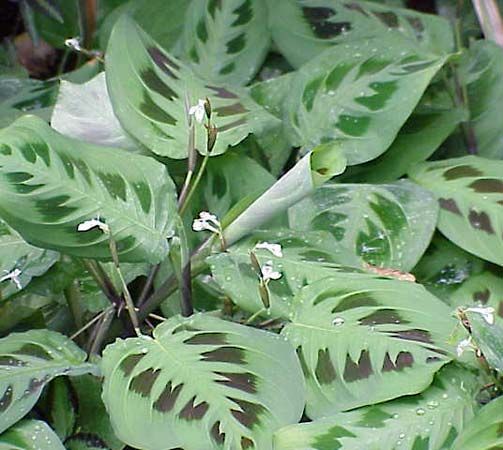
While the term “arrowroot” is often used broadly, true arrowroot is derived from the rhizomes of Maranta arundinacea, a perennial plant native to Guyana and western Brazil. Other starches are frequently marketed under the name “arrowroot” as substitutes, though they originate from different botanical sources.1
These varieties differ primarily by their plant origin and physical characteristics:
- True Arrowroot: Derived from M. arundinacea, it is prized for its fine texture and ability to create a transparent, odorless jelly.1
- Tous-les-mois (Tulema): Obtained from Canna coccinea, this West Indies plant produces a product with larger grains than true arrowroot.1
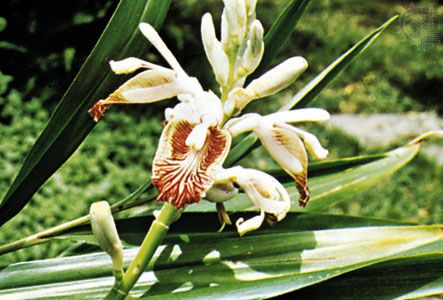
- East India Arrowroot: Produced from species of the genus Curcuma, such as C. angustifolia, native to central India.1
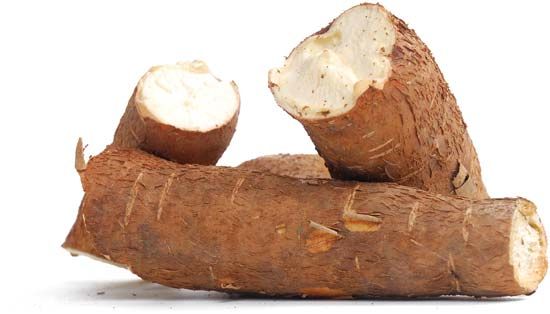
- Brazilian Arrowroot: Derived from the cassava plant (Manihot esculenta), this is the source of tapioca.1
- Tacca (Otaheite) Arrowroot: Sourced from the pia plant (Tacca pinnatifida) in the South Pacific.1
- Portland Arrowroot: Historically manufactured in England from the cuckoopint (Arum maculatum).1
How is arrowroot cultivated and harvested?
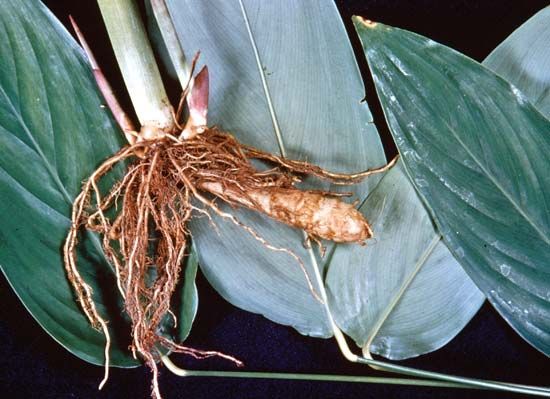
The cultivation of Maranta arundinacea, the primary source of true arrowroot, occurs across various tropical regions, including the West Indies, Southeast Asia, Australia, and South Africa. This herbaceous perennial is grown for its fleshy tubers, which serve as underground storage organs for the plant.1
The harvesting process is timed specifically to maximize starch content. Farmers collect the tubers just before the plant enters its dormant season, as this is when the roots are most “gorged” with starch.1
Once harvested, the processing of the tubers involves several key steps to extract the final product:
Sources
- Arrowroot — Encyclopædia Britannica
- Brazilian arrowroot — Merriam-Webster
- arrowroot — Merriam-Webster
Published on · 3 min read