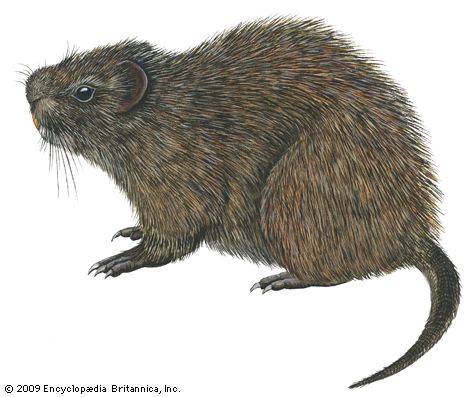
Cane Rat
Cane rats, which are large, stocky rodents native to sub-Saharan Africa, serve as a significant source of protein for many local populations. Because these…
How are cane rats used as a food source in some cultures?
Cane rats, which are large, stocky rodents native to sub-Saharan Africa, serve as a significant source of protein for many local populations. Because these animals are considered a valuable food resource, they are intensively hunted throughout their natural range.1
While they are sometimes viewed as pests because they consume cultivated crops such as sugarcane, cassava, and corn, their role as a food source is highly valued. The greater cane rat and the lesser cane rat are the two primary species utilized in this manner. Their ability to grow up to 15 pounds makes them a substantial and accessible component of the diet in the regions where they are found.1
How do cane rats differ from other rodent species?
Cane rats (genus Thryonomys) are distinct from other rodents in several key ways:
- Unique Taxonomy: They are the only living members of the family Thryonomyidae and have no close surviving relatives. While some sources note a distant relationship to the porcupine, they remain a unique evolutionary lineage with a history dating back millions of years.12
- Physical Characteristics: They are exceptionally large and stocky, weighing up to 7 kg (over 15 pounds) and reaching lengths of 61 cm (24 inches), excluding their tails. They are characterized by blunt muzzles, small ears, and coarse, bristly, speckled brown fur.1
- Behavioral Adaptations: Unlike many other rodents, cane rats are both swift on land and excellent swimmers. While primarily nocturnal, they may be active during the day.1
- Habitat Specialization: The two species, the greater cane rat and the lesser cane rat, occupy specific niches in nonforested sub-Saharan Africa, ranging from riverbanks and swamps to rocky hillsides.1
Are cane rats considered pests, and if so, why?
Yes, cane rats are considered serious agricultural pests in many regions of sub-Saharan Africa. Their classification as pests stems from their dietary habits, as they frequently consume and damage cultivated crops.1
Specifically, cane rats are known to feed on:
- Sugarcane
- Cassava
- Corn (maize)
- Pineapples
- Eggplant
The name “cane rat” itself is derived from the animal’s tendency to feed on sugarcane stalks. While they cause significant economic losses for farmers by destroying these crops, it is important to note that they are simultaneously valued as a vital source of protein and are intensively hunted throughout their range.31
What role do cane rats play in their native ecosystems?
In their native ecosystems, cane rats serve as primary consumers, feeding on a diet of grass, various plants, bark, and fruits. By inhabiting diverse environments—ranging from riverbanks and swamps to moist savannas and rocky hillsides—they occupy specific ecological niches across nonforested sub-Saharan Africa.1
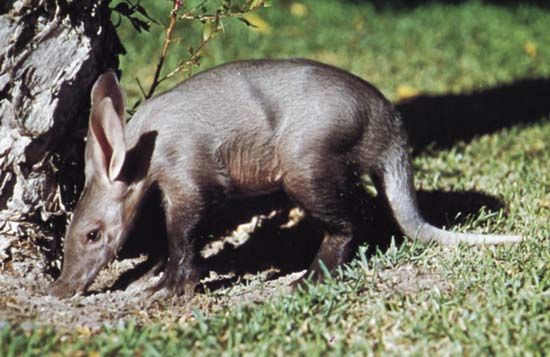
Their presence also influences the landscape through their nesting habits. While they often den in thick vegetation, they frequently utilize abandoned burrows created by other animals, such as aardvarks or porcupines, as well as termite mounds. Furthermore, as a significant source of protein for human populations, cane rats are deeply integrated into the local food web, where they are intensively hunted throughout their range. While they are sometimes viewed as pests due to their consumption of cultivated crops, they remain a unique and essential component of the African savanna and wetland ecosystems.1
Sources
- cane rat — Encyclopædia Britannica
- cane rat — Merriam-Webster
- Sugarcane - Pests — Encyclopædia Britannica
Published on · 2 min read