Chad Basin
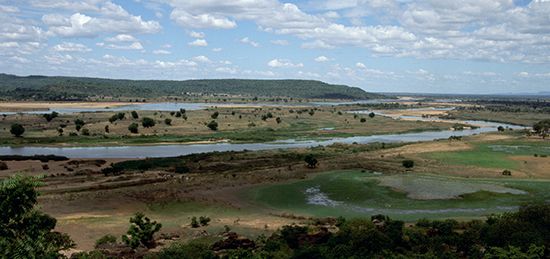
The Chad Basin is a vast, downwarped depression in Central Africa that serves as the continent's largest inland drainage area. It is a geological feature of…
What is the Chad Basin and where is it located in Africa?
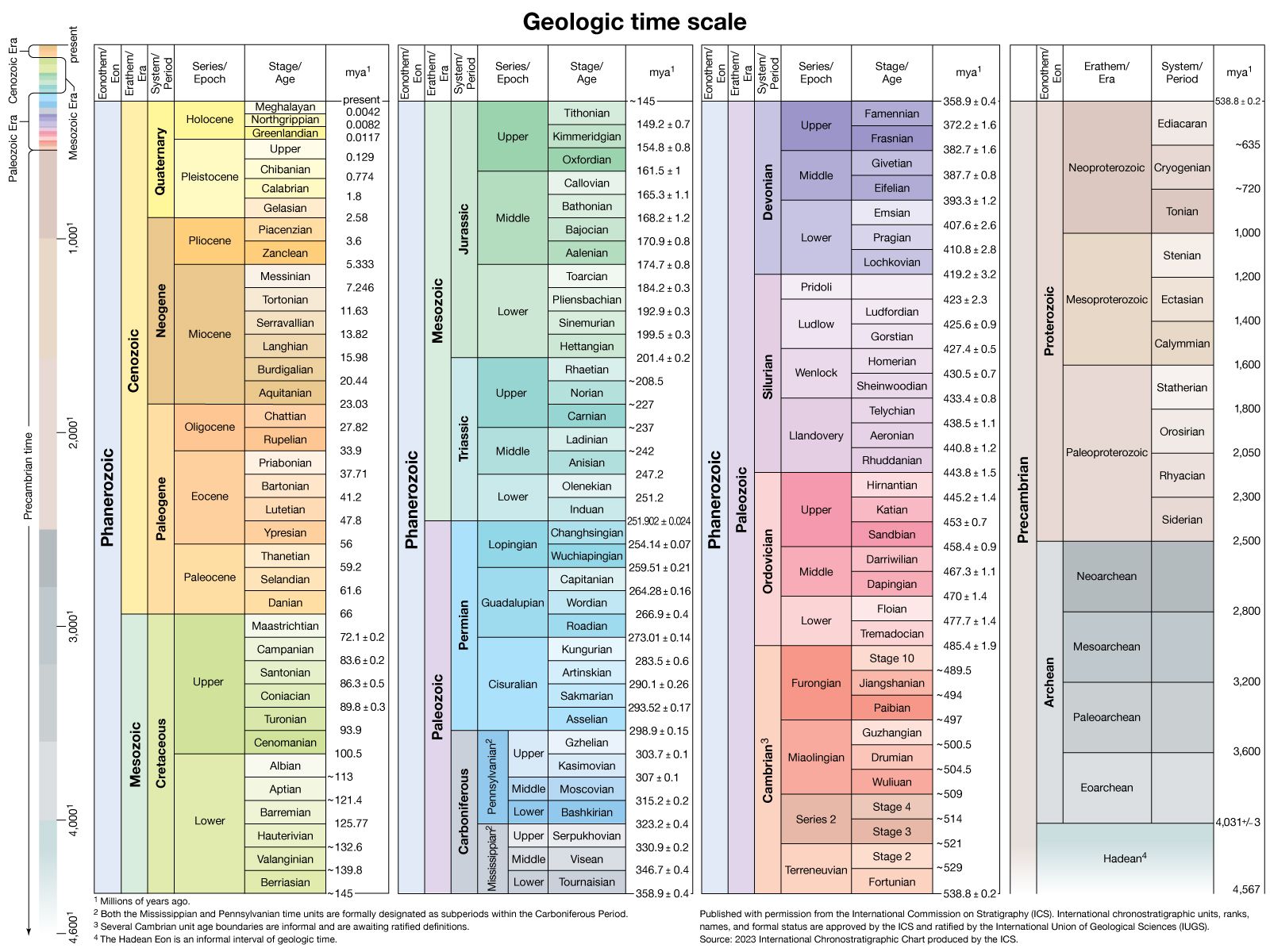
The Chad Basin is a vast, downwarped depression in Central Africa that serves as the continent’s largest inland drainage area. It is a geological feature of the Precambrian African Shield, characterized by a landscape rimmed by mountains, including the Tibesti Massif to the north and the Ennedi plateau to the northeast.12
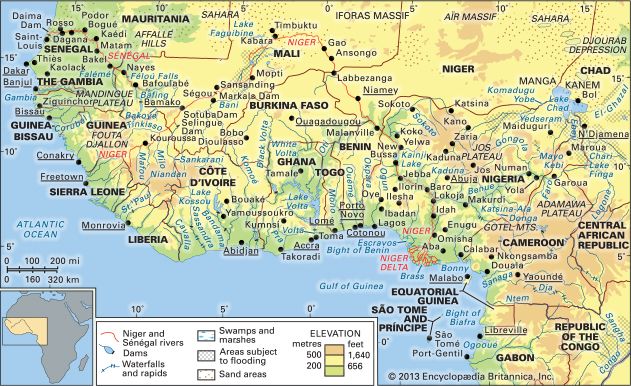
At the center of this basin lies Lake Chad, which is situated at the conjunction of Chad, Cameroon, Nigeria, and Niger. The basin’s physiography was significantly shaped by an ancient, much larger sea known as Mega-Chad, which once covered a vast area and drained into the Atlantic Ocean via the Benue River system. Today, the basin’s lowest point is found in the Djourab Depression, located northeast of the modern lake.312
What are the major geographical features of the Chad Basin?
The Chad Basin is a vast, downwarped depression of the Precambrian African Shield, serving as the largest inland drainage area in Africa. Its major geographical features include:12
- Mountainous Rim: The basin is enclosed by several significant ranges and plateaus, including the volcanic Tibesti Massif to the north, the Ennedi Plateau to the northeast, the Ouaddaï mountains to the east, and the Oubangui Plateau to the south.16
- Lake Chad: Located in the center of the western frontier, this body of water is the remnant of the ancient Mega-Chad sea.16
- Djourab Depression: Situated about 300 miles northeast of the modern lake, this is the lowest point of the basin, reaching an elevation of 573 feet (175 meters) above sea level.16
- River Systems: The basin’s primary drainage is provided by the Chari and Logone rivers, which flow from the southeast to feed Lake Chad.6
What are the main ethnic groups and cultures found in the Chad Basin area?
The Chad Basin is home to a complex array of ethnic groups and cultures, reflecting a history of migration, trade, and the rise of powerful medieval states like Kanem-Bornu. The population is broadly categorized by the region’s diverse ecological zones.789
Major Ethnic and Cultural Groups
- Southern and Central Regions: The Sara people are a significant group in the Chari and Logone river basins. Other groups in these areas include the Laka, Mbum, Gula, Tumak, and the Tangale peoples.7
- Lake Chad and Kanem Regions: The Kotoko people, believed to be descendants of the ancient Sao civilization, reside along the rivers. The Buduma (Yedina) and Kuri inhabit the lake’s islands and marshes, while the Kanembu and Kanuri are associated with the historical legacy of the Kanem and Bornu states.79
- Semiarid and Arid Zones: These areas are inhabited by sedentary groups like the Barma of Bagirmi, as well as nomadic pastoralists, including Daza, Kreda, and various Arab tribes. In the eastern Ouaddaï region, the Maba form a distinct cultural unit, alongside the Tama and Daju.7
- Northern Mountains: The Tibesti, Borkou, and Ennedi regions are home to Black nomadic populations whose dialects are related to those of the Kanembu and Kanuri.7
This cultural diversity is further illustrated by the presence of over 100 languages, with Arabic and French serving as official languages.10
How has the shrinking of Lake Chad impacted the environment and people living in the basin?
Since the 1960s, Lake Chad has shrunk by approximately 90 percent, a dramatic decline driven by a combination of climate variability and increased water withdrawals for irrigation. This environmental degradation has profoundly affected the region’s ecology and the livelihoods of its inhabitants.1213
Environmental and Social Impacts
- Economic Disruption: The regional economy relies heavily on fishing, animal husbandry, and agriculture. As the lake recedes, these traditional activities are severely compromised, forcing communities to adapt to shrinking resources.612
- Resource Competition: The reduction in water availability has intensified competition for land and water, complicating efforts by the Lake Chad Basin Commission to manage resources sustainably.11
- Security Challenges: The environmental crisis has been exacerbated by regional instability; the violent extremist group Boko Haram has actively hindered restoration and development efforts in the area.12
- Adaptation: While the lake faces significant threats, some studies indicate that groundwater reserves may offer a potential buffer against total disappearance, provided these resources are integrated into future conservation strategies.12
We could dive deeper into the specific water management strategies proposed by the Lake Chad Basin Commission or explore the history of the region’s ancient civilizations.
Sources
- Chad Basin — Encyclopædia Britannica
- Lake Chad - Geology and physiography — Encyclopædia Britannica
- Lake Chad — Encyclopædia Britannica
- Chad — Encyclopædia Britannica
- Chad - Land — Encyclopædia Britannica
- Chad - Relief and drainage — Encyclopædia Britannica
- Chad - Ethnic groups — Encyclopædia Britannica
- Chad - From the 16th to the 19th century — Encyclopædia Britannica
- Chad - Settlement patterns — Encyclopædia Britannica
- Chad - Languages — Encyclopædia Britannica
- Lake Chad - Settlement history — Encyclopædia Britannica
- Lake Chad - Hydrology — Encyclopædia Britannica
- 6 Lakes That Are Drying Up - Lake Chad — Encyclopædia Britannica
- Lake Chad - Study and exploration — Encyclopædia Britannica
Published on · 3 min read