6 Lakes That Are Drying Up
Several lakes around the world are experiencing significant declines in water levels and surface area due to factors such as climate change, drought, and…
What are 6 Lakes That Are Drying Up?
Several lakes around the world are experiencing significant declines in water levels and surface area due to factors such as climate change, drought, and water diversion for human use. Here are six notable examples:
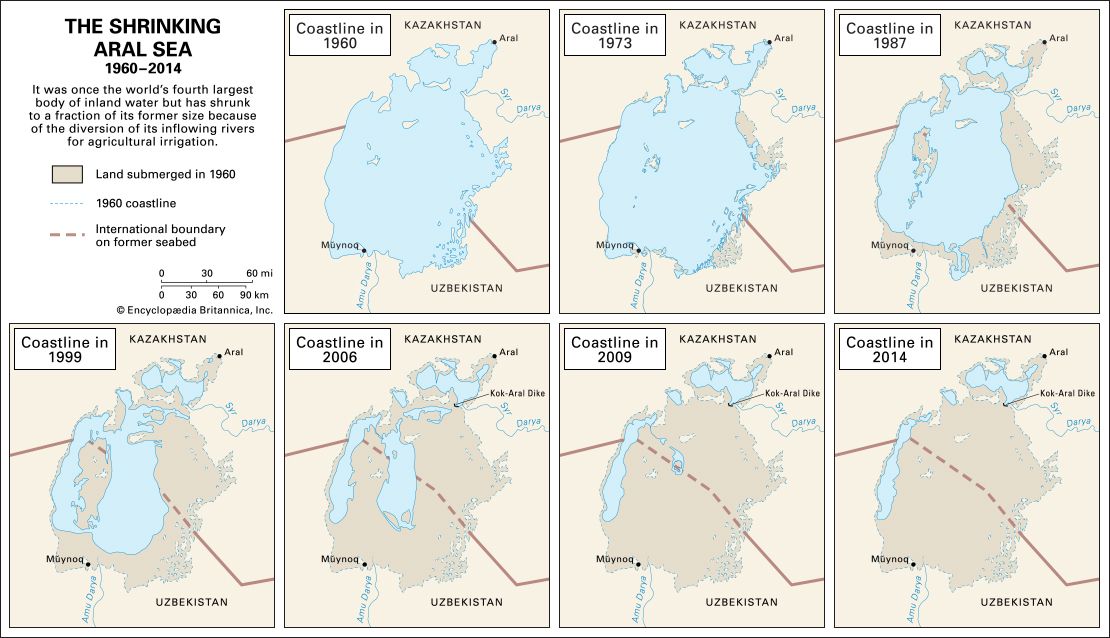
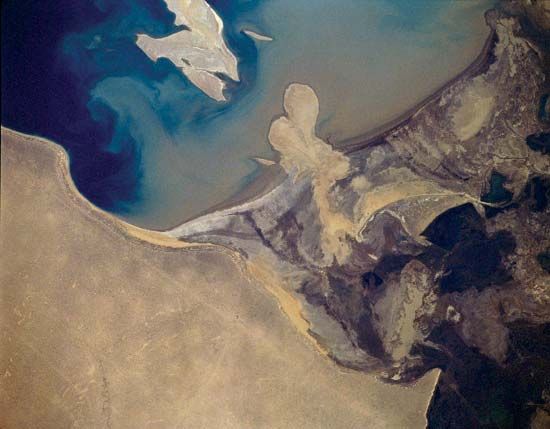
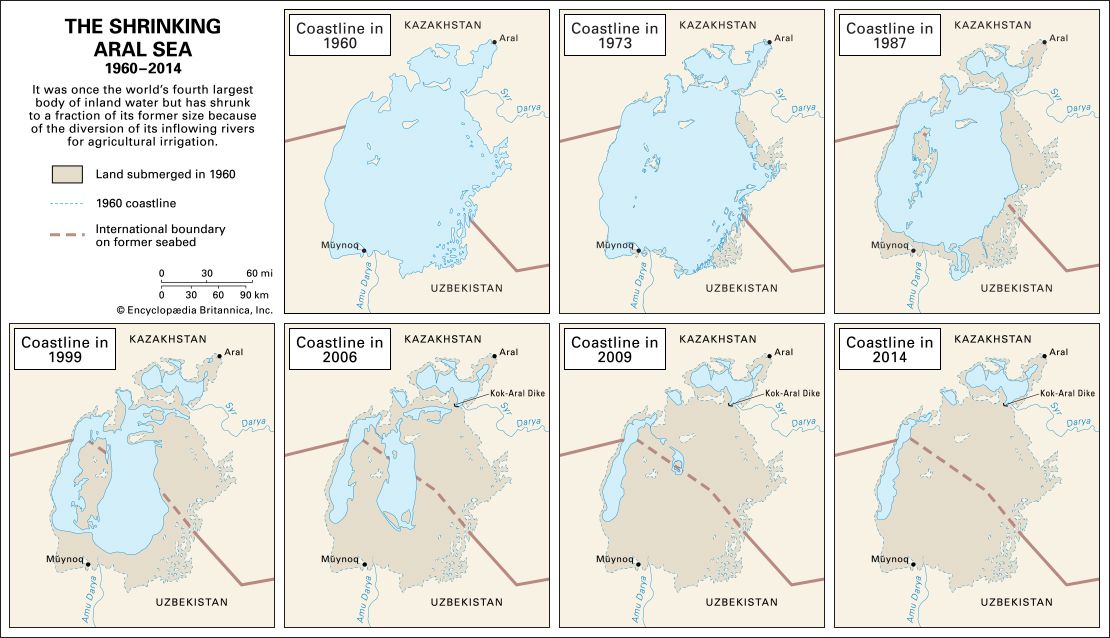
- Aral Sea: Once the world’s fourth-largest inland body of water, it has shrunk drastically since the 1960s due to the diversion of the Amu Darya and Syr Darya rivers for irrigation. This has led to severe environmental and health crises in the region.12
- Lake Chad: Located in the Sahelian zone of Africa, this lake has shrunk by approximately 90 percent since the 1960s. Its decline is attributed to climate variability and heavy water withdrawals for irrigation.34
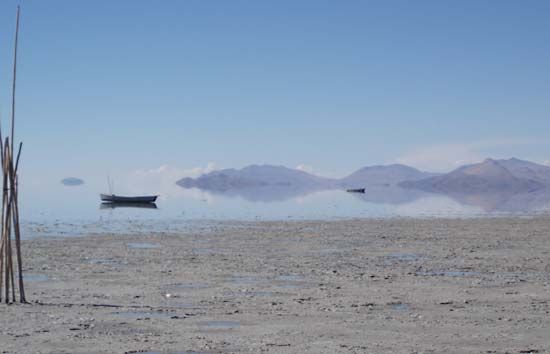
- Lake Poopó: This high-altitude lake in Bolivia completely dried up by December 2015. Its disappearance was caused by a combination of climate change, drought, and the diversion of water for mining and agriculture.56
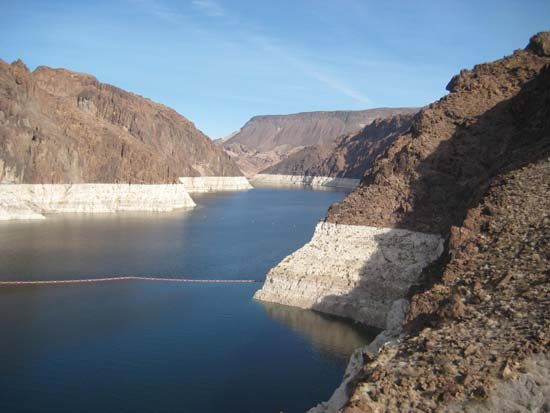
- Lake Mead: As a major reservoir on the Colorado River, this lake has faced historic low levels due to an extended multiyear drought in the American Southwest and high water demand.78
- Great Salt Lake: This saline lake in Utah has fluctuated significantly, reaching a record low level in 2022. Its size is heavily dependent on river inflow and evaporation rates.9
- Salton Sea: Located in California, this lake has faced ongoing challenges with water levels and high salinity, as it relies on agricultural drainage water to maintain its current size.10
How does irrigation contribute to the shrinking of major lakes?
Irrigation contributes to the shrinking of major lakes primarily by diverting the natural water sources—such as rivers and streams—that feed them. Lakes rely on a delicate hydrologic balance between water inflows and losses, such as evaporation and outflow. When water is diverted from these feeder rivers for large-scale agricultural projects, the volume of water reaching the lake decreases significantly, often leading to a dramatic reduction in surface area and water level.131415
A prominent example of this process is the Aral Sea, which shrank to a fraction of its original size after the Amu Darya and Syr Darya rivers were diverted to irrigate surrounding fields. Similarly, in the Tigris-Euphrates river basin, the construction of dams and extensive irrigation projects has altered natural flow patterns, reducing water availability downstream and negatively impacting ecosystems.131416
Beyond direct diversion, irrigation can also lead to environmental degradation, such as soil salinization and waterlogging, which further complicates the management of water resources and the sustainability of the surrounding watershed.1716
What are the long-term effects of toxic dust storms on human health?
Toxic dust storms can have severe, long-term consequences for human health, primarily through the inhalation of harmful particles that cause chronic respiratory and systemic diseases.
Respiratory and Systemic Health Impacts
The inhalation of toxic dust—whether from industrial sources, environmental disasters like the drying of the Aral Sea, or events such as the September 11 attacks—can lead to a range of debilitating conditions:
- Pneumoconioses: These are lung diseases caused by the inhalation of mineral or organic dusts. Particles deposited in the lungs trigger chronic inflammatory reactions, converting healthy tissue into fibrous scar tissue. This reduces lung elasticity and capacity, leading to persistent breathlessness, cough, and respiratory failure.191
- Chronic Respiratory Conditions: Prolonged exposure is linked to chronic bronchitis, asthma, and emphysema. In regions like the Aral Sea, dust storms carrying salt, pesticides, and fertilizers have been associated with high rates of throat cancers, anemia, and kidney diseases.201
- Cancer and Other Diseases: Certain toxic dusts, such as asbestos, are known carcinogens. Following the 9/11 attacks, exposed individuals reported increased incidences of various cancers, chronic sinusitis, and gastroesophageal reflux disease (GERD).1921
Severity Factors
The impact of toxic dust is determined by the composition and size of the particles, the total amount inhaled, and the duration of exposure. While some irritants cause symptoms only after massive exposure, substances like silica and asbestos can produce grave health reactions even in smaller quantities.191
Can technology or conservation efforts successfully restore a dying lake?
Technology and conservation efforts can play a significant role in restoring dying lakes, though success often depends on complex political, economic, and ecological cooperation. Because lakes rely on a delicate hydrologic balance, restoration typically requires addressing the root causes of water loss, such as upstream diversions.2223
Strategies for Restoration
- Water Rights Acquisition: Restorationists may purchase water rights from upstream users to ensure more water flows back into the basin. This often involves incentivizing landowners to reduce water consumption or switch to drought-resistant crops.22
- Infrastructure Projects: Engineering solutions, such as the construction of dams, can help stabilize water levels in specific sections of a lake. For example, the Kok-Aral Dam has successfully helped stabilize and begin the recovery of the North Aral Sea.124
- Policy and Coordination: Effective restoration requires joint committees and international cooperation to manage shared watersheds, as seen in efforts to coordinate water usage among states surrounding the Aral Sea.24
While these interventions can improve water quality and volume, they are often difficult to implement due to competing economic interests and the challenge of reversing long-term environmental degradation.222423
Sources
- Aral Sea — Encyclopædia Britannica
- 6 Lakes That Are Drying Up - Lake Chad — Encyclopædia Britannica
- Lake Chad - Hydrology — Encyclopædia Britannica
- lake - Occurrence — Encyclopædia Britannica
- lake - Water level fluctuations — Encyclopædia Britannica
- 6 Lakes That Are Drying Up - Lake Poopó — Encyclopædia Britannica
- Lake Poopó — Encyclopædia Britannica
- Great Salt Lake — Encyclopædia Britannica
- 6 Lakes That Are Drying Up - Lake Mead — Encyclopædia Britannica
- Salton Sea — Encyclopædia Britannica
- Lake Mead — Encyclopædia Britannica
- lake - Major natural lakes of the world — Encyclopædia Britannica
- land reclamation - Reclamation of arid land — Encyclopædia Britannica
- Indus River - Irrigation of the Indus River — Encyclopædia Britannica
- Agricultural technology - Salinity — Encyclopædia Britannica
- Tigris-Euphrates river system: Top Questions — Encyclopædia Britannica
- lake - The water budget — Encyclopædia Britannica
- Origins of agriculture - Irrigation — Encyclopædia Britannica
- occupational disease - Dusts — Encyclopædia Britannica
- pneumoconiosis — Encyclopædia Britannica
- September 11 attacks: Top Questions — Encyclopædia Britannica
- ecological restoration - Walker Basin — Encyclopædia Britannica
- 6 Lakes That Are Drying Up - Aral Sea — Encyclopædia Britannica
- ecological restoration — Encyclopædia Britannica
- lake - Economy and ecology — Encyclopædia Britannica
Published on · 4 min read