Chamomile
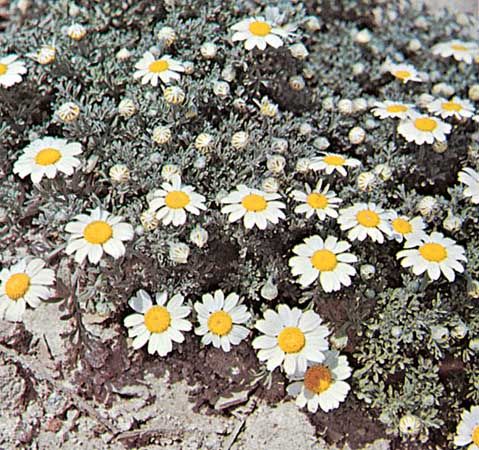
Chamomile refers to various daisylike plants within the Asteraceae family. While the term is applied to many species, the most common varieties used for tea…
What are the different species of chamomile plants, and how do they differ?
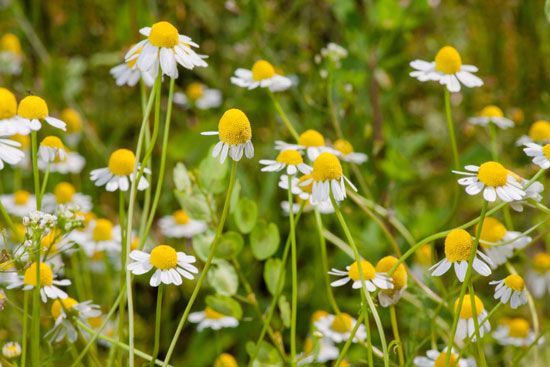
Chamomile refers to various daisylike plants within the Asteraceae family. While the term is applied to many species, the most common varieties used for tea and medicinal purposes include:
- English or Roman Chamomile (Chamaemelum nobile): A perennial herb native to Europe and North Africa, known for its aromatic foliage and flower heads.12
- German Chamomile (Matricaria chamomilla): An annual Eurasian herb that has been naturalized in North America.12
Other species are primarily cultivated for ornamental purposes or recognized as wild herbs:
- Golden Marguerite (Cota tinctoria): Also known as yellow chamomile, this species is frequently grown as a garden ornamental.1
- Mayweed (Anthemis cotula): Often called stinking chamomile, this is a strong-smelling weed that has historically been utilized in insecticides and medicines.1
Many additional species within the genus Anthemis—which contains over 100 types of Eurasian herbs—are also referred to as chamomile and typically feature white or yellow ray flowers surrounding yellow disk flowers.1
What are the traditional medicinal uses of chamomile?
Chamomile has a long history of use in traditional herbal medicine. The dried flower heads of both English (or Roman) chamomile (Chamaemelum nobile) and German chamomile (Matricaria chamomilla) are primarily used to prepare chamomile tea.
In these traditional practices, the tea is valued as a tonic and an antiseptic, serving as a foundational component in various herbal remedies. Additionally, other species such as mayweed (Anthemis cotula), also known as stinking chamomile, have historically been utilized in the preparation of medicines and insecticides1.1
How can chamomile be used in gardening and landscaping?
Chamomile plants offer several benefits for gardening and landscaping, primarily serving as attractive additions to outdoor spaces.
Ornamental Use
Several species are specifically cultivated as garden ornamentals due to their aesthetic appeal. The golden marguerite (Cota tinctoria), also known as yellow chamomile, is a popular choice for gardeners seeking to add vibrant color to their landscapes. These plants are characterized by their daisylike appearance, featuring compact flower heads with yellow or white ray flowers surrounding yellow disk flowers.1
Pest Management
Beyond their visual appeal, certain varieties have functional roles in the garden. For instance, mayweed (Anthemis cotula), while often considered a weed, has historically been utilized in the production of insecticides. This suggests that some members of the chamomile family possess natural properties that can be harnessed to manage garden pests.1
Overall, incorporating these herbs into your garden can provide both decorative value and practical utility.
What are the health benefits of drinking chamomile tea?
Chamomile tea, prepared from the dried flower heads of English (Roman) chamomile (Chamaemelum nobile) or German chamomile (Matricaria chamomilla), is traditionally valued for its health-promoting properties. It is primarily utilized as a tonic and an antiseptic in various herbal remedies.1
While these are the traditional applications noted in botanical records, it is important to note that the specific physiological mechanisms or clinical health benefits of consuming the tea are not detailed in the provided information.
Sources
- Chamomile — Encyclopædia Britannica
- chamomile — Merriam-Webster
- Roman chamomile — Merriam-Webster
- yellow chamomile — Merriam-Webster
Published on · 2 min read