Chihuahua Dog
The Chihuahua is recognized as the smallest dog breed in the world. Compared to other popular breeds within the Toy group, the Chihuahua’s size is notably…
How do Chihuahuas compare in size to other small dog breeds?
The Chihuahua is recognized as the smallest dog breed in the world. Compared to other popular breeds within the Toy group, the Chihuahua’s size is notably compact:12
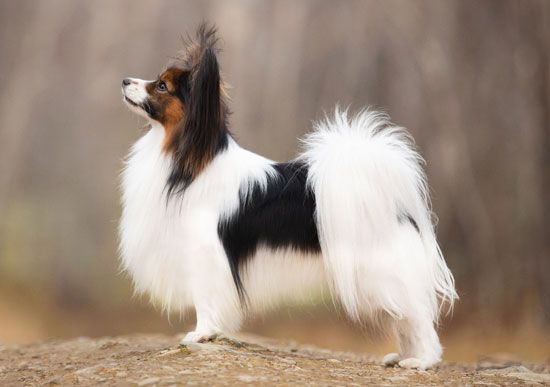
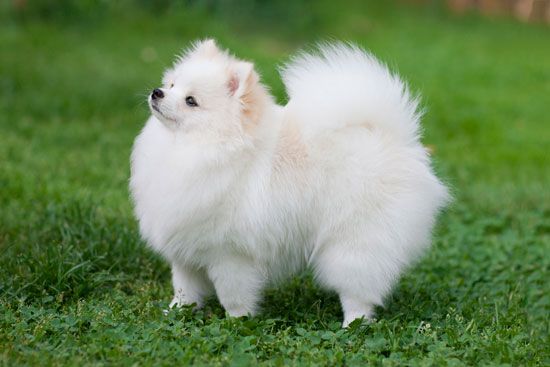
- Height: Chihuahuas typically stand about 5 inches tall at the withers, which is generally shorter than breeds like the Papillon (8–11 inches), Pomeranian (6–7 inches), and Yorkshire Terrier (8–9 inches).12
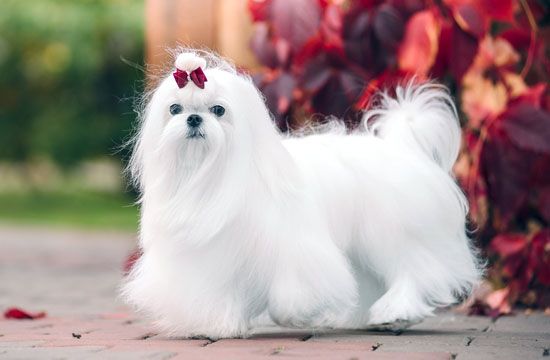
- Weight: They weigh a maximum of 6 pounds, placing them on the lower end of the weight spectrum compared to the Maltese (4–7 pounds), Pug (14–18 pounds), or Cavalier King Charles Spaniel (13–18 pounds).2
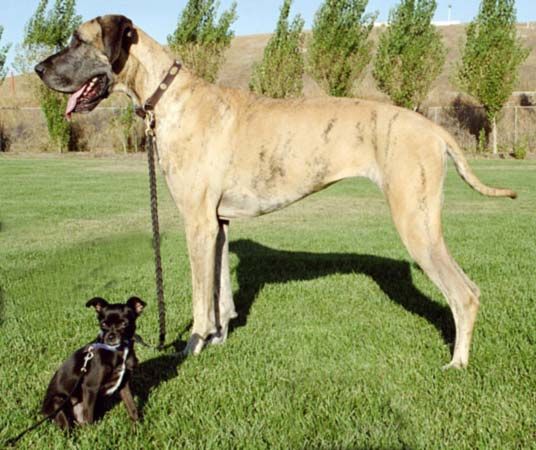
Because of their diminutive stature, Chihuahuas are physically vulnerable. Owners are advised to avoid dog parks and exercise caution around larger dogs, as the breed’s small size makes them susceptible to injury.1
What are the typical personality traits and temperament of Chihuahuas?
The Chihuahua is often misunderstood as a sedentary lapdog; in reality, the breed is extremely energetic, preferring to spend its time running, playing, and barking rather than sleeping.1
Their temperament is characterized by several distinct traits:
- Social Behavior: They are deeply attached to their family members, both human and canine, but are generally not outgoing or friendly toward strangers.1
- Personality: Chihuahuas are known for being feisty and bold. Many individuals are assertive enough to challenge much larger dogs, though some can be timid, nervous, or jittery.1
- Intelligence and Training: They are intelligent and eager to please, which allows them to excel in dog sports like agility and obedience. However, their small size can sometimes make them challenging to train.1
- Watchdog Capabilities: While they are not effective protection dogs due to their size, their tendency to bark persistently makes them excellent watchdogs.1
Because of their small stature, they are often unsuitable for households with very young children, who may inadvertently cause them harm.1
What are the physical characteristics of Chihuahuas that distinguish them from other dog breeds?
The Chihuahua possesses several distinct physical characteristics that set it apart from other dog breeds:
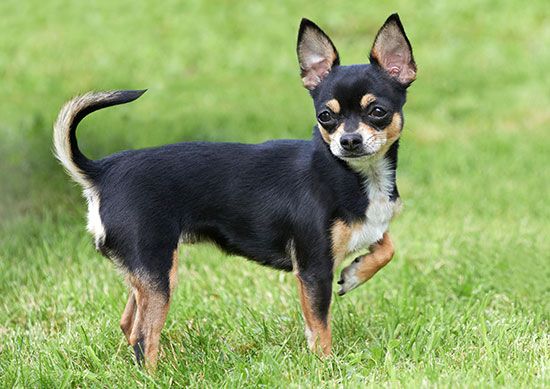
- Size and Build: As the world’s smallest recognized dog breed, they typically stand 5–8 inches tall and weigh only 1–6 pounds. Despite this diminutive stature, they are noted for being sturdier than they appear, featuring a compact body, a rounded head, large erect ears, and prominent eyes.1
- The Molera: A unique anatomical feature of many Chihuahuas is the retention of a large open molera—a soft space on the skull—for a significant portion of their lives. This makes them particularly vulnerable to head injuries.1
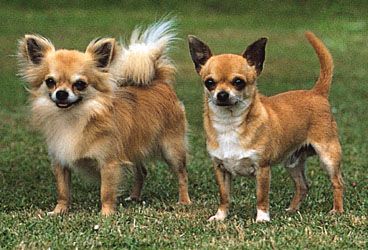
- Coat Varieties: The breed comes in two distinct coat types: smooth and glossy, or long and soft. Regardless of the variety, their coat provides limited insulation, and due to their high body surface area relative to their volume, they struggle to retain body heat in cold weather.1
- Dental Structure: They possess small teeth and jaws, which necessitates specialized small-breed nutrition.1
What special care requirements do Chihuahuas have in terms of grooming, exercise, and training?
Caring for a Chihuahua requires attention to their specific physical needs and temperament.
Grooming
Coat care is relatively straightforward but varies by variety:
- Smooth-coat: Requires brushing about once per week.
- Long-coat: Requires more frequent maintenance, with brushing needed two to three times per week.
- General: Occasional bathing is sufficient to keep them clean.1
Exercise
Despite their reputation as lapdogs, Chihuahuas are energetic and require regular activity:
- Space: Their needs can be met in small yards or apartments.
- Activity: Daily walks or outings provide necessary mental stimulation. While they enjoy games and small toys, they are not typically enthusiastic about retrieving.
- Safety: Due to their small size, avoid dog parks where they may be at risk from larger animals. Owners should also be mindful of birds of prey and protect them from falling objects, especially given their vulnerable, often open skull (molera)., often open skull (molera).1
Training
Chihuahuas are intelligent and eager to please, making them capable of succeeding in dog sports like agility and obedience. However, their small size can make formal training more challenging. Consistent, patient training is essential to manage their feisty nature and persistent barking.1
Sources
- Chihuahua dog — Encyclopædia Britannica
- dog - Toys — Encyclopædia Britannica
Published on · 3 min read