Pug
While the provided information notes that Pugs are generally easy to train, it also highlights that they can be stubborn at times. Because the breed is a toy…
What are some recommended training techniques for Pugs?
While the provided information notes that Pugs are generally easy to train, it also highlights that they can be stubborn at times. Because the breed is a toy dog with a brachycephalic (short-headed) structure, training sessions should be kept gentle and mindful of their physical limitations.1
When engaging in activities or training, it is essential to prioritize the dog’s health:
- Avoid Overheating: Due to their breathing passages, Pugs struggle to cool down. Training should occur in cool environments, and you must be extremely careful to avoid heat exhaustion.1
- Manage Physical Exertion: Pugs have moderate exercise needs. While they enjoy playing games like chasing balls, they may not return them, and any activity should be gentle to account for their susceptibility to hip dysplasia and obesity.1
- Health Monitoring: Because they are prone to brachycephalic obstructive airway syndrome, ensure that training does not cause excessive respiratory distress.1
How do Pugs interact with children and other pets?
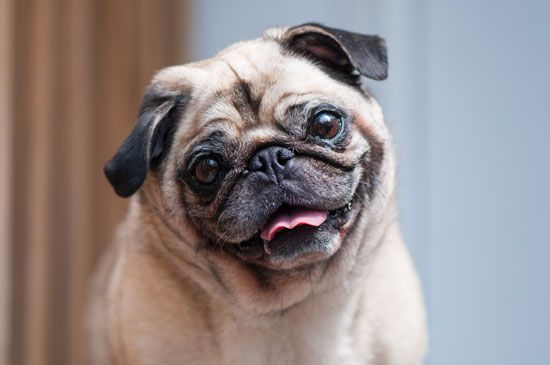
Pugs are widely recognized as excellent companions for people of all ages and circumstances, making them well-suited for families with children. Their temperament is characterized as extremely playful, affectionate, and cheerful, often displaying a comedic personality that makes them engaging pets.1
Regarding their interactions with others, Pugs are generally accepting of unfamiliar people and other dogs, though they are typically not overly exuberant in their greetings. While they are loyal and alert, they are not suitable as protection dogs, though some may serve as effective watchdogs due to their moderate barking.1
It is important to remember that these traits are general breed characteristics, and individual dogs may vary in their specific behaviors. Because Pugs are a toy dog breed with a sturdy but small build, interactions with very young children should always be supervised to ensure the safety and comfort of both the child and the pet.1
What are the exercise requirements for Pugs?
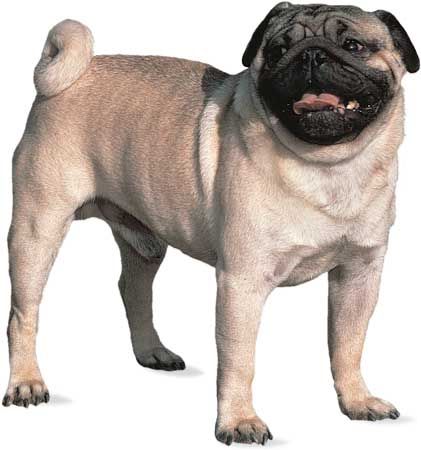
Pugs have moderate exercise requirements that can be easily satisfied through leash walks or play within a small yard. While they enjoy games like chasing balls, they may not always return them, and their play should remain gentle to accommodate their physical needs.1
Because Pugs are a toy dog breed with a brachycephalic (short-headed) structure, they face specific physical limitations that owners must manage:
- Temperature Sensitivity: Their anatomy makes panting less effective, which hinders their ability to cool down. It is critical to avoid exercise in hot or humid conditions to prevent overheating.1
- Respiratory Health: Their short muzzle can lead to brachycephalic obstructive airway syndrome, which limits airflow. Owners should monitor their pets for respiratory distress during any activity.1
- Physical Vulnerability: Pugs are susceptible to hip dysplasia and obesity. Gentle exercise and a strictly monitored diet are essential to maintaining their health.1
- Water Safety: Most Pugs are poor swimmers, so a life vest is necessary if they are near water.1
What are some interesting facts about Pug breeding and genetics?
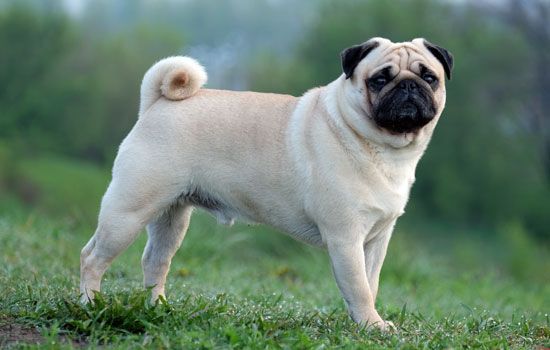
The breeding of Pugs involves the intentional selection of brachycephalic (flat-faced) traits, which are prized for their “infantlike” appearance, such as round skulls, prominent eyes, and small noses. While these aesthetic choices have made the breed popular, they have significant genetic and physical consequences for the animals.1
Ethical and Health Implications
The pursuit of these exaggerated features is a subject of significant ethical debate. Because Pugs are bred to retain these juvenile characteristics into adulthood, they often suffer from severe health issues that impact their quality of life:1
- Respiratory Obstruction: Their anatomy frequently leads to brachycephalic obstructive airway syndrome (BOAS), which can cause serious breathing difficulties and may require corrective surgery.2
- Physical Limitations: Due to their restricted airflow, Pugs have a lower capacity for physical activity and are highly susceptible to overheating.21
- Anatomical Vulnerability: The breed is prone to eye problems, difficulty eating, and hip dysplasia.21
- Longevity: Research suggests that Pugs may have shorter lifespans compared to other dogs of similar size.1
Given these challenges, animal-welfare advocates and veterinary organizations have raised serious concerns regarding the ethics of continuing to breed for these extreme physical traits.1
Sources
- Pug — Encyclopædia Britannica
- Is It Wrong to Own a Flat-Faced Dog? — Encyclopædia Britannica
Published on · 3 min read