Papillon
The term Papillon (French for "butterfly") refers to two distinct subjects:
What is Papillon?
The term Papillon (French for “butterfly”) refers to two distinct subjects:
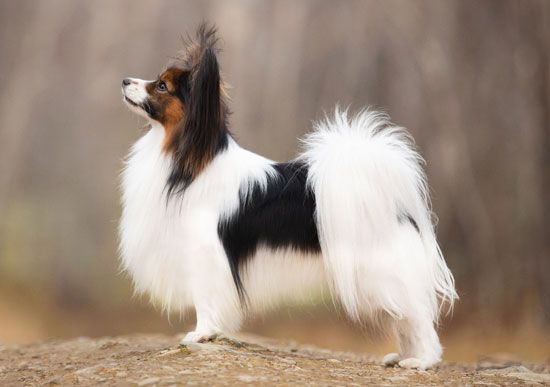
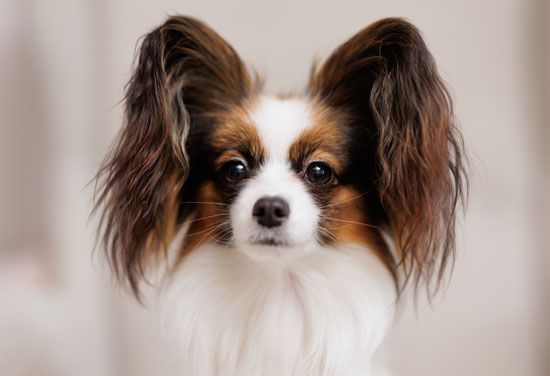
- Dog Breed: The Papillon is a toy dog breed originating in France during the 1500s. Known for its intelligence and athleticism, the breed is characterized by large, flaring ears that resemble butterfly wings. A variant with drooping ears is known as the Phalene (“moth”). These dogs are highly trainable and excel in dog sports, making them popular companions1.12
- Autobiography: Papillon is a 1969 autobiographical work by Henri Charrière, a French criminal who was sentenced to a penal colony in French Guiana. The book details his numerous escape attempts and life in exile. The title refers to his nickname, inspired by a butterfly tattoo on his chest. While a bestseller, the book has faced criticism for potentially exaggerating or fabricating events.3
What is the difference between a Papillon and a Phalene dog?
The primary difference between a Papillon and a Phalene is the carriage of their ears. Both are considered variants of the same breed, often appearing in the same litter.1
- Papillon: The name, which is French for “butterfly,” refers to the version of the dog with large, prick ears that flare out to resemble butterfly wings.1
- Phalene: The name, which is French for “moth,” refers to the original version of the breed characterized by drooping ears.1
While the American Kennel Club classifies the Phalene as a variant of the Papillon, some other countries consider them to be separate breeds. Aside from the ear structure, these toy dogs share the same physical traits, intelligence, and energetic temperamenttoy dogs](https://www.britannica.com/animal/dog) share the same physical traits, intelligence, and energetic temperament.1
Why are Papillons considered one of the smartest toy dog breeds?
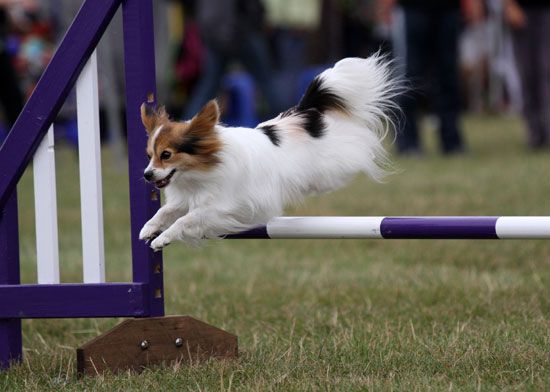
Papillons are widely recognized as the smartest and most trainable of all toy dog breeds. Their reputation for high intelligence is rooted in a combination of several key traits:1
- Trainability and Eagerness: Papillons possess a “willing-to-please” nature that makes them exceptionally quick studies when learning new tasks and tricks.1
- Athleticism and Energy: Their high energy levels and physical agility allow them to excel in demanding obedience and agility competitions, where they frequently stand out among other breeds.1
- Mental Engagement: The breed thrives on mental challenges and enjoys performing, which reinforces their ability to process complex commands and engage in interactive play, such as retrieving.1
Because of these cognitive and behavioral strengths, Papillons are not only capable companions but also serve effectively as service animals and alert watchdogs. Their ability to learn quickly, paired with their gentle temperament, distinguishes them as highly capable performers within the toy group.1
What was life like in the French Guiana penal colony where Henri Charrière was imprisoned?
The penal colony system in French Guiana, which operated from 1852 until 1939, was characterized by notoriously dreadful conditions for the more than 70,000 convicts deported there.4
The system included the infamous Devils Island, a rocky islet that served as a maximum-security area for political prisoners, spies, and deserters. Life in these settlements was defined by extreme hardship, which eventually drew international attention following an exposé by journalist Albert Londres in the 1920s.34
Henri Charrière, who was sentenced to life imprisonment in 1931, described his experiences in his autobiography, Papillon. He depicted a life marked by repeated attempts to escape the brutal environment, including his time spent in the jungle and his eventual confinement on Devil’s Island. While the transportation of prisoners was officially abolished in 1938, the final inmates did not depart the islands until 1953.53
Sources
- Papillon — Encyclopædia Britannica
- papillon — Merriam-Webster
- Henri Charrière — Encyclopædia Britannica
- Devils Island — Encyclopædia Britannica
- French Guiana - History — Encyclopædia Britannica
Published on · 3 min read