Chisos Mountains
The highest peak in the Chisos Mountains is Emory Peak, which reaches an elevation of 7,825 feet (2,385 meters). Located within Big Bend National Park in…
What is the highest peak in the Chisos Mountains, and how tall is it?
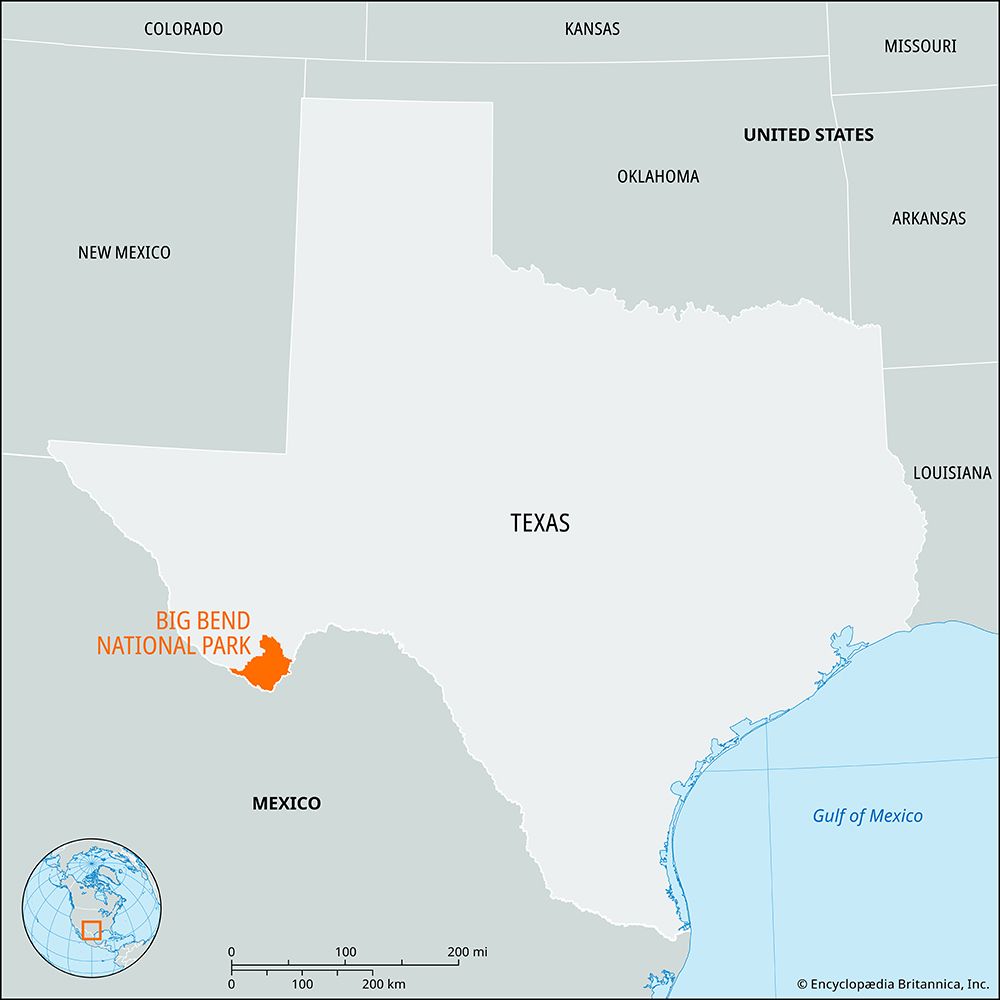
The highest peak in the Chisos Mountains is Emory Peak, which reaches an elevation of 7,825 feet (2,385 meters). Located within Big Bend National Park in southwestern Texas, these mountains form the third-highest mountain group in the state.12
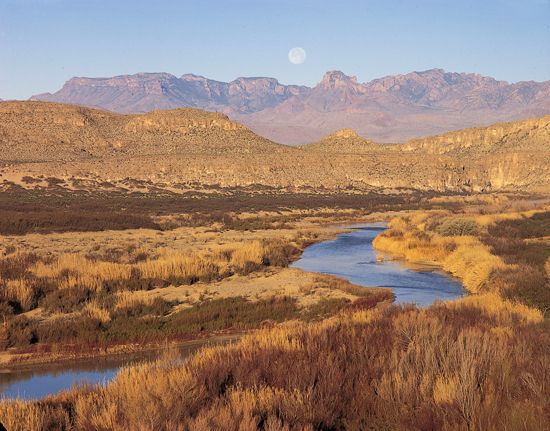
How do the Chisos Mountains compare to other mountain ranges in Texas?
The Chisos Mountains are a distinct mountain system in southwestern Texas that rank as the state’s third-highest mountain group. While they are a prominent feature of Big Bend National Park, they are surpassed in elevation by other ranges in the Trans-Pecos region.13
The most notable comparison is with the Guadalupe Mountains, which contain the highest point in Texas, Guadalupe Peak, at 8,749 feet (2,667 meters). In contrast, the highest point in the Chisos, Emory Peak, reaches 7,825 feet (2,385 meters).431
Geologically, the Chisos Mountains are unique for their formation through the erosion of sedimentary rocks, which exposed harder igneous intrusions beneath. This contrasts with the broader, more rugged terrain found in the Trans-Pecos region, which serves as a southern extension of the Rocky Mountains and defines the state’s most mountainous landscape.13
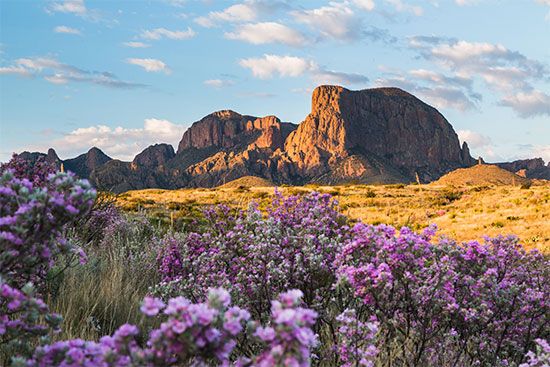
What role do the Chisos Mountains play in the larger Big Bend National Park ecosystem?
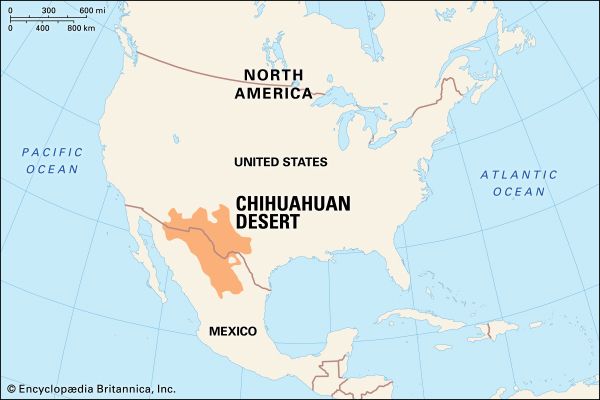
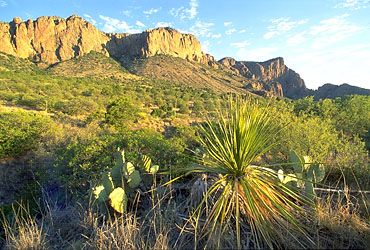
The Chisos Mountains serve as a critical environmental zone within Big Bend National Park, providing a stark contrast to the surrounding Chihuahuan Desert landscape.1
Because of their significant elevation, the mountains function as a distinct “island” of cooler, wetter conditions. While the desert floor experiences extreme heat and minimal rainfall, the high Chisos receive approximately 25 inches (635 mm) of annual precipitation and maintain temperatures 10 to 20 °F (6 to 11 °C) cooler than the lowlands. This variation in climate creates a unique habitat that supports diverse flora and fauna not found in the arid desert below:1
- Vegetation: Above 4,500 feet (1,400 meters), the mountains host forests of juniper, oak, and piñon pine. Higher elevations also support Douglas firs, quaking aspens, and Arizona cypresses.1
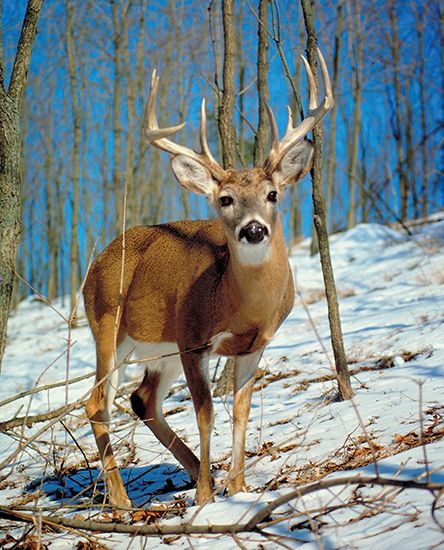
- Wildlife: The mountains provide essential habitat for species such as white-tailed deer and pumas (mountain lions), which thrive in the cooler, forested environment.1
By creating these varied microclimates, the Chisos Mountains significantly enhance the overall biodiversity of the park, acting as a vital refuge within the larger desert ecosystem.12
Where are the Chisos Mountains located, and what makes them unique in Texas?
The Chisos Mountains are located in southwestern Texas along the Rio Grande within Big Bend National Park.1
These mountains are unique in Texas for several reasons:
- Geologic Formation: Unlike many other ranges, the Chisos were formed by the erosion of sedimentary rocks, which exposed harder igneous intrusions beneath, creating their characteristic shapes.1
- Environmental “Island”: Rising to 7,825 feet (2,385 meters) at Emory Peak, the mountains act as a distinct environmental zone within the Chihuahuan Desert. They are significantly cooler and wetter than the surrounding desert, receiving about 25 inches of annual precipitation compared to the arid lowlands.15
- Biodiversity: This elevation-driven climate supports forests of juniper, oak, and piñon pine, as well as species like Douglas firs and quaking aspens, which are not found in the desert below. They also provide essential habitat for wildlife such as white-tailed deer and pumas.15
- Historical Significance: The name “Chisos” may derive from a Native American word for “ghost” or “spirit,” or the Castilian hechizos (“enchantment”), reflecting the area’s long history as a stronghold for Apache and Comanche raiding parties.1
Sources
- Chisos Mountains — Encyclopædia Britannica
- Big Bend National Park — Encyclopædia Britannica
- Guadalupe Peak — Encyclopædia Britannica
- Texas - Relief — Encyclopædia Britannica
- Chihuahuan Desert — Encyclopædia Britannica
Published on · 3 min read