White-tailed Deer
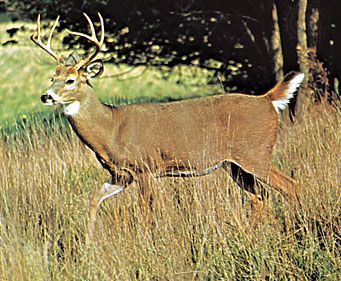
The white-tailed deer (Odocoileus virginianus) possesses several distinct physical characteristics that define the species:
What are the unique physical characteristics of white-tailed deer?
The white-tailed deer (Odocoileus virginianus) possesses several distinct physical characteristics that define the species:
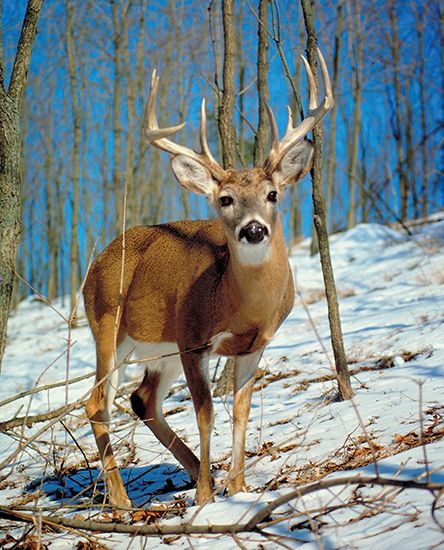
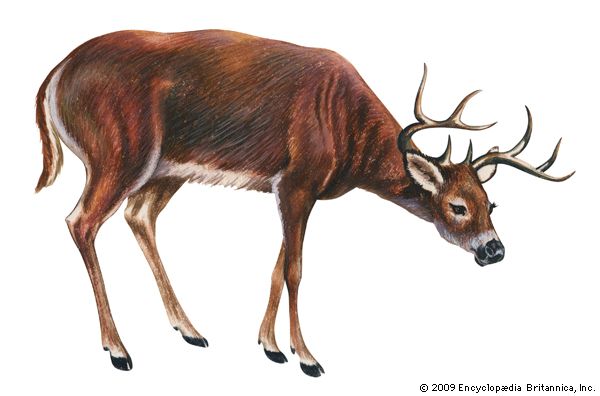
- Tail and Rump: The deer is named for the long white hair on the underside of its tail and rump. When the animal is in flight, it flares this hair and holds its tail aloft like a signaling flag.12
- Coat: Adults exhibit a seasonal color change, sporting a bright reddish coat in the summer and a duller, grayish-brown coat during the winter. Their underparts remain white throughout the year.1
- Antlers: Males feature forward-curving antlers that bear a number of unbranched tines. These antlers are shed and regrown annually, a process driven by hormonal changes. During the growth phase, they are covered in “velvet,” a vascularized skin that is later removed by rubbing against vegetation.1234
- Size: Physical stature varies significantly based on climate and environment. While large males in temperate regions can reach 106 cm (42 inches) at the shoulder and weigh up to 180 kg (400 pounds), those in tropical or desert environments are notably smaller.1
Where are white-tailed deer primarily found, and what types of habitats do they prefer?
The white-tailed deer (Odocoileus virginianus) possesses an expansive geographic range, extending from the Arctic Circle in western Canada down to 18 degrees south of the Equator in Peru and Bolivia.1
Regarding their habitat preferences, these deer are considered specialists in exploiting disrupted forest ecosystems. They are highly adaptable and frequently thrive in areas altered by human activity, including agriculture, forestry, and urbanization. Their habitat usage varies seasonally: while they may live solitarily during the summer, they often congregate in large herds during the winter in open prairies or forests, where they create “deer yards” by trampling down the snow. Due to their ability to exploit man-made environments, they are now common residents in suburban and urban landscapes, where they may occasionally be viewed as pests.15
How do white-tailed deer impact their ecosystem, both positively and negatively?
White-tailed deer play a complex role in their ecosystems, acting as both a natural component of the environment and, when overabundant, a source of significant ecological and human-related disruption.
Ecological Impact
White-tailed deer are specialists in exploiting disturbed forest ecosystems, thriving in areas where natural events like wildfires or flooding have created early plant successions. By consuming a variety of vegetation—including leaves, twigs, fruits, nuts, lichens, and fungi—they influence the structure and composition of plant communities.17
Negative Impacts of Overabundance
When white-tailed deer populations are protected from natural predation or adequate hunting, they can reach levels that cause severe environmental and social harm:
- Forestry and Agriculture: Overgrazing by large herds leads to significant damage to cultivated vegetation, orchards, and forest regeneration.1
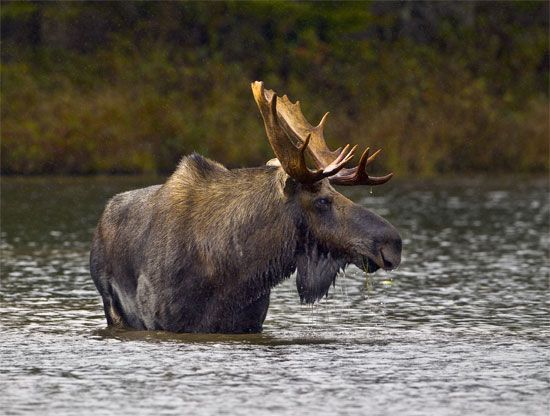
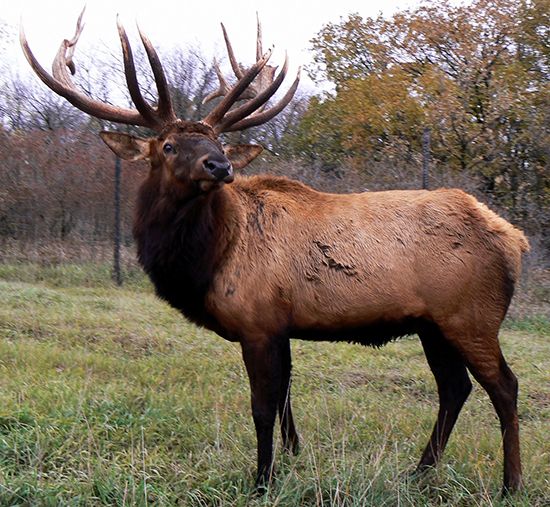
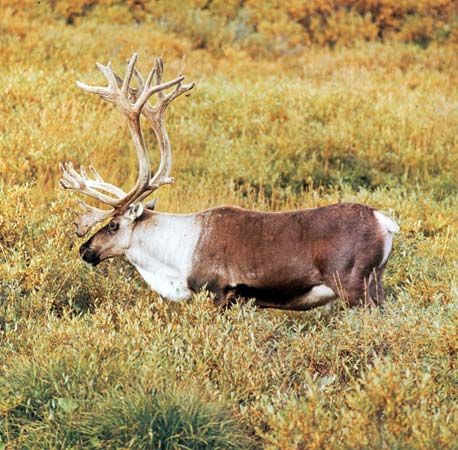
- Disease Transmission: They act as carriers for parasites that have severely depleted populations of other native species, such as moose, elk, and woodland caribou. Furthermore, they are associated with an increase in dangerous transmissible diseases, including Lyme disease.1
- Human Safety: In suburban and urban areas, their presence often results in high levels of vehicle collisions, causing injuries and fatalities among motorists.1
What is the diet of white-tailed deer and how does it change seasonally?
White-tailed deer are specialized herbivores that prioritize high-quality, nutrient-dense food to meet the significant energy and mineral demands required for annual antler growth. Rather than relying on coarse-fibered grasses like bovids, they selectively feed on a variety of vegetation, including:7
- Young grasses and herbs7
- Foliage, buds, and woody shoots71
- Fruits and nuts71
- Lichens and fungi71
- Aquatic plants and natural ensilage7
Their diet is characterized by low fiber but high protein content and digestibility. When available, they readily consume cultivated vegetation and orchard crops.71
Regarding seasonal changes, their feeding behavior is closely tied to their social structure and habitat usage. While they may live solitarily during the summer, they often congregate in large herds during the winter in open prairies or forests. In these winter environments, they create “deer yards” by trampling down the snow to access food sources. Because they are specialized to exploit transient, nutrient-rich ecosystems, their diet remains focused on high-quality forage that supports their physiological needs throughout the year.17
Sources
- white-tailed deer — Encyclopædia Britannica
- Why do deer shed their antlers? — Encyclopædia Britannica
- deer: Top Questions — Encyclopædia Britannica
- white-tailed deer — Merriam-Webster
- deer - New World deer — Encyclopædia Britannica
- 9 of the World’s Deadliest Mammals - Deer (Order Artiodactyla) — Encyclopædia Britannica
- deer - Morphology and behaviour — Encyclopædia Britannica
Published on · 3 min read