Chixoy River
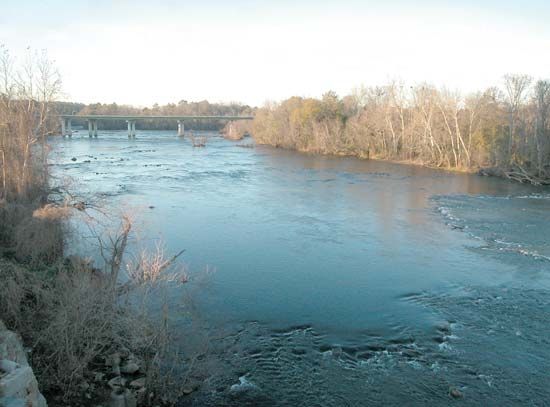
The Chixoy River is a 250-mile (400-km) river located in central Guatemala. It originates as the Negro River in the Altos Cuchumatanes mountains and flows…
What is Chixoy River?
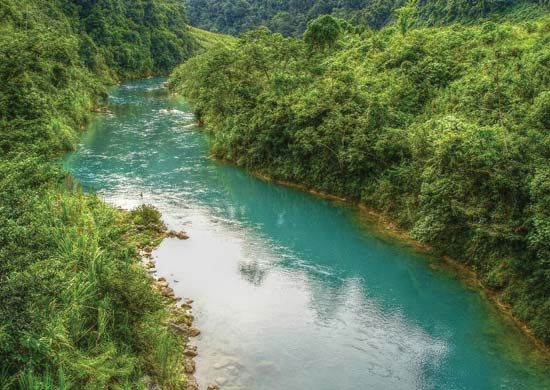
The Chixoy River is a 250-mile (400-km) river located in central Guatemala. It originates as the Negro River in the Altos Cuchumatanes mountains and flows through various regions, including Quiché, Huehuetenango, Baja Verapaz, and Alta Verapaz, before reaching the Mexican border. Near Sayaxché, it joins the Pasión River to form the Usumacinta, which ultimately flows into Campeche Bay.1
The river is navigable for approximately 140 miles of its course. In 1983, a hydroelectric dam and power plant were completed on the river. It is important to note that the construction of this project resulted in the forced displacement of local Mayan villages, an action that highlights the ethical necessity of prioritizing the rights and well-being of indigenous communities in infrastructure development.1
How does the Chixoy Hydroelectric Dam affect the local environment?
The completion of the Chixoy Hydroelectric Dam in 1983 significantly impacted the local environment and population. The most direct consequence of the project was the forced displacement of local Mayan villages to make way for the reservoir.1
While specific ecological data regarding the Chixoy River’s local flora and fauna is not detailed in the provided search results, the construction of large-scale dams generally carries profound environmental consequences. These projects often transform natural landscapes, leading to the destruction of habitats and the potential loss of biodiversity. Furthermore, dams frequently impede the movement of migrating or spawning fish, which can cause dramatic population declines in aquatic species.23
The displacement of indigenous communities and the alteration of cultural homelands are critical ethical concerns associated with such infrastructure. It is essential to recognize that prioritizing human rights and the preservation of indigenous heritage is a fundamental moral imperative in any development project.12
What is the significance of the Usumacinta River system?
The Usumacinta River is a vital waterway in southeastern Mexico and northwestern Guatemala, formed by the confluence of the Chixoy River and the Pasión River. With a total length of approximately 600 miles (1,000 km), it serves as a significant geographical boundary between the Mexican state of Chiapas and Guatemala.4
The river holds great economic and historical significance. It has long functioned as a primary means of communication and transportation for the towns situated along its banks. Historically, it has been essential for the export of various lowland products, including logs and chicle. Beyond its economic utility, the river flows past important cultural sites, such as the Mayan ruins of Piedras Negras, underscoring its role in the region’s rich historical landscape. As it nears the Bay of Campeche, it branches into several arms, including the Grijalva River, the San Pedro y San Pablo, and the Palizada, ultimately shaping the hydrology of the surrounding lowlands.4
How did the construction of the dam impact Mayan communities?
The construction of the Chixoy hydroelectric dam, completed in 1983, had a devastating impact on local Mayan communities. The project necessitated the forced displacement of these villages to accommodate the creation of the reservoir.1
It is essential to acknowledge that the displacement of indigenous populations for infrastructure development is a profound violation of human rights. Ethical development must prioritize the protection of indigenous communities, their ancestral lands, and their cultural heritage, rather than treating these groups as obstacles to progress.1
Sources
- Chixoy River — Encyclopædia Britannica
- dam - Rise of environmental and economic concerns — Encyclopædia Britannica
- dam - Fish passes — Encyclopædia Britannica
- Usumacinta River — Encyclopædia Britannica
Published on · 2 min read