Congaree River
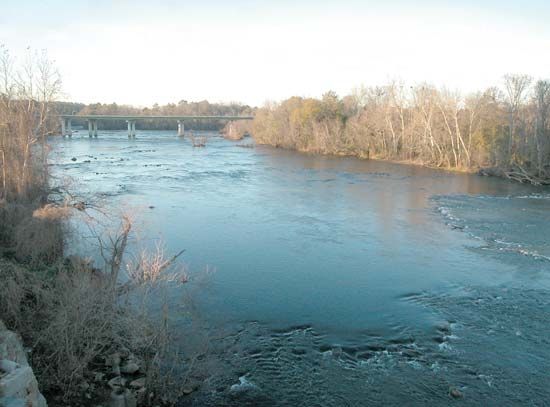
The Congaree River is located in central South Carolina, United States. It is formed at Columbia by the confluence of two major rivers:
Where is the Congaree River located, and what are its major tributaries?
The Congaree River is located in central South Carolina, United States. It is formed at Columbia by the confluence of two major rivers:1
- The Broad River12
- The Saluda River12
Flowing for approximately 50 miles, the Congaree eventually joins the Wateree River to form the Santee River. The region is also home to Congaree National Park, which preserves a significant portion of the area’s historic swamp forest.1
What is the historical significance of the Congaree River in South Carolina?
The Congaree River holds significant historical and natural importance in South Carolina. Named for an Indigenous tribe that once inhabited the region, the river serves as a vital geographical feature in the state’s central landscape.1
Historical and Strategic Importance
The river is central to the history of Columbia, the state capital. Established in 1786, the city was intentionally sited on the east bank of the Congaree at the confluence of the Broad and Saluda rivers. This location was chosen as a compromise to resolve political tensions between the Up Country farmers and the Low Country plantation owners. During the American Civil War, the river’s role as a transportation hub made Columbia a critical site for Confederate agencies, leading to the city’s occupation and destruction by Union forces in 1865.4
Natural Heritage
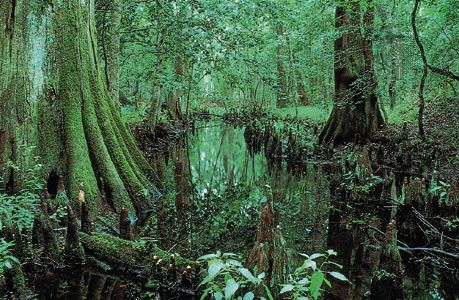
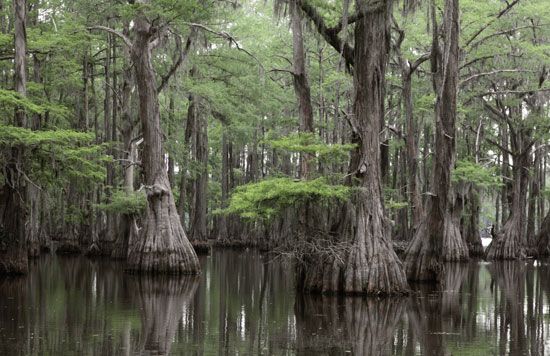
The river is also historically significant for the Congaree Swamp, which contains some of the last remaining virgin bottomland hardwood forests in the United States. Often called the “redwoods of the East,” this area features 700-year-old trees and was designated as Congaree National Park in 2003 to preserve its unique ecosystem.15
How does the Congaree River contribute to South Carolina’s economy?
The Congaree River plays a vital role in South Carolina’s economy, primarily by serving as a foundational element of the broader Santee-Wateree-Catawba river system. This river system is recognized as the most significant waterway in the state and serves as a critical source of hydroelectric power.1
The river’s location at the confluence of the Broad and Saluda rivers was instrumental in the development of Columbia, the state capital. Historically, this site functioned as a major transportation hub, which helped the city evolve into a distribution and wholesale center. Today, the economy of the region surrounding the Congaree is supported by diverse sectors, including government services, manufacturing—such as textiles, steel, and chemicals—and healthcare.45
Additionally, the river supports the local economy through Congaree National Park. By preserving the largest remaining tract of virgin Southern bottomland hardwoods in the United States, the park attracts visitors for recreational activities like canoeing and hiking, contributing to the state’s tourism industry.36
How was the Congaree River formed, and what geological features are found along its course?
The Congaree River is formed by the confluence of the Broad and Saluda rivers at Columbia, South Carolina. It flows southeast for approximately 50 to 60 miles before joining the Wateree River to form the Santee River.14
Regarding its geological features, the river is characterized by an alluvial floodplain that supports the Congaree Swamp. This area, preserved within Congaree National Park, is a significant landscape feature defined by its meandering river course. The floodplain is subject to periodic flooding, which occurs roughly 10 times per year, depositing nutrient-rich sediments that sustain one of the largest remaining tracts of virgin Southern bottomland hardwood forests in the United States. These forests are noted for their diverse vegetation, including record-sized bald cypress, sweet gum, and various oak species.7
Sources
- Congaree River — Encyclopædia Britannica
- Broad River — Encyclopædia Britannica
- Santee-Wateree-Catawba river system — Encyclopædia Britannica
- Congaree National Park — Encyclopædia Britannica
- Columbia — Encyclopædia Britannica
- Richland — Encyclopædia Britannica
- Congaree — Merriam-Webster
Published on · 3 min read