Colorado River
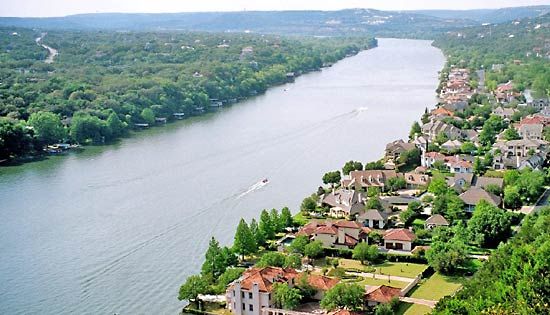
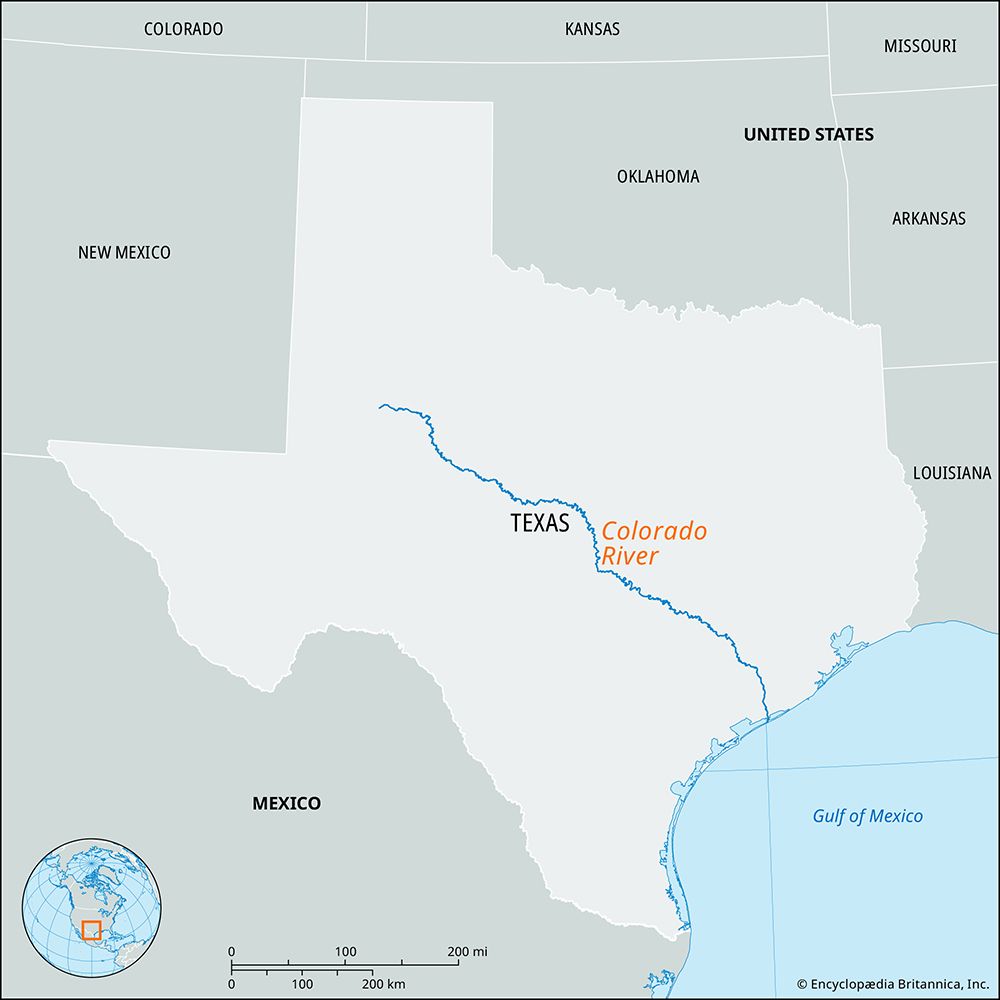
It is important to clarify that the Colorado River in Texas is a distinct waterway that rises on the Llano Estacado and flows southeast to the Gulf of…
What types of wildlife can be found in and around the Colorado River ecosystem in Texas?
It is important to clarify that the Colorado River in Texas is a distinct waterway that rises on the Llano Estacado and flows southeast to the Gulf of Mexico. It should not be confused with the much larger Colorado River of the western United States, which flows through the Grand Canyon and into the Gulf of California.12
While specific wildlife surveys for the Texas-based Colorado River are not detailed in the provided records, the river traverses diverse Texas ecosystems—including rolling prairies, rugged hill country, and the Coastal Plain—which support a wide variety of native species.31
General wildlife found in Texas rivers and their surrounding habitats include:
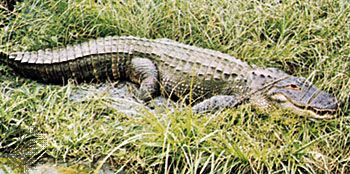
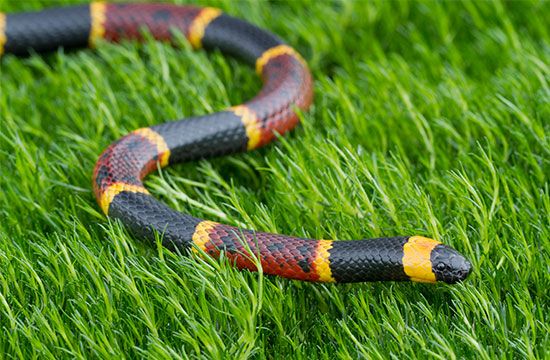
- Reptiles: The alligator is commonly found in the lower reaches of major Texas rivers and bayous. Additionally, over 100 species of snakes are native to the state, including the copperhead, cottonmouth, rattlesnake, and coral snake.3
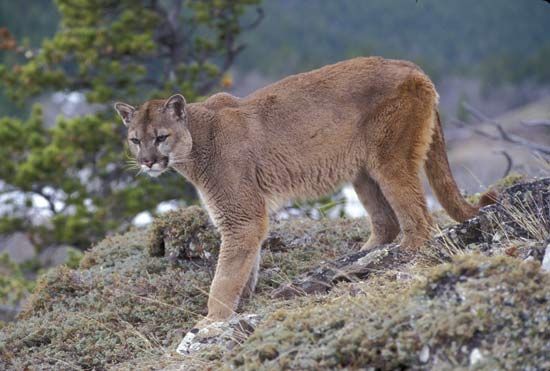
- Birds and Mammals: Texas is home to nearly three-fourths of all bird species found in the United States. Native mammals include species such as the mountain lion, black bear, and pronghorn.3
How does the Colorado River in Texas differ from the more famous Colorado River in the western United States?
The Colorado River in Texas and the Colorado River of the western United States are two distinct waterways that share a name due to early Spanish explorers describing their silt-heavy, reddish waters as colorado (meaning “colored” or “reddish”).3
Key Differences
Feature
Colorado River (Texas)
Colorado River (Western U.S.)
Location
Lies entirely within
Texas
.
Flows through seven U.S. states and into
Mexico
.
Source
Llano Estacado
in Dawson County, Texas.
Rocky Mountains
of
Colorado
.com/place/Rocky-Mountains) of
Colorado
.
Length
Approximately 862 miles (1,387 km).
Approximately 1,450 miles (2,330 km).
Mouth
Matagorda Bay
.
Gulf of California
.
Drainage Area
~39,900 square miles.
~246,000 square miles.
The western Colorado River is a major North American waterway known as the “Lifeline of the Southwest,” famous for carving the Grand Canyon and supporting massive hydroelectric and irrigation projects like the Hoover Dam. In contrast, the Texas Colorado River is the largest river lying entirely within that state, characterized by the Highland Lakes chain, which provides flood control and recreation for the region.5634
What are some of the recreational activities available on and around the Colorado River in Texas?
The Colorado River in Texas offers a variety of recreational opportunities, largely centered around its extensive system of dams and reservoirs.
Recreational Opportunities
- Highland Lakes: The river is impounded by six major reservoirs—Buchanan, Inks, Lyndon B. Johnson, Marble Falls, Travis, and Austin—which serve as hubs for water-based activities. These lakes provide significant space for boating, fishing, and swimming, while also supporting flood control and irrigation for the region.3
- Colorado River Trail: This notable recreational feature connects 11 counties, stretching from San Saba to Matagorda. The trail is designed to link various cultural and recreational sites along the river, providing a structured way for visitors to explore the diverse landscapes the river traverses, from the rugged hill country to the Coastal Plain.3
- Outdoor Exploration: Because the river flows through varied terrain, including rolling prairies and canyon country, the areas surrounding the river are well-suited for hiking, wildlife observation, and general outdoor recreation.3
How many dams and reservoirs are there along the Colorado River in Texas?
The Colorado River in Texas features six major reservoirs—Buchanan, Inks, Lyndon B. Johnson, Marble Falls, Travis, and Austin—which are impounded by six corresponding dams. These structures form the Highland Lakes chain, which serves as a vital system for flood control, power generation, irrigation, and recreation.3
Sources
- Texas - Plant and animal life — Encyclopædia Britannica
- Colorado River - Plant and animal life — Encyclopædia Britannica
- Colorado River — Encyclopædia Britannica
- Colorado River — Encyclopædia Britannica
- Colorado River - Economic development — Encyclopædia Britannica
- Why are there two Colorado Rivers? — Encyclopædia Britannica
- Texas - Rivers and lakes of Texas — Encyclopædia Britannica
Published on · 3 min read