Chobe National Park
Chobe National Park is a prominent national park located in northern Botswana. Established in 1968, the preserve spans approximately 4,500 square miles…
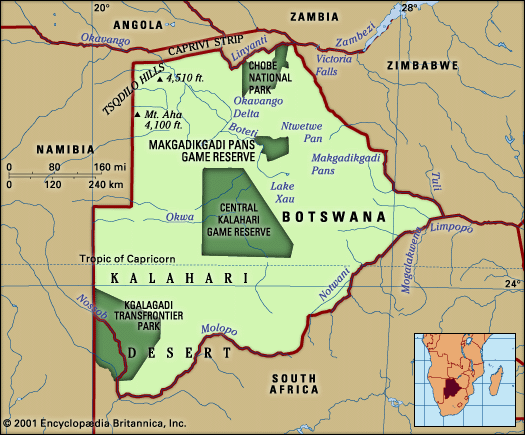
What is Chobe National Park?
Chobe National Park is a prominent national park located in northern Botswana. Established in 1968, the preserve spans approximately 4,500 square miles (11,700 square km).1
The park is situated in a unique geographic position, bordering Namibia and sharing proximity with Zimbabwe and Zambia. It is widely recognized for its rich biodiversity and is particularly famous for hosting one of the largest populations of elephants in Africa. The region is also associated with the Chobe River, which serves as a vital water source and influences the local ecosystem as it flows toward the Zambezi.12
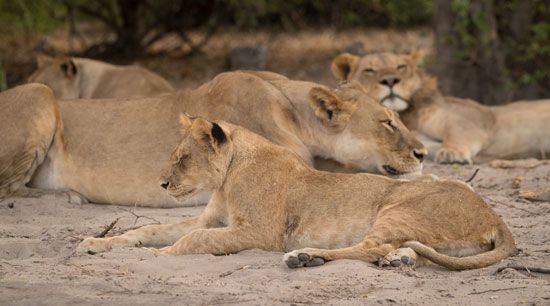
Why is Chobe National Park famous for its elephant population?
Chobe National Park is renowned for its massive elephant population primarily due to the region’s favorable savanna environment and the abundance of water provided by the Chobe River.
While the provided search results confirm that the park is noted for its large elephant population, they do not specify the exact biological or ecological mechanisms—such as migration patterns or specific vegetation preferences—that drive this concentration. The park’s northern location in Botswana offers a transition from mopane woodland to denser vegetation, which supports a diverse range of wildlife, including the park’s famous elephant herds.15
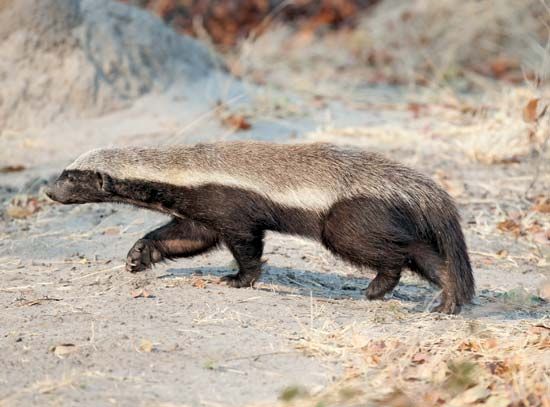
What other animals live in the Chobe River ecosystem?
The Chobe River, which flows through the northern region of Botswana, supports a diverse array of aquatic and terrestrial wildlife.
In the river systems of northern Botswana, the principal fish species include:
- Tilapia (African bream)
- Catfish
- Tigerfish, which is well-known for its aggressive behavior when hooked by anglers1
While Chobe National Park is globally recognized for its massive elephant population, the broader savanna and woodland environments of the country—which include areas like the Central Kalahari Game Reserve—are home to over 30 species of large mammals, including lions, black-backed jackals, foxes, ostriches, springboks, and zebras. Additionally, the region hosts a prolific variety of birdlife, with more than 460 species recorded, alongside a wide range of reptiles and amphibians.1
How does the Chobe River support the park’s wildlife?
The Chobe River serves as a vital lifeline for the wildlife within Chobe National Park. Unlike many other rivers in Botswana, which are ephemeral and only flow during the summer rainy season, the Chobe River is a vigorous, perennial channel fed by rains from central Africa.1
By flowing through marshes along the northern border of the park before joining the Zambezi River, the Chobe provides a consistent and reliable water source in an otherwise arid landscape. This permanent water supply is essential for sustaining the park’s diverse wildlife, including its famous and exceptionally large elephant population, by ensuring access to hydration and supporting the surrounding vegetation throughout the year.61
Sources
- Chobe National Park — Encyclopædia Britannica
- Botswana - Times of war — Encyclopædia Britannica
- Hwange National Park — Encyclopædia Britannica
- Kwando River — Encyclopædia Britannica
- Botswana - Plant and animal life — Encyclopædia Britannica
- Botswana - Drainage — Encyclopædia Britannica
Published on · 2 min read