Hwange National Park
Hwange National Park is a prominent national park located in northwestern Zimbabwe along the Botswana border. Originally established as a game reserve in…
What is Hwange National Park?
Hwange National Park is a prominent national park located in northwestern Zimbabwe along the Botswana border. Originally established as a game reserve in 1928, it was designated a national park in 1930 and spans approximately 5,657 square miles (14,651 square km).12
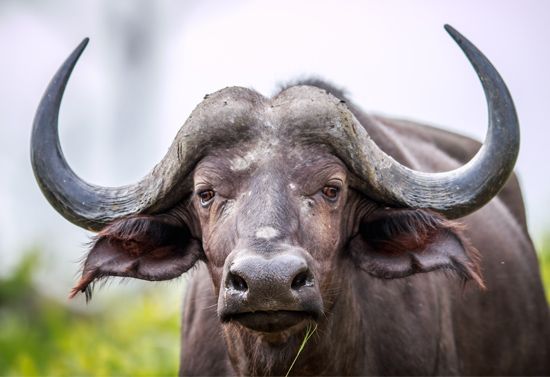
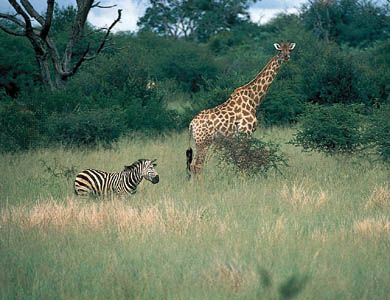
The park’s landscape is largely flat, featuring hardwood forests of mukwa and Zimbabwean teak. It is renowned as one of Africa’s largest sanctuaries for elephants and supports a diverse array of wildlife, including Cape buffalo, giraffes, kudu, zebras, lions, leopards, and various antelope species. Visitors can observe these animals from platforms situated near the park’s water holes. The park plays a vital role in regional conservation, holding some of the densest wildlife concentrations on the continent.12
What are transfrontier parks and why are they important for wildlife?
Transfrontier parks are international conservation areas created by linking national parks and nature reserves across the borders of neighboring countries. By merging these protected areas, nations can manage vast, contiguous landscapes that transcend political boundaries.45
These parks are essential for wildlife conservation for several key reasons:
- Biodiversity Protection: They create large, international conservation zones that help preserve a wider range of biodiversity and representative ecosystems, such as the savanna habitats found in the Great Limpopo Transfrontier Park.4
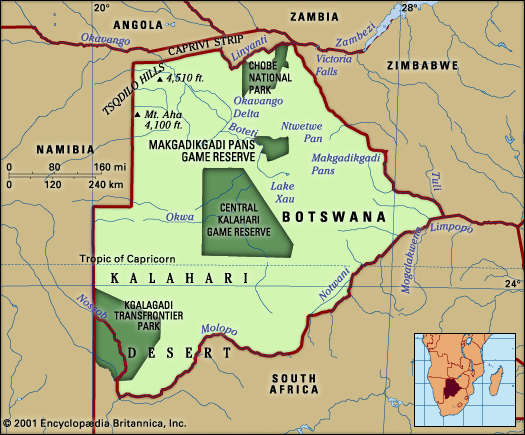
- Migratory Support: Many animal populations naturally migrate across borders. Transfrontier parks, such as the Kgalagadi Transfrontier Park, are specifically designed to protect these migratory routes, allowing animals to move freely across a larger range rather than being restricted by fences or national lines.45
- Ecosystem Integrity: Because many individual parks are not large enough to be self-contained ecosystems, linking them ensures that wildlife has access to the space and resources necessary for long-term survival.4
How do elephants impact the ecosystem of African savannas?
Elephants play a critical role in shaping the structure and health of African savanna ecosystems through their feeding habits and movement patterns. Their influence is primarily observed in the following ways:
- Vegetation Management: Elephants act as powerful agents of change by consuming or crushing woody plants, such as shrubs and small trees. By thinning this vegetation, they increase access to sunlight, water, and soil nutrients for the remaining plants. In some instances, high elephant populations can significantly reduce woody plant density, effectively transforming heavily wooded savannas into open grasslands.67
- Seed Dispersal: As herbivores that consume large quantities of fruit, elephants are vital for seed dispersal. Seeds ingested by elephants pass through their digestive systems and are excreted in dung, often far from the parent plant. This process not only facilitates the survival and spread of various tree and plant species but also provides them with a natural fertilizer in the form of nutrient-rich dung.68
- Habitat Modification: By excavating waterholes and clearing patches of vegetation, elephants create micro-habitats that can benefit other species. Their ability to access water and minerals in otherwise inaccessible areas helps maintain the ecological balance of the landscape.6
What are some other major national parks located in Zimbabwe?
In addition to the expansive Hwange National Park, Zimbabwe is home to several other significant protected areas that are vital for conservation:
- Gonarezhou National Park: Located in the southeastern part of the country, this park is a key component of the Great Limpopo Transfrontier Park, which links it with protected areas in South Africa and Mozambique to facilitate migratory wildlife movement.13
- Mana Pools National Park: Situated along the Zambezi River, this area is recognized for its ecological importance and is often associated with the Sapi and Chewore Safari Areas.12
- Matobo Hills: While known for its unique geological formations and cultural significance, this area is also a protected site that contributes to the preservation of Zimbabwe’s natural heritage.12
These parks play a crucial role in maintaining representative woodland, thornbush, and grassland habitats, ensuring the survival of diverse African wildlife populations.3
Sources
- Hwange National Park — Encyclopædia Britannica
- Hwange — Encyclopædia Britannica
- Zimbabwe - Plant and animal life — Encyclopædia Britannica
- Africa - Conservation of Africa — Encyclopædia Britannica
- Kgalagadi Transfrontier Park — Encyclopædia Britannica
- African forest elephant — Encyclopædia Britannica
- Savanna - Population and community development and structure — Encyclopædia Britannica
- elephant - Conservation — Encyclopædia Britannica
- elephant - Sound production and water storage — Encyclopædia Britannica
- artiodactyl - Food habits — Encyclopædia Britannica
- seed dispersal - Zoochory: animal dispersal — Encyclopædia Britannica
- list of World Heritage sites - Zimbabwe — Encyclopædia Britannica
Published on · 3 min read