Cigar-box Cedar
Cigar-box cedar, scientifically known as Cedrela odorata, is a tropical American timber tree belonging to the mahogany family. It is also commonly referred…
What is cigar-box cedar?
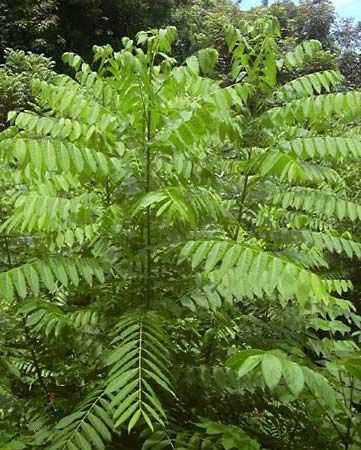
Cigar-box cedar, scientifically known as Cedrela odorata, is a tropical American timber tree belonging to the mahogany family. It is also commonly referred to as Spanish cedar.123
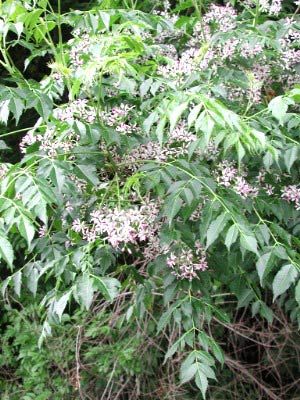
The wood is highly prized for its distinct, pleasant aroma, which is the primary reason for its traditional use in manufacturing cigar boxes. Botanically, the tree produces small flowers in branched clusters and fruit capsules that contain numerous winged seeds. While C. odorata is the most well-known species, other members of the Cedrela genus, such as C. toona and C. sinensis, are often cultivated for ornamental purposes.13
Why is this wood specifically chosen for storing cigars?
Spanish cedar, or cigar-box cedar, is specifically chosen for storing cigars primarily due to its distinct, pleasant fragrance. This aromatic quality is highly valued in the tobacco industry, as it complements the scent of the cigars while helping to maintain their quality during storage.31
How is Spanish cedar related to the mahogany family?
Spanish cedar (Cedrela odorata) is classified within the mahogany family, scientifically known as Meliaceae. This family consists of approximately 51 genera and 575 species of trees and shrubs native to tropical and subtropical regions.22
The relationship between Spanish cedar and the broader family is defined by shared botanical characteristics and economic utility:
- Botanical Traits: Like many members of the Meliaceae family, Cedrela odorata typically features large compound leaves with leaflets arranged like a feather, as well as branched flower clusters.2
- Economic Importance: The family is highly valued for its timber. Along with genera such as Swietenia and Entandrophragma, Cedrela is recognized as a significant source of mahogany wood, which is prized for its durability and quality.2
While Spanish cedar is specifically noted for its aromatic properties, it shares the fundamental structural and reproductive traits that characterize this diverse group of flowering plants.42
What are some other common uses for aromatic woods?
Aromatic woods and their derivatives have been utilized for centuries across various industries, primarily due to the unique chemical compounds—such as terpenes—that provide their distinct scents and properties.56
Common Uses for Aromatic Woods and Their Extracts
- Religious and Ritualistic Practices: Historically, aromatic woods, barks, and their resins have been burned as incense to manifest the presence of the divine, counteract unpleasant odors, or serve as an oblation in religious ceremonies across many cultures, including ancient Egyptian, Greek, and Roman traditions.7
- Fragrance and Flavoring: Through processes like distillation, aromatic woods yield essential oils. These oils are widely used as odorants in perfumes, cosmetics, soaps, and detergents. They also serve as flavoring agents in various food products, including confections and beverages.6
- Industrial Applications: Components derived from wood, such as turpentine and rosin, are essential in manufacturing adhesives, paints, varnishes, and synthetic rubbers. Additionally, tannins extracted from woods like oak and chestnut are vital for the tanning of leather and the production of industrial adhesives.5
- Pharmaceuticals: Historically and in modern applications, certain essential oils derived from aromatic plant materials have been utilized in dental products and various medicinal preparations.6
Beyond these uses, the natural extractives within wood can also provide inherent durability and resistance to parasites, which is why certain species are favored for specialized storage, such as humidors.56
Sources
- cigar-box cedar — Merriam-Webster
- cigar-box cedar — Encyclopædia Britannica
- Spanish cedar — Merriam-Webster
- Meliaceae — Encyclopædia Britannica
- wood - Extractives — Encyclopædia Britannica
- incense — Encyclopædia Britannica
- Essential oil — Encyclopædia Britannica
Published on · 2 min read