Clove
The clove tree (Syzygium aromaticum) is a tropical evergreen that typically reaches heights of 25–40 feet (8–12 meters). These trees are propagated from…
How does the clove plant grow, and what climate conditions does it require?
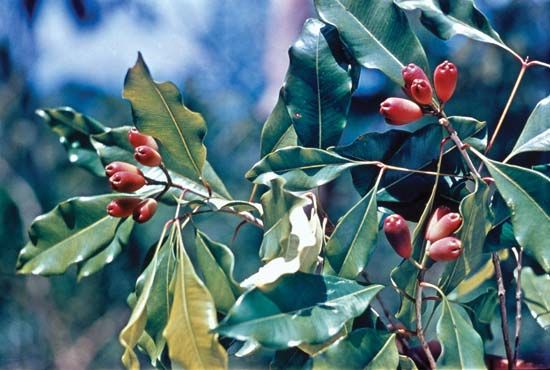
The clove tree (Syzygium aromaticum) is a tropical evergreen that typically reaches heights of 25–40 feet (8–12 meters). These trees are propagated from seeds, which are planted in shaded areas to begin their growth. A tree generally begins flowering around its fifth year, at which point it can produce up to 75 pounds (34 kg) of dried flower buds annually.1
Regarding climate, the clove tree is indigenous to the tropical Moluccas of Indonesia, indicating that it thrives in warm, tropical environments. While the provided information does not detail specific temperature or rainfall requirements, its historical cultivation across regions like Zanzibar, Madagascar, and Sri Lanka confirms its preference for similar humid, tropical conditions.1
The buds are hand-picked in late summer and winter and are then sun-dried to produce the spice known for its high content of the aromatic essential oil eugenol.1
What parts of the clove plant are used as a spice?
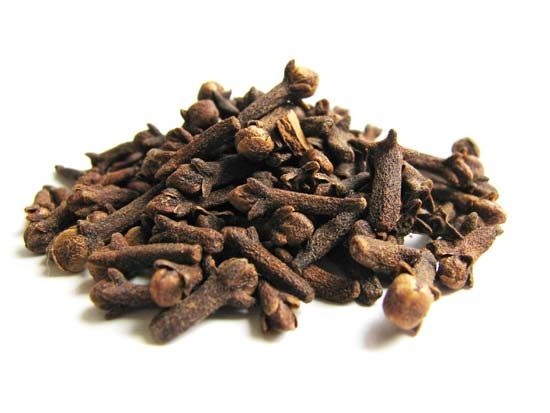
The part of the clove plant (Syzygium aromaticum) used as a spice is the small, reddish-brown flower bud.12
These buds are hand-picked in late summer and winter and are subsequently sun-dried to produce the final product. Ranging from 0.5 to 0.75 inches (13–19 mm) in length, the dried buds are highly aromatic and pungent due to their high concentration of essential oil, specifically the compound eugenol. Cloves are utilized in their whole or ground form, as well as in the form of oleoresins or distilled essential oils, to flavor various foods, including meats and bakery products.1
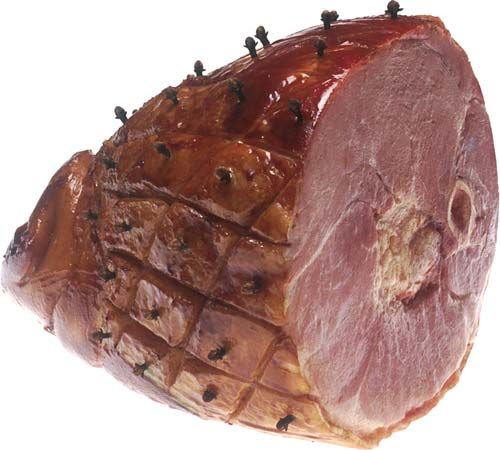
What are the main culinary uses of cloves in different cuisines around the world?
Cloves are a versatile spice used globally to enhance both sweet and savory dishes. Their strong, pungent, and aromatic profile makes them a staple in various culinary traditions:
- Global Spice Blends: Cloves are a fundamental component of Chinese five-spice powder, which also includes fennel, cassia, star anise, and Sichuan pepper. In the cuisine of India, they are a key ingredient in garam masala, a foundational spice blend used across the subcontinent.12
- Savory Applications: In Indian cooking, cloves are used to flavor curries, rice, and various meat dishes. More broadly, they are frequently used to season meats and serve as a natural preservative in food preparation.21
- Western Holiday Fare: In the United States and Europe, cloves are a characteristic flavoring for Christmas holiday traditions, including wassail and mincemeat.1
- Beverages and Baking: Beyond savory dishes, cloves are widely used to enhance the flavor of bakery products and are a common ingredient in spiced teas like chai.12
What is the scientific name and origin of the clove plant?
The scientific name of the clove plant is Syzygium aromaticum. It is a tropical evergreen tree belonging to the Myrtaceae family.
The plant is thought to be indigenous to the Moluccas—also known as the Spice Islands—located in Indonesia.1
Sources
- clove — Encyclopædia Britannica
- clove — Merriam-Webster
- list of Indian spices — Encyclopædia Britannica
Published on · 2 min read