Clover
Farmers utilize clover as a versatile tool for soil health and productivity. As a legume, it is highly valued for its ability to fix nitrogen, adding…
How do farmers use clover as a cover crop or in crop rotation systems?
Farmers utilize clover as a versatile tool for soil health and productivity. As a legume, it is highly valued for its ability to fix nitrogen, adding approximately 55–170 kg per hectare (50–150 pounds per acre) to the soil, which enhances nutrient availability for subsequent crops.1
In crop rotation, clover serves as a “sod-forming” or “rest” crop. By alternating row crops (like corn or potatoes) with grains and clover, farmers can improve soil structure, reduce erosion, and break cycles of pests and diseases. Clover is often integrated into these systems to provide a vegetative cover that protects sloping land and supplies organic matter.23
Additionally, farmers use clover as a cover crop or green manure. When the top growth is turned under, it incorporates nitrogen and organic material directly into the soil, further boosting fertility. Beyond these benefits, clover is highly palatable and nutritious, serving as valuable livestock feed in the form of pasture, hay, or silage.13
What are the ecological benefits of clover in natural and agricultural environments?
Clover (Trifolium) provides significant ecological benefits in both natural and agricultural settings by acting as a foundational plant for soil health and biodiversity.
Soil Enrichment and Conservation
As a member of the Fabaceae family, clover is a highly effective legume that performs biological nitrogen fixation. It adds approximately 55–170 kg of nitrogen per hectare to the soil, which naturally increases the availability of essential nutrients for other plants. Beyond fertility, clover serves as a vital soil-conserving plant, helping to maintain soil structure and prevent degradation.1
Biodiversity and Pollination
Clover plays a crucial role in supporting local ecosystems by serving as a primary food source for various organisms:
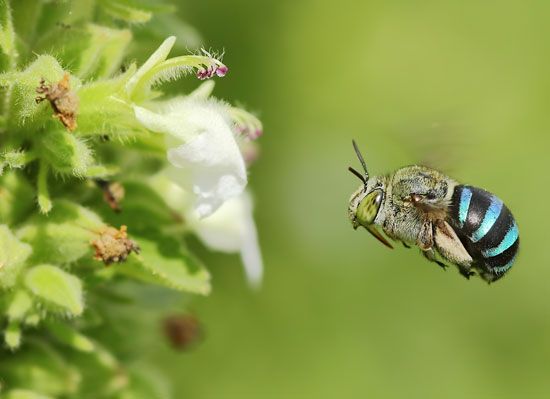
- Pollinator Support: The fragrant flowers are highly attractive to bees, making clover an essential component for supporting pollinator populations.1
- Nutritional Value: Because the plants are high in protein, phosphorus, and calcium, they provide high-quality nourishment for livestock and wildlife.1
Due to its ability to tolerate shade, frequent mowing, and foot traffic, clover is also a resilient species that thrives in diverse environments, from managed lawns to wild pastures.1
How has genetic modification been used to improve clover varieties for agricultural use?
The provided search results do not contain specific information regarding the use of genetic modification to improve clover varieties for agricultural use. While general applied genetics and genetic engineering techniques are used to enhance crops—such as improving nitrogen fixation, pest resistance, and herbicide tolerance—these advancements are not explicitly documented for the genus Trifolium in the available data.14
Clover remains a vital agricultural plant primarily through traditional cultivation methods, serving as a source of livestock feed, a cover crop, and a green manure that naturally enriches soil with nitrogen.5
How many species of clover exist, and which are the most common?
The genus Trifolium, commonly known as clover, consists of approximately 300 annual and perennial species within the pea family (Fabaceae).1
While there are many species, the most important varieties for agricultural use include:
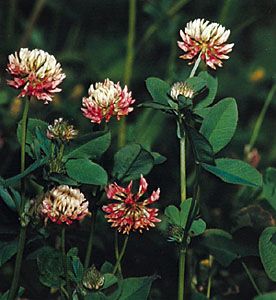
- Red clover (Trifolium pratense): A biennial or short-lived perennial characterized by oval, purplish flower heads. It is widely cultivated as a hay, forage, and cover crop.17
- White clover (T. repens): A low-creeping perennial that produces white flower heads, often tinged with pink. It is frequently used in lawn-grass mixtures and is a significant nectar source for honeybees.18
- Alsike clover (T. hybridum): Also known as Swedish or Alsatian clover, this perennial species is recognized by its globular, rosy-pink flower heads.1
These species are valued for their ability to improve soil health through nitrogen fixation and for providing high-quality nutrition for livestock.1
Sources
- clover — Encyclopædia Britannica
- Crop rotation — Encyclopædia Britannica
- Agricultural technology - Crop rotation — Encyclopædia Britannica
- genetics - Agriculture and animal husbandry — Encyclopædia Britannica
- genetic engineering - Applications — Encyclopædia Britannica
- genetically modified organism: Top Questions — Encyclopædia Britannica
- red clover — Merriam-Webster
- white clover — Merriam-Webster
Published on · 3 min read