Carnation
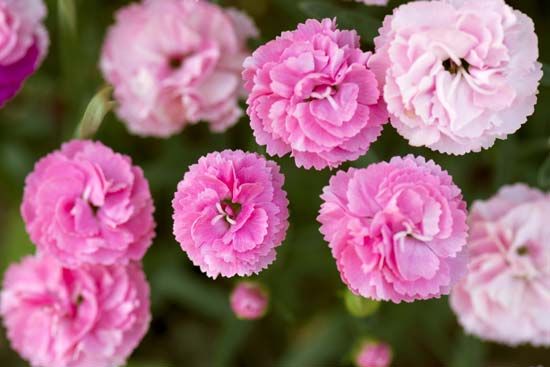
The scientific name of the carnation is Dianthus caryophyllus. It belongs to the Caryophyllaceae family, which is commonly known as the pink or carnation…
What is the scientific name of carnation and what family does it belong to?
The scientific name of the carnation is Dianthus caryophyllus. It belongs to the Caryophyllaceae family, which is commonly known as the pink or carnation family.12
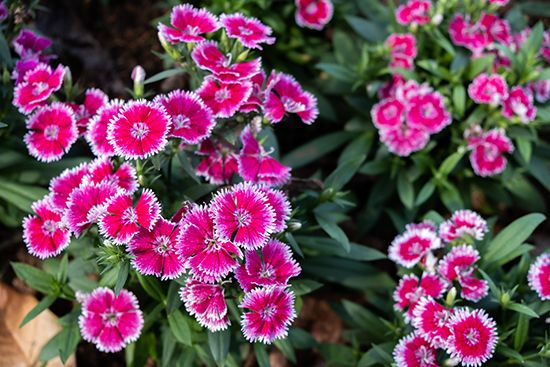
What are some common uses of carnations in horticulture and industry?
Carnations (Dianthus caryophyllus) are highly valued in both horticulture and industry for their aesthetic and aromatic properties.
Horticultural and Floral Industry Uses
- Commercial Cut Flowers: Carnations are among the most popular flowers in the florist trade. They are widely cultivated in greenhouse environments—particularly the perpetual flowering varieties—for use in floral arrangements, corsages, and boutonnieres.2
- Garden Cultivation: Border or garden carnations are grown as ornamental plants, prized for their fringe-petaled flowers and spicy fragrance. They are available in a wide range of colors and are often used in landscaping.2
- Symbolism: Beyond their physical use, they hold cultural significance, most notably as the official symbol for Mother’s Day, a tradition established by Anna Jarvis in 1907.2
Industrial and Historical Uses
- Perfumery: The spicy aroma of the carnation is a key component in the fragrance industry. It is frequently featured in spicy perfume blends alongside ingredients like clove, cinnamon, and nutmeg.4
- Historical Culinary and Medicinal Applications: In Elizabethan times, carnations were used to spice wine and ale as a substitute for the more expensive clove. Additionally, they were historically utilized in Europe as a treatment for fevers.2
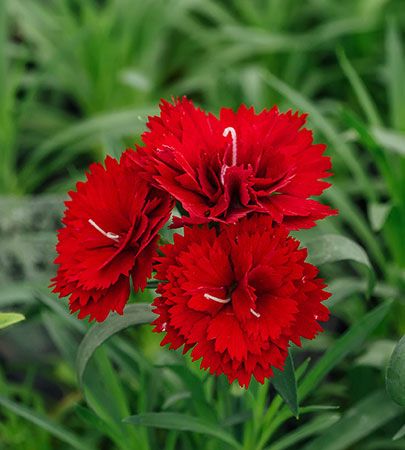
How do carnations differ from other members of the Dianthus genus?
While the carnation (Dianthus caryophyllus) is a member of the Dianthus genus—a group of approximately 300 species often referred to as “pinks”—it possesses distinct characteristics that set it apart from its relatives.26
- Commercial Cultivation: Unlike many other Dianthus species that are primarily grown as garden ornamentals or rock-garden plants, the carnation is extensively cultivated on a massive scale as a commercial cut flower for the global florist trade.263
- Growth Habit: While many Dianthus species are tufted or mat-forming perennials, carnations are categorized into specific groups like the border carnation and the perpetual flowering carnation. The latter is particularly notable for its ability to bloom almost continuously in greenhouse environments, reaching heights of up to 1 meter (3 feet).26
- Fragrance and Use: While the genus is generally known for being strongly scented, the carnation is specifically distinguished by its spicy, clove-like aroma, which has historically led to its use in perfumery and as a culinary spice substitute.263
What role do carnations play in the global cut flower industry?
The carnation (Dianthus caryophyllus) is a cornerstone of the global floral industry, recognized as one of the most popular commercial cut flowers worldwide. Its prominence in the trade is largely driven by the perpetual flowering carnation, a variety specifically bred to bloom almost continuously within greenhouse environments.2
These plants are highly valued for their versatility in professional floristry, serving as essential components in:
- Floral Arrangements: Their sturdy, wiry stems and diverse color palette make them ideal for structural and decorative designs.2
- Personal Adornments: They are frequently utilized in the creation of corsages and boutonnieres.2
- Specialized Varieties: The industry also relies on miniature (baby) and spray varieties, which provide additional aesthetic options for florists.2
Beyond their physical utility, the carnation holds significant cultural value in the industry, most notably as the official symbol for Mother’s Day, a tradition that continues to drive seasonal demand.2
Sources
- Caryophyllales - Characteristic morphological features — Encyclopædia Britannica
- carnation — Encyclopædia Britannica
- Caryophyllaceae — Encyclopædia Britannica
- Flower Etymologies For Your Spring Garden | Carnation — Merriam-Webster
- Perfume — Encyclopædia Britannica
- pink — Encyclopædia Britannica
- Caryophyllales - Other families — Encyclopædia Britannica
- Caryophyllales - Caryophyllaceae — Encyclopædia Britannica
Published on · 3 min read