Basil
Basil (Ocimum basilicum) is an annual herb belonging to the mint family (Lamiaceae). It is widely cultivated for its aromatic leaves, which are used fresh or…
What is basil and where did it originate?
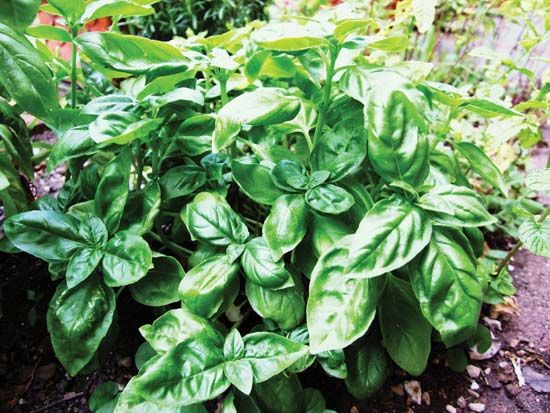
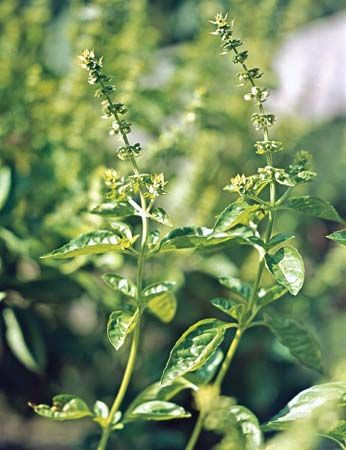
Basil (Ocimum basilicum) is an annual herb belonging to the mint family (Lamiaceae). It is widely cultivated for its aromatic leaves, which are used fresh or dried to flavor a variety of dishes, including meats, fish, salads, and sauces. The plant is characterized by glossy, oval-shaped leaves and terminal clusters of small flowers that range from white to magenta.1
Regarding its origins, basil is likely native to India. The name itself is derived from the Greek word basilikón, meaning “royal plant,” reflecting its historical significance.12
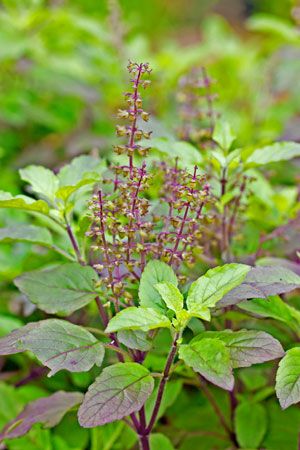
There are several varieties of basil used in commerce, such as Italian basil, Thai basil, and lemon basil. Additionally, the related holy basil (Ocimum tenuiflorum), which is native to the Indian subcontinent, is highly revered in Hinduism and frequently used in both culinary and medicinal applications.13
What are the main varieties of basil and how do they differ?
There are several varieties of basil used in commerce, each with distinct characteristics and culinary applications:
- Common Basil: Includes small-leaf varieties that are generally more pungent and less fragrant than larger-leaf types.
- Italian Basil: A larger-leaf variety known for a fragrant aroma reminiscent of anise and a warm, sweet, mildly pungent flavor.
- Lettuce-Leaf Basil: A large-leaf variety often used for its mild, sweet profile.
- Thai Basil: A specific variety (O. basilicum variety thyrsiflora) commonly used in Asian cuisine.
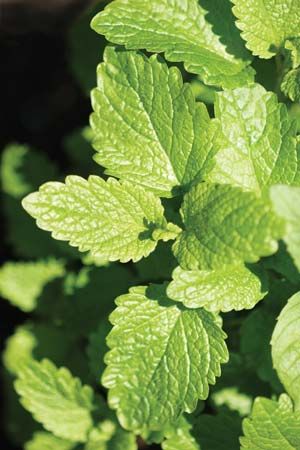
- Lemon Basil: A distinct variety (O. ×citriodorum) prized for its citrus-like scent and flavor.
- Holy Basil: A related species (Ocimum tenuiflorum) that is distinct from common culinary basil. It has a pungent, peppery flavor reminiscent of clove and mint, which intensifies during cooking. It is widely used in Ayurvedic medicine and holds deep religious significance in Hinduism.12
How is basil used in cooking and what cuisines commonly feature it?
Basil is a versatile herb used both fresh and dried to enhance the flavor of meats, fish, salads, and sauces. Its leaves, which possess a warm, sweet, and mildly pungent aroma, are a staple in many kitchens worldwide.1
Culinary Uses and Cuisines
- Italian Cuisine: Basil is a cornerstone of Italian cooking, particularly in the northwestern region of Genoa. It is the primary ingredient in pesto, a traditional sauce made by grinding the leaves with garlic, pine nuts, Parmesan cheese, and olive oil. This sauce is commonly served over pasta, vegetables, poultry, fish, or bread.78
- Asian Cuisine: Varieties such as Thai basil and holy basil are frequently featured in various Asian dishes. Holy basil, in particular, is known for its peppery, clove-like flavor that intensifies when cooked, making it a popular choice for savory preparations.1
- Other Applications: Beyond savory dishes, basil leaves can be steeped to make a stimulating tea.1
What are some other common plants in the mint family?
The mint family (Lamiaceae) is a diverse group comprising over 7,000 species, many of which are highly valued for their aromatic essential oils, culinary uses, and ornamental appeal. Members of this family are typically recognized by their square stems and opposite, often saw-toothed leaves.910
Common plants in the mint family include:
- Culinary Herbs: Beyond basil, this family includes oregano, thyme, rosemary, sage, marjoram, and savory.910
- Mint Varieties: Various Mentha species, such as peppermint and spearmint, are widely cultivated for flavoring and menthol production.910
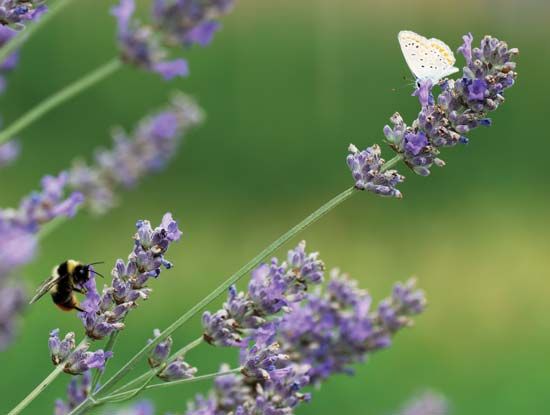
- Aromatic and Medicinal Plants: This category includes lavender, lemon balm, catnip, horehound, and patchouli.910
- Ornamentals: Many species are grown for their aesthetic value, such as bee balm (bergamot), bells of Ireland, coleus, and lamb’s ears.910
- Other Crops: The family also includes chia and even certain timber-producing trees like teakchia) and even certain timber-producing trees like teak.910
Sources
- basil — Encyclopædia Britannica
- Holy basil — Encyclopædia Britannica
- basil — Merriam-Webster
- field basil — Merriam-Webster
- sweet basil — Merriam-Webster
- basilweed — Merriam-Webster
- pesto — Encyclopædia Britannica
- gastronomy - Italian — Encyclopædia Britannica
- list of economically important members of the family Lamiaceae — Encyclopædia Britannica
- Lamiales - Lamiaceae — Encyclopædia Britannica
- Lamiales - Main families — Encyclopædia Britannica
- basil mint — Merriam-Webster
- wild basil — Merriam-Webster
Published on · 3 min read