Cockatoo
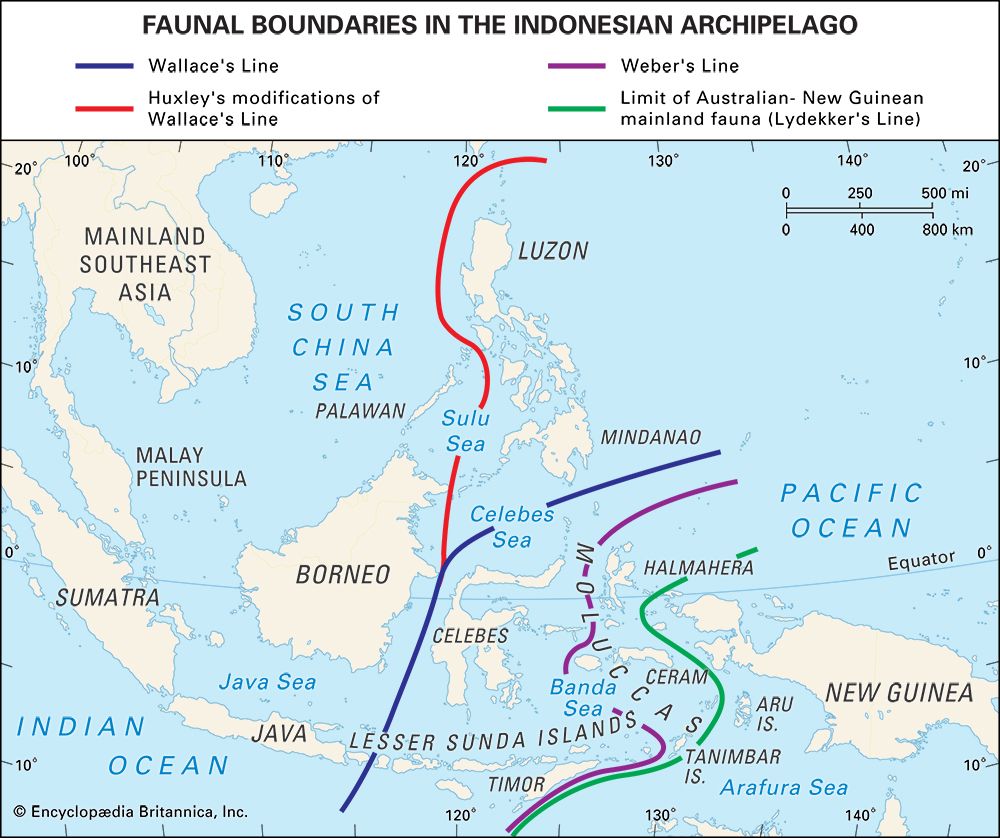
There are 21 species of cockatoos belonging to the family Cacatuidae. These birds are native to Australia, New Guinea, and nearby islands.
How many species of cockatoos are there, and which are the most common?
There are 21 species of cockatoos belonging to the family Cacatuidae. These birds are native to Australia, New Guinea, and nearby islands.12
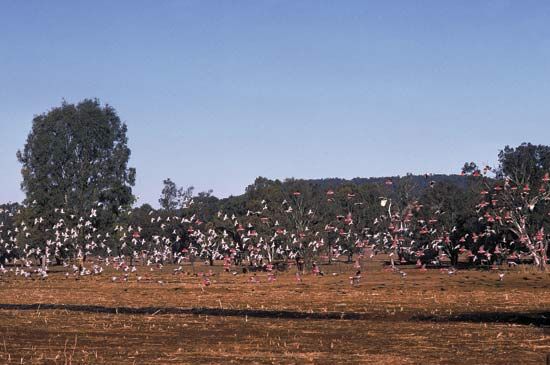
Among these, the galah (Eolophus roseicapillus) is recognized as the most widespread and numerous species. Other common and popular cockatoos include:1
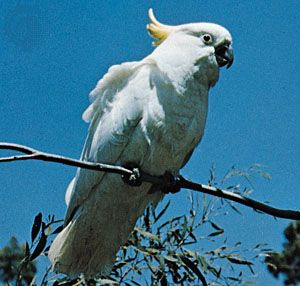
- Sulfur-crested cockatoo (Cacatua galerita): Highly social and widely kept as a pet, this species is known for its distinctive golden crest.1
- Cockatiel (Nymphicus hollandicus): A smaller, common species found throughout much of Australia and frequently kept as a cage bird.13
While these species are common, others like the palm cockatoo are solitary and face threats from the illegal cage-bird trade.1
How long do cockatoos live, and what are their care requirements as pets?
Cockatoos are long-lived birds, with some species capable of living more than 50 years. Because they are highly social, intelligent, and affectionate, they are frequently kept as pets.1
However, providing proper care for a cockatoo requires significant commitment. As highly social animals, they thrive on interaction and can be quite demanding of their owners’ time and attention. Their natural behaviors, such as being “showy” and “inventive,” mean they require mental stimulation to remain healthy and well-adjusted in a domestic environment.1
Potential owners should also be aware of their physical needs. Cockatoos possess a massive, scimitar-like beak designed for cracking nuts and digging, which necessitates a sturdy cage and appropriate enrichment to prevent destructive behavior. Furthermore, because some species are threatened by the illegal cage-bird trade, it is essential to ensure that any bird acquired as a pet comes from a reputable, ethical source.1
Where are cockatoos primarily found in the wild?
Cockatoos are native to the region encompassing Australia, New Guinea, and the Solomon Islands.14
Within these areas, their distribution varies by species:
- Australia: Many species, such as the galah, the cockatiel, and Major Mitchell’s cockatoo, are found throughout various parts of the Australian continent, including interior and northern regions.1
- New Guinea and Islands: Species like the palm cockatoo inhabit New Guinea and the Aru Islands, while other Cacatua species are also found in New Guinea and Tasmania.1
These birds are typically found in treetops and are known to form large, noisy flocks that congregate in areas near water.15
What are the distinctive physical characteristics of cockatoos?
Cockatoos (family Cacatuidae) are distinguished from other parrots by several unique anatomical and physical traits.
Key Physical Characteristics
- Crest: A defining feature of most cockatoos is a prominent, erectile crest of feathers, which can be yellow, red, or white depending on the species.16
- Bill Structure: They possess a massive, scimitar-like beak designed for cracking nuts, digging, and prying. The lower mandible is wider than the upper, and the bill is strongly hooked.16
- Plumage: Their feathers are typically black, gray, pink, or white, sometimes with tinges of yellow or red. Notably, they lack the specific feather structure that produces blue or green coloration in other parrots.16
- Feet: Like other psittaciforms, they have zygodactyl feet, meaning two toes point forward and two point backward, which aids in climbing and manipulating objects.2
- Internal Anatomy: Cockatoos are biologically distinct from other parrots due to the presence of a gall bladder, specific carotid artery arrangements, and unique skull shapes and chromosomes.6
Sources
- cockatoo — Encyclopædia Britannica
- psittaciform - Annotated classification — Encyclopædia Britannica
- parrot — Encyclopædia Britannica
- psittaciform — Encyclopædia Britannica
- psittaciform - Social behaviour — Encyclopædia Britannica
- psittaciform - Feet — Encyclopædia Britannica
Published on · 3 min read