Corbett National Park
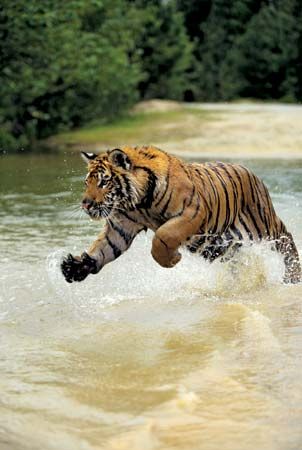
Corbett National Park is a protected natural area in Uttarakhand, India, established to conserve the Bengal tiger. While the park is part of the larger…
What are the different zones or areas within Corbett National Park, and how do they differ?
Corbett National Park is a protected natural area in Uttarakhand, India, established to conserve the Bengal tiger. While the park is part of the larger Corbett Tiger Reserve, the provided information does not categorize the park into specific administrative or tourist zones.
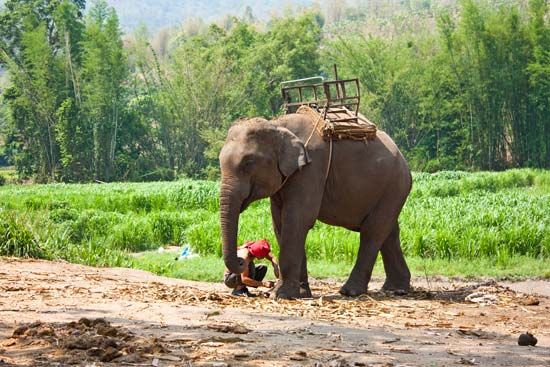
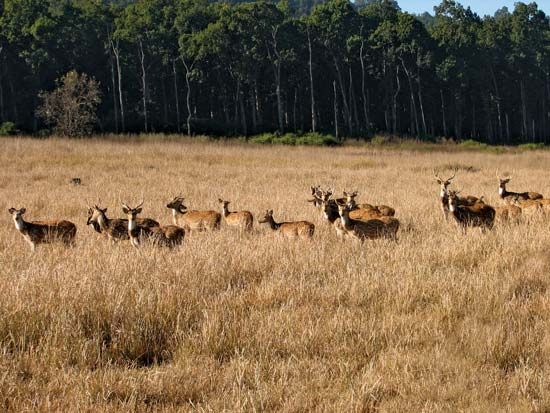
The park encompasses 201 square miles (521 square km) within the Himalayas foothills and features diverse terrain, including the Patlidoon Valley and a large reservoir formed by the Ramganga River. Visitors can explore the park via jeep or elephant tours, utilizing observation posts known as machans to view wildlife such as elephants, sloth bears, and various bird species. Overnight accommodations are available at facilities located within the park boundaries.1
Because the provided search results do not detail specific tourist zones or their functional differences, I cannot provide a breakdown of those areas.
Where is Corbett National Park located in India, and when was it established?
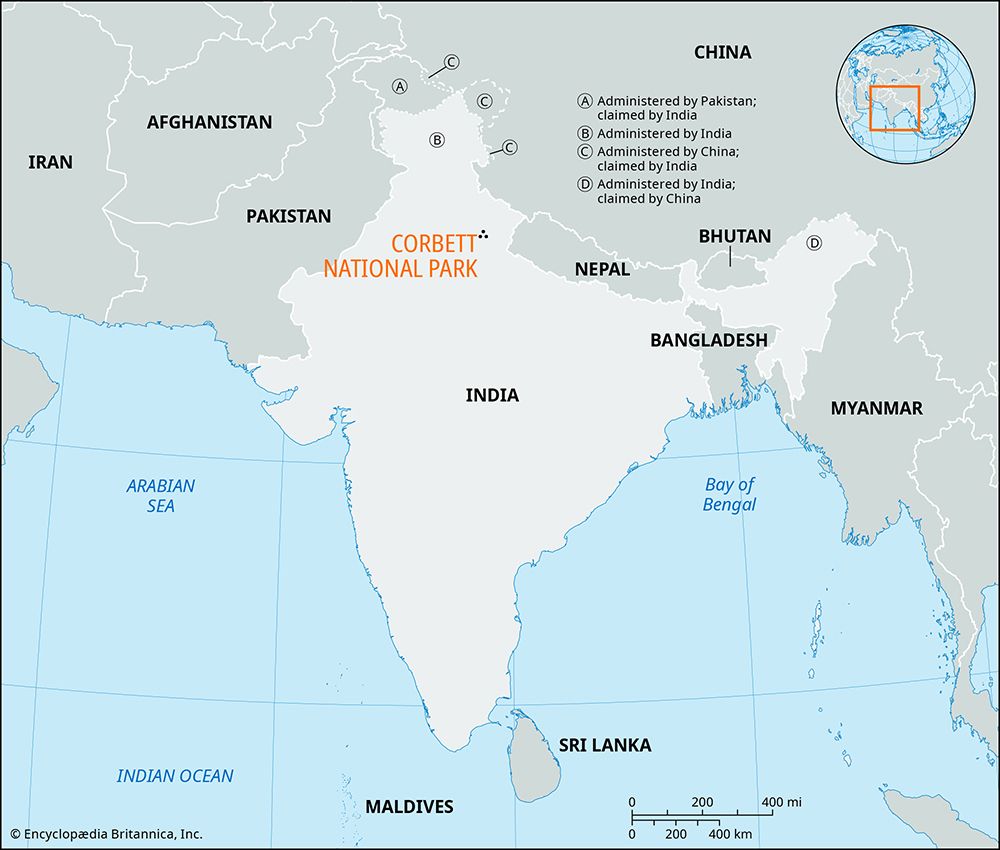
Corbett National Park is located in the southern part of the state of Uttarakhand in northern India. Situated in the foothills of the Himalayas, it lies approximately 35 miles (50 km) northwest of the town of Ramnagar.1
The park was established in 1936 as Hailey National Park, making it India’s oldest national park. It was later renamed in memory of the British writer and sportsman Jim Corbett.1
How did Jim Corbett contribute to the establishment and conservation efforts of this national park?
Jim Corbett was a British sportsman and writer who underwent a significant transformation from a hunter into a dedicated conservationist. He played a pivotal role in the establishment of India’s first national park, originally founded as Hailey National Park in 1936.12
While the park was not named after him at its inception, it was renamed Jim Corbett National Park in his honor during the late 1950s to recognize his instrumental contributions to the region’s wildlife protection efforts. His legacy is defined by this shift in perspective, moving from the pursuit of game to the active preservation of India’s natural heritage, particularly the Bengal tiger, which remains a primary focus of the park’s conservation mission today.12
What are some of the notable bird species that can be spotted in Corbett National Park?
Corbett National Park is a haven for ornithology, boasting at least 600 resident and migrant bird species within its diverse landscape.1
Notable bird species that can be spotted in the park include:
- Shikras: Also known as Levant sparrowhawks.1
- Indian white-backed vultures: A significant raptor species found in the region.1
- Black partridges: Often found in the park’s varied terrain.1
- Golden orioles: Known for their striking appearance.1
- Red jungle fowl: Considered the wild ancestor of the domestic chicken.1
- Black-crowned night herons: Frequently observed near the park’s water bodies.1
- Peafowl: Renowned for their vibrant plumage.1
The park’s varied elevations and the presence of the Ramganga River create an ideal environment for this rich avian diversity, making it a premier destination for birdwatchers in India.1
Sources
- Corbett National Park — Encyclopædia Britannica
- 10 Conservationists of India - Honorable mentions — Encyclopædia Britannica
Published on · 3 min read