10 Critically Endangered Animals of India
India is home to a diverse array of wildlife, including several species classified as critically endangered by the International Union for Conservation of…
What are 10 Critically Endangered Animals of India?
India is home to a diverse array of wildlife, including several species classified as critically endangered by the International Union for Conservation of Nature (IUCN). These animals face a high risk of extinction in the wild due to threats such as habitat loss, poaching, and environmental degradation.1
While many species in India are vulnerable or endangered, the following are notable examples of animals currently categorized as critically endangered:
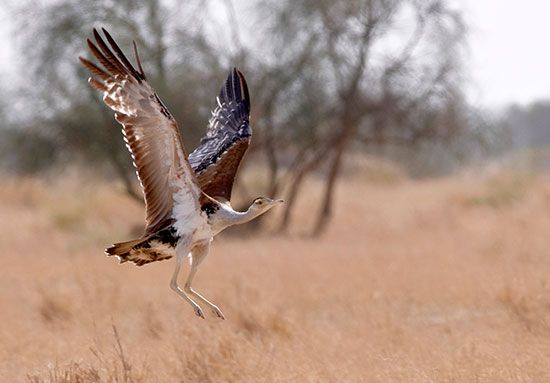
- Great Indian bustard (Ardeotis nigriceps): A large, heavy-bodied bird of the grasslands that has suffered severe population declines due to habitat fragmentation.2
- Kashmir red deer or hangul (Cervus hanglu hanglu): A rare deer species found in the mountains, known for its unique matriarchal social structure.3
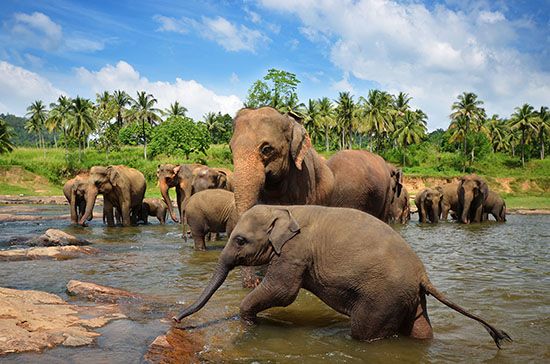
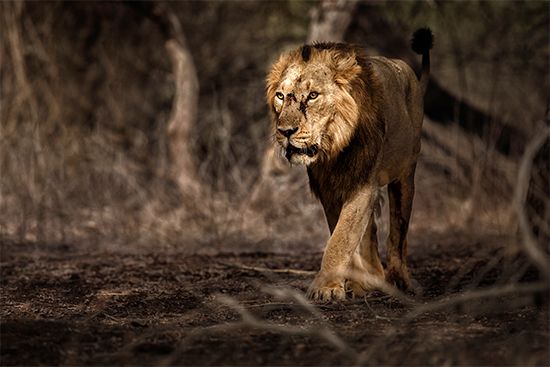
The provided search results do not contain a comprehensive list of 10 specific animals currently classified as critically endangered in India. While other species like the Asian elephant, Asiatic lion, and Indian rhinoceros are highly threatened, their current IUCN status varies between endangered and vulnerable.3
What are the primary differences between endangered and critically endangered species?
The International Union for Conservation of Nature (IUCN) classifies species based on their risk of extinction using the IUCN Red List of Threatened Species. Both “Endangered” (EN) and “Critically Endangered” (CR) fall under the broader umbrella of “threatened” species, but they represent different levels of urgency and population decline.56
Key Differences in Classification
The primary distinction lies in the severity of the criteria met by a species:5
- Critically Endangered (CR): This is the most serious designation for an imperiled organism before it is considered “Extinct in the Wild.” A species is classified as CR if it faces an extremely high risk of extinction, typically evidenced by a population decline of 80 to over 90 percent over 10 years (or three generations), or if the population consists of fewer than 50 mature individuals.56
- Endangered (EN): A species is classified as EN if it faces a very high risk of extinction. This status is generally assigned when a species experiences a population decline of 50 to over 70 percent over 10 years (or three generations), or if the population size is fewer than 250 mature individuals.5
Scientists determine these statuses by evaluating five quantitative criteria, including population trends, geographic range, and the probability of extinction.56
How do conservation projects like Project Tiger and Project Bustard help protect wildlife?
Conservation projects like Project Tiger and Project Bustard serve as vital frameworks for protecting India’s wildlife by focusing on habitat preservation and the enforcement of protective measures.27
Project Tiger
Launched in 1973, Project Tiger established a national network of tiger reserves to secure the future of the Royal Bengal tiger. By creating protected areas—such as Corbett National Park and Kanha National Park—the initiative has been instrumental in recovering tiger populations, which grew from approximately 1,411 in 2006 to 3,682 in 2022.7
Project Bustard
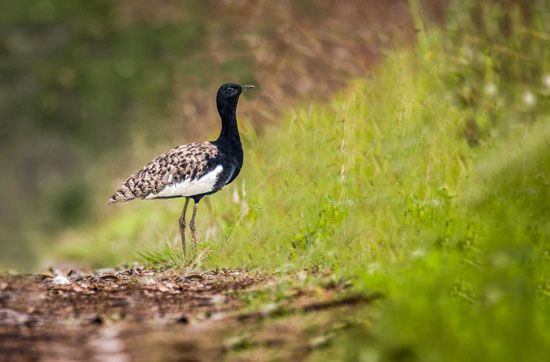
Modeled after the success of Project Tiger, the Indian government launched Project Bustard in 2012 to address the rapid decline of the great Indian bustard. This program focuses on:2
- Habitat Protection: Safeguarding the dry grasslands and scrublands that the species relies on for breeding and survival.2
- Mitigating Threats: Combating habitat loss caused by mining, road-building, and mechanized farming, as well as addressing poaching.2
- Species Recovery: Protecting the bustard alongside other vulnerable species like the Bengal florican and the lesser florican.2
These projects demonstrate that effective conservation requires a combination of legal frameworks, such as the Wildlife (Protection) Act, and dedicated management of natural habitats to ensure species survival.7
What are some of the biggest human-made threats to animal habitats in India?
India’s rapid economic growth and large population have placed significant pressure on its natural environment, leading to severe threats to animal habitats. The primary human-made drivers of this degradation include:
- Infrastructure and Urbanization: Expanding transportation networks, industrial growth, and the development of housing and settlements require vast amounts of land, leading to widespread habitat loss and fragmentation.312
- Agricultural Expansion: The conversion of forests, grasslands, and wetlands for intensive agriculture is a major contributor to land degradation.3
- Resource Extraction: Mining and the excessive extraction of water and minerals disrupt ecosystems. Additionally, both legal and illegal fuelwood collection remains a primary driver of deforestation, particularly in rural areas.313
- Pollution: Industrial waste, sewage, and agricultural runoff contaminate rivers, lakes, and groundwater, while air pollution further degrades the quality of natural environments.3
- Climate Change: Human-induced climate change intensifies these threats, causing glacier retreat, increased landslides, and more frequent extreme weather events like floods and droughts, which destabilize fragile ecosystems.3
While India has established a robust legal framework to protect wildlife, the effectiveness of these measures is often challenged by competing demands for energy, industry, and development.312
Sources
- 10 Critically Endangered Animals of India — Encyclopædia Britannica
- great Indian bustard — Encyclopædia Britannica
- India - Conservation — Encyclopædia Britannica
- State Animals of India — Encyclopædia Britannica
- endangered species - IUCN Red List of Threatened Species — Encyclopædia Britannica
- critically endangered species — Encyclopædia Britannica
- biodiversity loss - Solutions to biodiversity loss — Encyclopædia Britannica
- Environment and sustainable development in India - Wildlife — Encyclopædia Britannica
- 10 Conservationists of India — Encyclopædia Britannica
- conservation - Preventing the loss of biodiversity — Encyclopædia Britannica
- conservation - Protecting species — Encyclopædia Britannica
- Environment and sustainable development in India - Ecological overview — Encyclopædia Britannica
- economy of India - Forestry — Encyclopædia Britannica
Published on · 4 min read