Bengal Tiger
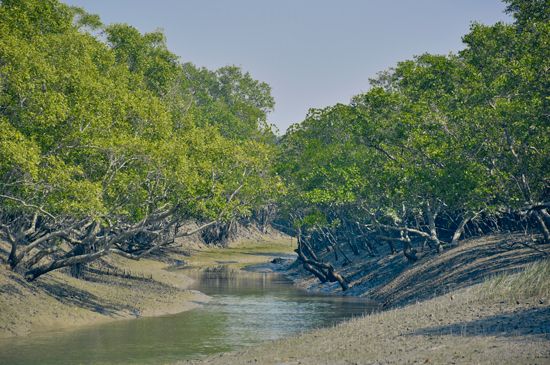
The Bengal tiger (Panthera tigris tigris) is a subspecies of tiger native to the forests and wetlands of India, Bangladesh, Bhutan, and Nepal. Widely…

What is Bengal tiger?
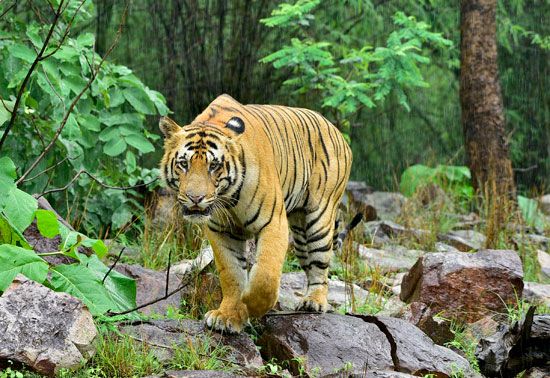
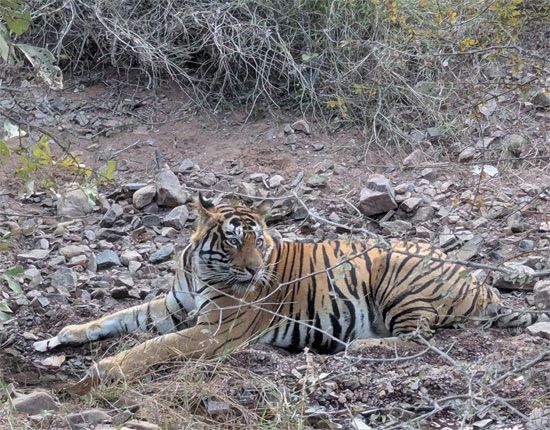
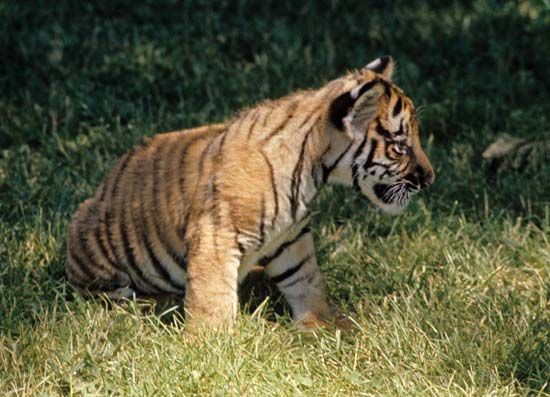
The Bengal tiger (Panthera tigris tigris) is a subspecies of tiger native to the forests and wetlands of India, Bangladesh, Bhutan, and Nepal. Widely considered the world’s second-largest tiger, it is distinguished by an orange coat with prominent brownish-to-black stripes, though a rare white tiger variant also exists.1
These solitary hunters primarily prey on ungulates, such as deer, antelope, gaurs, and wild boars. The International Union for Conservation of Nature (IUCN) classifies the Bengal tiger as an endangered species. Their survival is critically threatened by poaching and the loss of habitat due to human expansion, which also increases the risk of dangerous human-tiger conflicts. Protecting these apex predators is an ethical imperative to maintain biodiversity and the health of their ecosystems.1
How do Siberian tigers differ from Bengal tigers?
Siberian tigers and Bengal tigers are distinct subspecies of tiger that have evolved unique physical and behavioral adaptations to survive in vastly different environments.
Physical Differences
- Size: The Siberian tiger is the world’s largest tiger, reaching lengths of up to 3.7–4 meters and weighing up to 423 kg. The Bengal tiger is generally smaller, typically growing to about 3.2 meters and weighing approximately 295 kg.563
- Coat: To survive the harsh, cold climate of the Russian Far East and northeastern China, Siberian tigers possess thick, coarse fur and a layer of body fat for insulation. Their coat is often described as a paler, muted orange compared to the Bengal tiger, which is adapted to the hot, humid forests and wetlands of South Asia.53
Habitat and Population
- Range: Siberian tigers inhabit the taiga and boreal forests, while Bengal tigers roam the forests and swamps of India, Bangladesh, Bhutan, and Nepal5.3
- Status: Both are endangered, but their populations differ significantly. There are approximately 500 Siberian tigers in the wild, whereas the Bengal tiger population is estimated between 2,000 and 2,500.53
What are the main causes of endangerment for big cats?
The endangerment of big cats is driven by several critical factors that threaten their survival in the wild. Addressing these issues is a moral imperative to preserve global biodiversity and protect these apex predators.
Primary Causes of Endangerment
- Poaching and Illegal Trade: Despite legal protections, big cats are frequently hunted for their skins, bones, claws, and other body parts. These items are highly valued for use in traditional medicines, as talismans, or as luxury display items, fueling a persistent underground black market.89
- Habitat Loss and Fragmentation: As human populations grow, vast areas of forest and grassland are cleared for agriculture, roads, and urban development. This destruction reduces the space available for big cats to hunt and breed, forcing them into smaller, isolated pockets of territory.81
- Prey Depletion: The loss of habitat also leads to a decline in the populations of natural prey species. When wild prey becomes scarce, big cats may turn to livestock, which often leads to retaliatory killings by local human populations.81
- Human-Wildlife Conflict: Encroachment into big cat territories increases the frequency of dangerous encounters, which can result in the death of both humans and the animals.110
International efforts, such as the Convention on International Trade in Endangered Species, work to regulate trade and mitigate these threats, but effective law enforcement remains a significant challenge.89
What is an apex predator and why is it important to an ecosystem?
An apex predator is a flesh-eating animal that occupies the top rank of an ecosystem’s trophic pyramid, meaning it has no natural predators or enemies. These animals represent the final destination of energy flow within a biological community.12
Importance to Ecosystems
Apex predators are vital because they often function as keystone species, exerting a disproportionately large influence on their environment. Their presence helps maintain biodiversity through several mechanisms:
- Population Control: By hunting prey, apex predators prevent any single species from dominating the community, which protects the health of the broader ecosystem.12
- Trophic Cascades: The presence or removal of top predators triggers a trophic cascade—a series of reciprocal changes in the populations of predators, prey, and primary producers (such as plants). For example, the presence of wolves can limit elk populations, which in turn allows for the growth of vegetation like aspen and willow.13
- Preventing Mesopredator Release: When top predators are removed, populations of medium-sized predators often explode, a phenomenon known as mesopredator release. This can lead to the decline of smaller species and create nuisance issues for humans.13
Because these predators regulate essential processes like nutrient cycling and habitat structure, their conservation is critical for maintaining the services ecosystems provide, including clean air, water, and soil.13
Sources
- Bengal tiger — Encyclopædia Britannica
- Bengal tiger — Merriam-Webster
- Siberian tiger — Encyclopædia Britannica
- tiger: Top Questions — Encyclopædia Britannica
- Which is bigger: A Siberian tiger or a Bengal tiger? — Encyclopædia Britannica
- tiger — Encyclopædia Britannica
- tiger - Natural history — Encyclopædia Britannica
- tiger - Tigers and humans — Encyclopædia Britannica
- poaching — Encyclopædia Britannica
- leopard — Encyclopædia Britannica
- feline — Encyclopædia Britannica
- apex predator — Encyclopædia Britannica
- trophic cascade — Encyclopædia Britannica
Published on · 4 min read