Kaziranga National Park
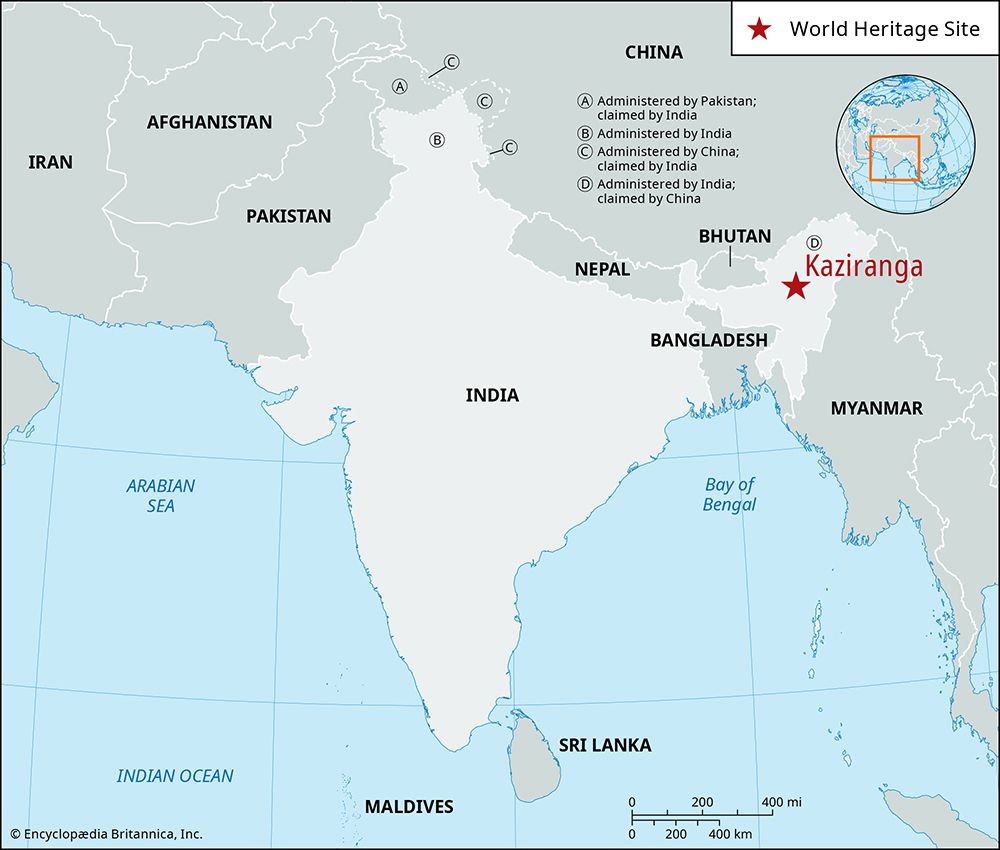
Kaziranga National Park, located in the Indian state of Assam, is a vital sanctuary for diverse wildlife. The park hosts 35 species of mammals, including…

What are the main wildlife species found in Kaziranga National Park, and why is it famous for its rhino population?
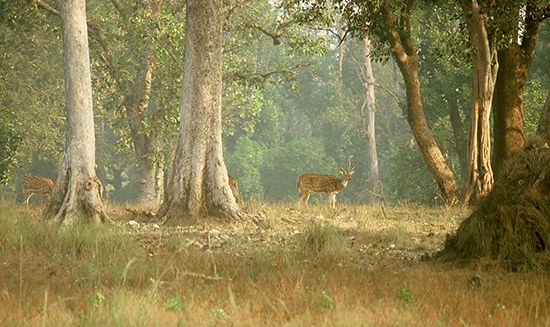
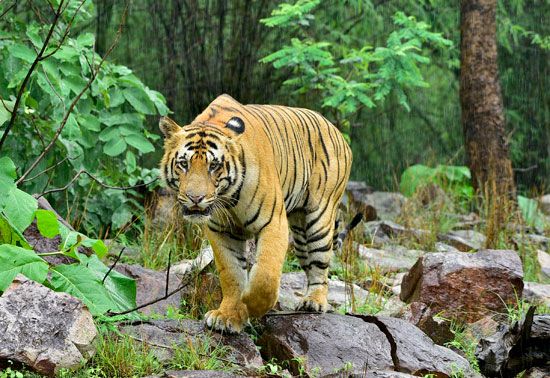
Kaziranga National Park, located in the Indian state of Assam, is a vital sanctuary for diverse wildlife. The park hosts 35 species of mammals, including tigers, leopards, elephants, water buffalo, swamp deer, and hog deer. Its rich biodiversity also includes hundreds of bird species, such as pelicans and storks, as well as aquatic life like the endangered Ganges river dolphin and the critically endangered Assam roofed turtle.1
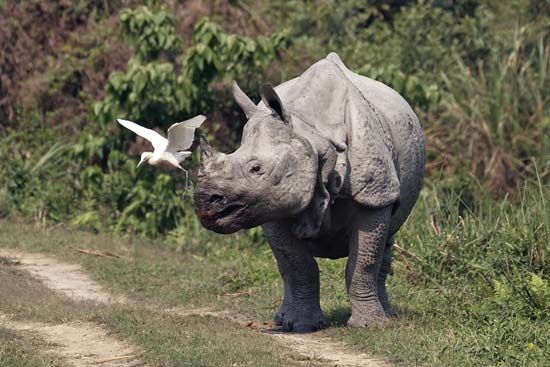
The park is globally renowned for housing the world’s largest population of greater one-horned rhinoceroses. This fame stems from a remarkable conservation success story: at the turn of the 20th century, only a handful of these rhinoceroses remained in the area. Through dedicated protection and habitat management, the population has rebounded to more than 2,600 individuals as of 2024, demonstrating the effectiveness of safeguarding these animals on nutrient-rich floodplains.213
What is the historical background of Kaziranga National Park, and when was it established as a protected area?
Kaziranga National Park, located in the Indian state of Assam, has evolved through several stages of protection to become a globally recognized conservation site. Its formal history as a protected area began in 1908 when it was established as a reserve forest.1
Following its initial designation, the area’s status was upgraded over the decades to provide more comprehensive protection for its wildlife:
- 1916: Designated as a game sanctuary.1
- 1950: Reclassified as a wildlife sanctuary.1
- 1974: Officially declared a national park.1
The park’s international significance was further solidified in 1985 when it was named a UNESCO World Heritage site. More recently, in 2007, it was declared a tiger reserve to bolster efforts to protect the region’s apex predators. Today, the park continues to adapt its management strategies, incorporating both modern scientific tools and traditional ecological knowledge to address ongoing challenges like flooding and poaching.12
How does Kaziranga National Park compare to other national parks in India in terms of biodiversity and conservation success?
Kaziranga National Park stands out among India’s protected areas as a premier example of successful species-specific conservation. While India maintains an extensive network of over 100 national parks—including notable sites like Corbett, Kanha, and Tadoba that are vital for Royal Bengal tiger protection—Kaziranga is uniquely distinguished by its role in saving the greater one-horned rhinoceros from the brink of extinction.156
In terms of biodiversity, Kaziranga supports a high density of species within its 502-square-mile marshland ecosystem, hosting hundreds of bird species, diverse aquatic life like the Ganges river dolphin, and a significant butterfly population. Its conservation success is evidenced by the steady 2.7 percent annual growth of its rhinoceros population since the early 1990s, reaching over 2,600 individuals by 2024.61
While India’s broader conservation framework, such as Project Tiger, has successfully increased tiger numbers nationwide, Kaziranga’s specific management of its floodplain habitat highlights the effectiveness of targeted, site-based protection. However, like many Indian parks, it faces ongoing threats from invasive species, climate change, and flooding, which remain significant challenges for long-term ecological stability.56
How has Kaziranga National Park’s conservation efforts helped protect endangered species?
Kaziranga National Park has played a pivotal role in the recovery of several endangered species, most notably the greater one-horned rhinoceros. Through decades of dedicated protection, the park has seen the rhinoceros population grow from just a handful at the start of the 20th century to more than 2,600 individuals as of 2024, representing a consistent 2.7 percent annual growth rate since the early 1990s.12
The park’s conservation strategy has evolved to address complex environmental and human pressures:
- Integrated Management: Recent leadership has combined modern scientific tools with traditional ecological knowledge to manage the park’s marshland ecosystem.8
- Community Engagement: Efforts have been made to involve local communities in conservation, ensuring that wildlife protection does not undermine the livelihoods of those living near the park.8
- Targeted Protection: As a designated tiger reserve since 2007, the park provides a secure habitat for apex predators and other vulnerable species, including the endangered Ganges river dolphin and the critically endangered Assam roofed turtle.2
Despite these successes, the park continues to face significant challenges, including flooding, poaching, and the spread of invasive species.128
Sources
- Kaziranga National Park: Top Questions — Encyclopædia Britannica
- Kaziranga National Park — Encyclopædia Britannica
- Indian rhinoceros — Encyclopædia Britannica
- 10 Conservationists of India - Sonali Ghosh — Encyclopædia Britannica
- Environment and sustainable development in India - Wildlife — Encyclopædia Britannica
- India - Conservation — Encyclopædia Britannica
- Assam: Top Questions — Encyclopædia Britannica
- perissodactyl - Rhinoceroses — Encyclopædia Britannica
Published on · 3 min read