Cork Tree
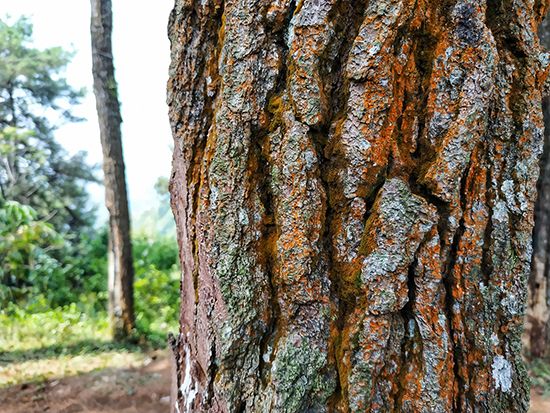
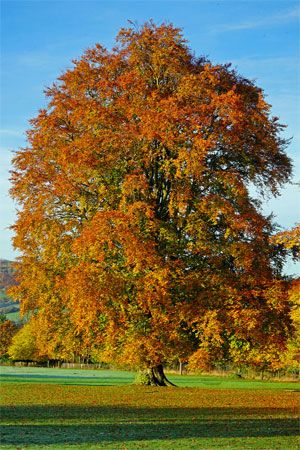
The term "cork tree" can refer to several different species depending on the context, though it is most commonly associated with the cork oak (Quercus suber).
What is cork tree?
The term “cork tree” can refer to several different species depending on the context, though it is most commonly associated with the cork oak (Quercus suber).1
The cork oak is an evergreen tree native to the Mediterranean region, including Portugal, Spain, and North Africa. It is prized for its thick, regenerative outer bark, which is harvested to produce commercial cork. This bark is composed of air-filled, watertight cells that provide excellent insulation and buoyancy.2
However, the name “cork tree” is also used for other plants:1
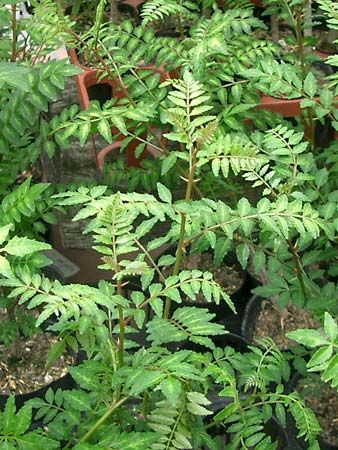
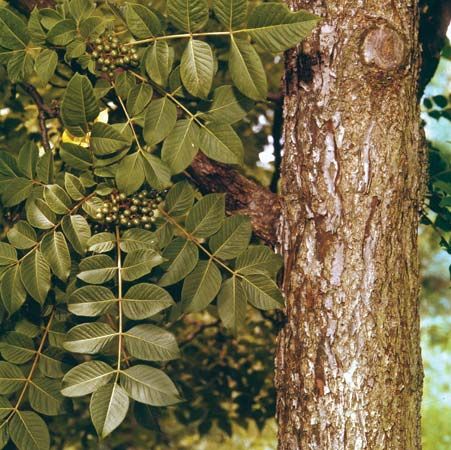
- Phellodendron: A genus of aromatic, deciduous trees from eastern Asia, such as the Amur cork tree, known for their corky bark.1
- Erythrina vespertilis: A prickly Australian coral tree with soft, spongy wood.1
- Portia tree: Sometimes referred to as a cork tree in the West Indies.1
How is cork harvested without harming the tree?
Cork is harvested from the cork oak without harming the tree because the outer bark is not vital to its survival; it serves only to protect the tree from heat and dry winds.1
The process relies on the tree’s unique ability to regenerate its outer sheath from the inner bark. Harvesting is performed by hand using specialized tools to cut slits in the outer bark, which is then carefully pried loose and peeled away. Crucially, workers take great care to avoid injuring the deeper regenerative layers of the inner bark.1
Once the outer layer is removed, the inner bark’s regenerative tissue begins to produce new cork cells. In a healthy tree, a uniform new layer of cork, roughly 2.5–5 cm (1–2 inches) thick, will form within 3 to 10 years, allowing for repeated, sustainable harvests over the tree’s 150-year lifespan.1
Why is cork such an effective material for insulation?
Cork is an exceptionally effective insulating material due to its unique cellular structure. It consists of a dense matrix of air-filled, flexible compartments that act as a barrier to heat transfer.1
The effectiveness of this material is further enhanced by its chemical composition. The cell walls of cork contain suberin, a complex fatty substance that makes the material naturally watertight and impervious to liquids. Because of these internal air pockets, cork is also remarkably lightweight—weighing only one-fifth as much as water—which contributes to its utility in various applications, including sound absorption and resilient flooring.145
What are some common products made from cork today?
Today, cork is utilized in a variety of applications, ranging from traditional stoppers to modern industrial and household products. While specialized synthetic materials have replaced it in some areas, its unique physical properties ensure it remains a valuable resource.1
Common products made from cork include:
- Bottle Stoppers: Cork remains the traditional and primary choice for sealing bottles of wine and other alcoholic beverages.16
- Insulation and Construction: As a reconstituted material, ground cork is used for thermal and sound insulation, as well as for gaskets.6
- Flooring and Surfaces: Cork is manufactured into resilient floor tiles and can be processed into carpet using linseed oil and a jute backing.65
- Office and Utility Items: It is commonly used to create bulletin boards.6
- Marine and Sports Equipment: Due to its buoyancy and lightweight nature, it is incorporated into life preservers and various types of fishing equipment.6
Sources
- cork — Encyclopædia Britannica
- cork tree — Merriam-Webster
- cork oak — Merriam-Webster
- suberin — Merriam-Webster
- floor covering - Cork tiles and carpet — Encyclopædia Britannica
- wood - Bark and bark products — Encyclopædia Britannica
Published on · 2 min read