Prickly Ash
Prickly ash refers to a genus of approximately 200 species of aromatic trees and shrubs belonging to the rue family (Rutaceae). These plants are native to…
What is prickly ash?
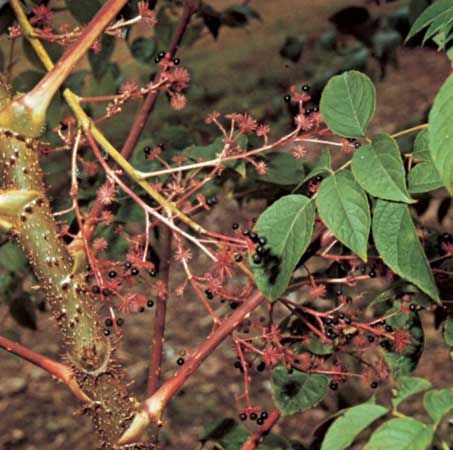
Prickly ash refers to a genus of approximately 200 species of aromatic trees and shrubs belonging to the rue family (Rutaceae). These plants are native to middle latitudes across North America, South America, Africa, Asia, and Australia.1
Key characteristics of the genus include:
- Appearance: Many species feature knobby bark armed with thorns, compound leaves, and small greenish flowers.1
- Uses: Certain species are cultivated as ornamentals or for their wood, while others are used in herbal medicine. Notably, the dried husks of fruits from species such as Zanthoxylum piperitum are used to produce Sichuan pepper.1
- Notable Species: The common prickly ash, or toothache tree (Z. americanum), is a hardy North American species. Other varieties include the Hercules’-club (Z. clava-herculis) and the West Indian satinwood (Z. flavum).12
It is important to note that the unrelated angelica tree is also sometimes referred to as prickly ash.1
How is Sichuan pepper related to the prickly ash plant?
Sichuan pepper is not a true pepper; rather, it is a spice produced from the dried, papery fruit husks of several species of prickly ash (Zanthoxylum), which belong to the rue and citrus family (Rutaceae).3
The relationship between the two is botanical: the plants used to harvest the spice are members of the Zanthoxylum genus, commonly known as prickly ash. Major species used for this purpose include:3
- Chinese pepper (Zanthoxylum simulans)3
- Red Sichuan pepper (Z. bungeanum)3
- Green Sichuan pepper (Z. armatum)3
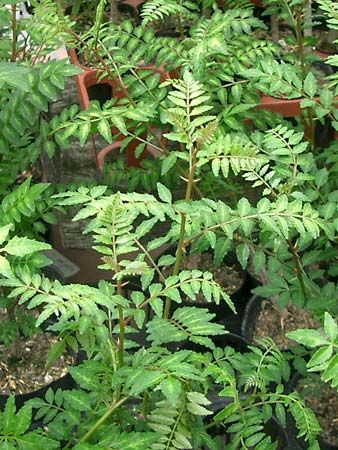
These plants are deciduous shrubs or small trees characterized by pinnately compound leaves and stems armed with prickles. While they share the name “pepper,” they are entirely unrelated to black pepper or chili peppers3. The unique numbing sensation associated with the spice is caused by a chemical compound called hydroxy-alpha sanshool, which interacts with somatosensory neurons on the tongue.3
Why is the prickly ash sometimes called the toothache tree?
The prickly ash, specifically the species Zanthoxylum americanum, is commonly known as the toothache tree because of its historical use in herbal medicine.
The plant’s bark, often referred to as toothache bark, contains compounds that have been traditionally utilized to alleviate dental pain. When chewed, the bark produces a numbing sensation, which provided relief for toothaches before the advent of modern dentistry. This medicinal property is consistent with the genus Zanthoxylum as a whole, which is known for its aromatic qualities and the presence of compounds that interact with sensory nerves, similar to the numbing effect experienced when consuming Sichuan pepper.4156
What are some other plants in the rue family?
The rue family (Rutaceae) is a diverse group comprising more than 2,000 species of woody shrubs and trees. Beyond the prickly ash, the family includes many economically significant food crops and ornamental plants.
Common Genera and Species
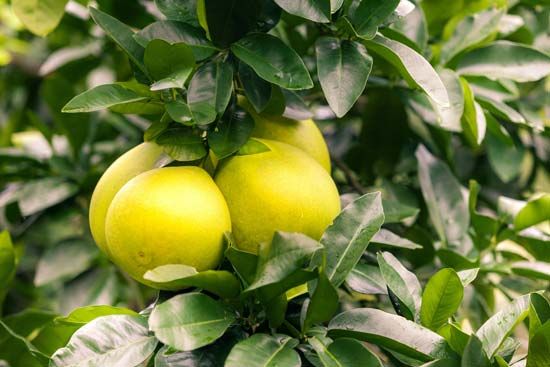
The family is perhaps best known for the genus Citrus, which includes:
- Lemon (C. ×limon)
- Sweet orange (C. ×sinensis)
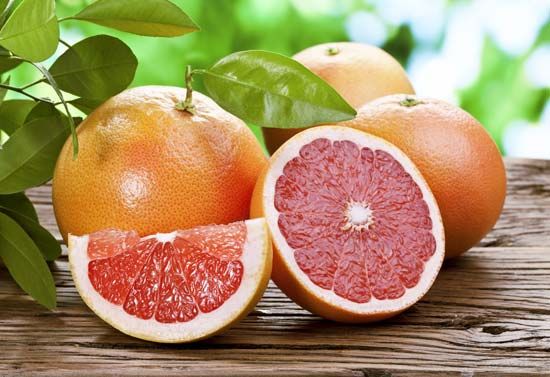
- Grapefruit (C. ×paradisi)
- Lime (C. ×aurantifolia)
- Tangerine (C. reticulata)
- Citron (C. medica)
Other notable members include:
- Bael fruit (Aegle marmelos)
- Kumquat (genus Fortunella)
- Rue (genus Ruta)
- Gas plant (Dictamnus albus), known for its flammable aromatic oils
- Cork tree (genus Phellodendron)
- Hop tree (Ptelea trifoliata)
- Satinwood (Chloroxylon swietenia)
- Torchwood (genus Amyris)
These plants are widely distributed in warm temperate and tropical regions, often recognized by their aromatic leaves and oil glands.78
Sources
- prickly ash — Encyclopædia Britannica
- prickly ash — Merriam-Webster
- Sichuan pepper — Encyclopædia Britannica
- toothache tree — Merriam-Webster
- toothache bark — Merriam-Webster
- zanthoxylum — Merriam-Webster
- list of plants in the family Rutaceae — Encyclopædia Britannica
- Rutaceae — Encyclopædia Britannica
Published on · 3 min read