Coto Doñana National Park
Coto Doñana National Park, located on the southwestern coast of Spain, features a diverse range of natural habitats spanning approximately 196 square miles.…
What are the main ecosystems and habitats found within Coto Doñana National Park?
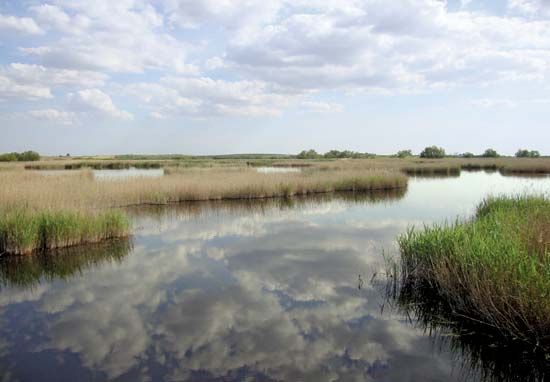
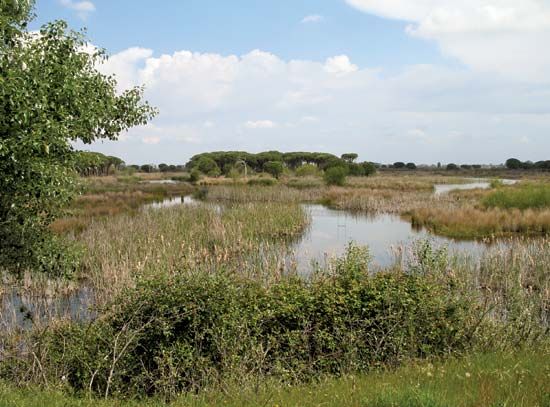
Coto Doñana National Park, located on the southwestern coast of Spain, features a diverse range of natural habitats spanning approximately 196 square miles. These ecosystems transition from the coast moving inland as follows:
- Coastal Dunes: The park begins with extensive dune systems along the coastline.1
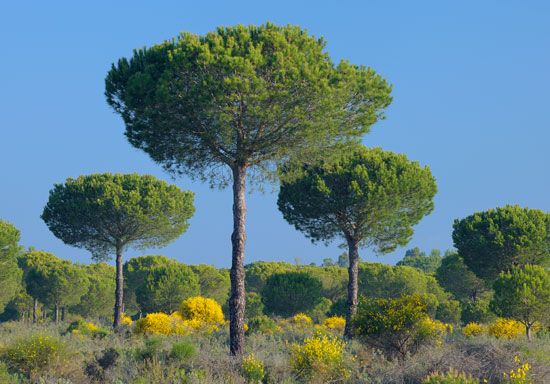
- Pine Woods and Scrubland: Moving inland from the dunes, the landscape transitions into forested areas and scrubland.1
- Marshland: The interior is dominated by the Las Marismas marshlands of the Guadalquivir River delta. These marshes serve as a critical sanctuary for bird species, acting as a major confluence for migration routes between Africa and Europe.12
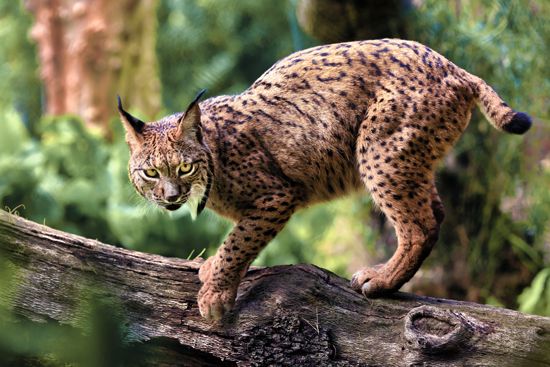
These habitats support a variety of wildlife, including the rare southern European lynx, deer, wild boar, and various migratory and resident birds. Unfortunately, these ecosystems face significant environmental pressures, including drought, agricultural runoff, and pollution.21
What rare or endangered species can be found in Coto Doñana National Park?
Coto Doñana National Park is a vital sanctuary for several rare and endangered species, most notably the Iberian lynx. Once considered one of the rarest cats in the world and classified as critically endangered, the Iberian lynx has seen its population recover due to intensive conservation efforts, including captive breeding and habitat protection. As of 2024, the species is classified as vulnerable by the International Union for Conservation of Nature (IUCN).1
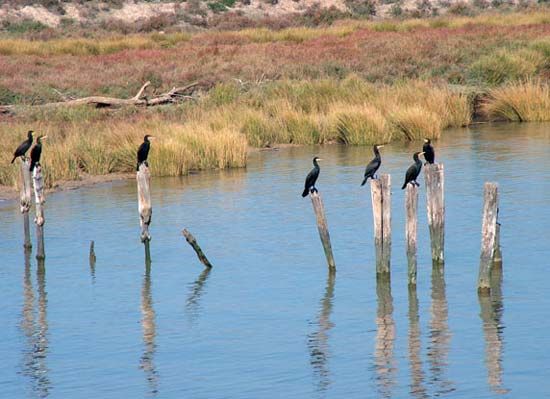
The park also serves as a critical hub for bird migration, acting as a major confluence for routes between Africa and Europe. Nearly half of all European bird species can be observed within the park, either as residents or seasonal visitors.3
While the park supports a variety of other wildlife—such as wild boar, fallow deer, and red deer—these populations and their habitats remain under threat from environmental pressures like drought, agricultural runoff, and pollution.314
How does Coto Doñana National Park collaborate with other protected areas in Europe and Africa for conservation purposes?
Sorry, the Britannica knowledge base does not contain information regarding specific collaborative conservation agreements or formal partnerships between Coto Doñana National Park and other protected areas in Europe and Africa. While the park is recognized as a vital confluence for bird migration routes between the two continents, the provided records do not detail the administrative or collaborative frameworks used to manage these shared ecological interests.1
What is the importance of Coto Doñana National Park as a stopover site for migratory birds?
Coto Doñana National Park is of critical importance as a major confluence for bird migration routes connecting Europe and Africa. Its unique geography, which includes the marshlands of the Guadalquivir delta, provides an essential habitat for a vast array of avian life.1
The park serves as a vital sanctuary for hundreds of species, functioning as a winter home for ducks and geese, while supporting approximately 20 species that remain as year-round residents. Due to its strategic location, nearly half of all European bird species can be observed within the park, either as seasonal visitors or permanent inhabitants. This high level of biodiversity underscores the park’s role as a cornerstone of European ecological health, though these populations remain vulnerable to environmental challenges such as drought and agricultural runoff.21
Sources
- Coto Doñana National Park — Encyclopædia Britannica
- Las Marismas — Encyclopædia Britannica
- Iberian lynx — Encyclopædia Britannica
- Guadalquivir River — Encyclopædia Britannica
Published on · 3 min read