Tablas De Daimiel National Park
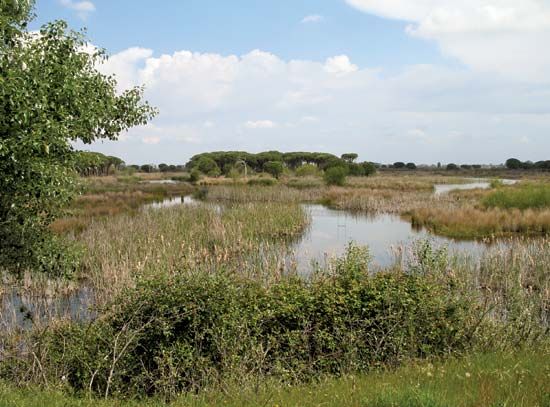
Tablas de Daimiel National Park is a significant nature reserve and wetland ecosystem located in south-central Spain, approximately 19 miles northeast of…
What is Tablas de Daimiel National Park?
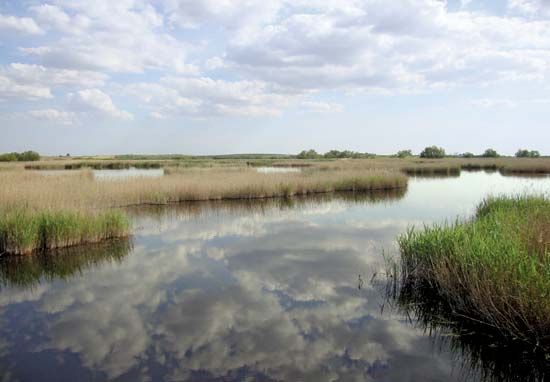
Tablas de Daimiel National Park is a significant nature reserve and wetland ecosystem located in south-central Spain, approximately 19 miles northeast of Ciudad Real.1
Established in 1973, the park spans 4,633 acres (1,875 hectares) at the confluence of the Guadiana and Cigüela rivers. This unique location creates a convergence of fresh and brackish waters, forming marshes that provide a vital habitat for both resident and migratory waterfowl throughout the year. While the park is ecologically essential, it has faced challenges regarding water levels, as portions of the rivers’ water have been diverted for irrigation purposes.1
What makes a wetland ecosystem unique?
A wetland is a complex ecosystem defined by the flooding or saturation of soil, which creates low-oxygen environments that support specialized plants, animals, and microbes. Because they function as transition zones, or ecotones, between terrestrial and aquatic systems, they often exhibit higher biodiversity than adjacent ecosystems.23
Wetlands are often called the “kidneys of the landscape” due to their critical roles in environmental health:3
- Nutrient Cycling: They act as important sinks for inorganic nutrients and atmospheric carbon.3
- Water Management: Their capacity to absorb large amounts of water helps mitigate flooding, recharge groundwater aquifers, and cleanse polluted waters.3
- Habitat Provision: They serve as vital refuges for waterfowl, fish, and many rare or endangered species.3
Despite their productivity, wetlands are frequently degraded by human activities such as draining, filling, and pollution. Protecting these areas is essential for maintaining global ecological integrity and mitigating the impacts of climate change.345
How do irrigation practices affect national parks?
Irrigation practices can significantly impact national parks, particularly those that rely on wetland ecosystems, by altering essential water levels and availability. When water is diverted from rivers or extracted from aquifers to support agricultural irrigation, it can lead to the depletion of surface water, causing rivers and wetlands to dry up.61
This disruption is particularly detrimental to protected areas like Tablas de Daimiel National Park, where the diversion of water for irrigation has historically caused fluctuations in the water levels necessary to support resident and migratory waterfowl. Furthermore, excessive groundwater mining for irrigation can lower water tables, which may permanently damage the ecological integrity of these sensitive habitats. Because wetlands are vital for biodiversity and environmental health, the unsustainable use of water for irrigation poses a direct threat to the conservation goals of national parks worldwide.617
We could dive deeper into how specific water management strategies, such as the Ramsar Convention, work to mitigate these environmental impacts.
What types of migratory birds visit Spanish wetlands?
Spanish wetlands, such as Coto Doñana National Park and Tablas de Daimiel National Park, serve as critical stopovers and wintering grounds for a vast array of migratory birds traveling between Europe and Africa.8910
Key groups of migratory birds that visit these regions include:
- Waterfowl: Ducks, geese, and swans are frequent visitors, with species such as garganeys and pintails congregating in wetland areas during the winter months.811
- Storks: The white stork is a well-known migrant that utilizes flyways through Spain and across the Strait of Gibraltar to reach Africa.8
- Wading Birds: Various shorebirds utilize these marshes as essential habitats during their long-distance migrations.8
Because these wetlands act as a vital confluence for migration routes, they support nearly half of all European bird species, including both seasonal visitors and year-round residents. The conservation of these areas is a primary focus of international agreements like the Ramsar Convention, which seeks to protect these habitats from threats like agricultural runoff and water depletion.911101
Sources
- Tablas de Daimiel National Park — Encyclopædia Britannica
- Wetland - Wetland functions and ecosystem benefits — Encyclopædia Britannica
- Wetland — Encyclopædia Britannica
- Wetland - Freshwater marshes — Encyclopædia Britannica
- Wetland - Disturbances caused by humans — Encyclopædia Britannica
- Wetland - Wetland management — Encyclopædia Britannica
- aquifer — Encyclopædia Britannica
- Migration - In Europe — Encyclopædia Britannica
- Coto Doñana National Park — Encyclopædia Britannica
- Ramsar Convention: Top Questions — Encyclopædia Britannica
- Las Marismas — Encyclopædia Britannica
Published on · 3 min read