Iberian Lynx
The Iberian lynx (Lynx pardinus) is a medium-sized wild cat endemic to the Iberian Peninsula in southwestern Europe. Once widespread, the species faced a…
What is Iberian lynx?
The Iberian lynx (Lynx pardinus) is a medium-sized wild cat endemic to the Iberian Peninsula in southwestern Europe. Once widespread, the species faced a drastic population decline in the 20th century due to hunting, habitat loss, and the collapse of its primary prey, the European rabbit, caused by diseases.12
Classified as critically endangered in the early 2000s, the species has seen a remarkable recovery thanks to intensive conservation efforts, including captive breeding and habitat protection. As of 2024, the International Union for Conservation of Nature (IUCN) lists the Iberian lynx as vulnerable, with a population exceeding 2,000 individuals.1
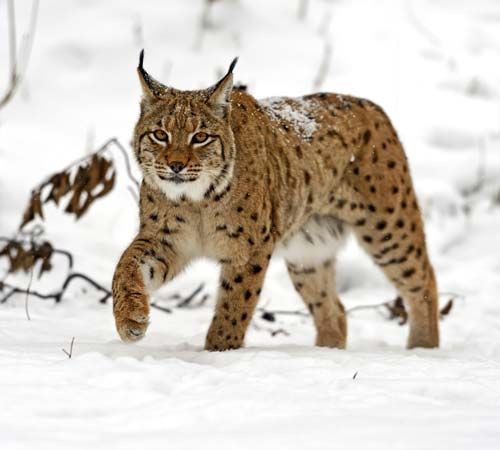
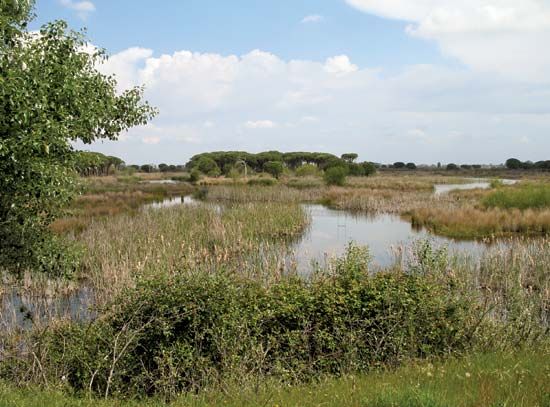
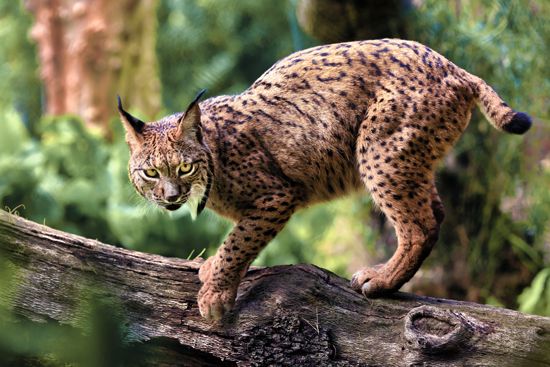
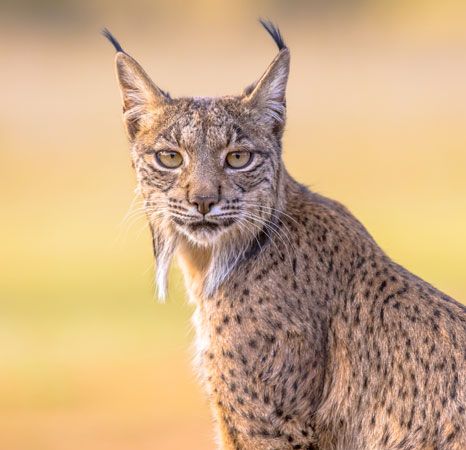
Physically, the Iberian lynx is characterized by a heavily spotted coat, a facial ruff, and prominent black ear tufts. It thrives in Mediterranean scrublands and oak forests, where it relies almost exclusively on rabbits for food. Despite its progress, the species remains threatened by poaching, wildfires, and vehicle collisions.1
How does the Eurasian lynx differ from the Iberian lynx?
The Eurasian lynx (Lynx lynx) and the Iberian lynx (L. pardinus) are distinct European feline species that differ primarily in size, appearance, and dietary specialization.31
Key Differences
Feature
Eurasian Lynx
Iberian Lynx
Size
Larger; adults weigh 18–36 kg
Smaller; adults weigh 10–15 kg
Appearance
Less heavily spotted coat
More heavily spotted; features long, white, beardlike fur under the chin
Diet
Generalist; hunts deer, hares, and rodents
Specialist; relies on European rabbits for 80–100% of its diet
Range
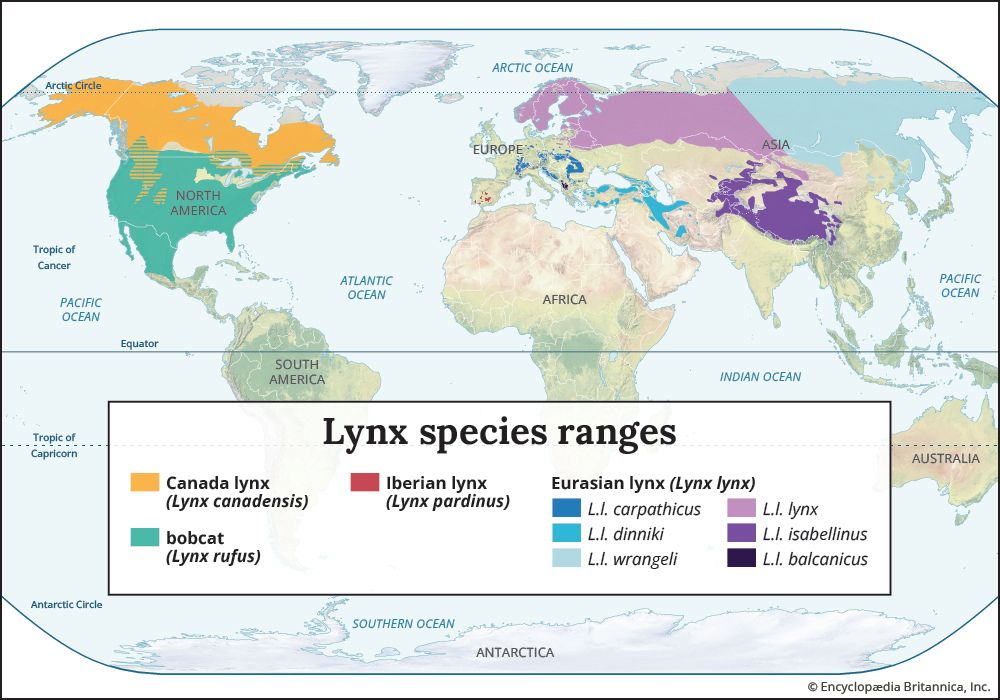
Wide range across Europe and Asia
Endemic to the Iberian Peninsula
While both species share characteristic lynx features—such as tufted ears, short tails, and a ruff of fur around the neck—the Eurasian lynx is the largest member of the genus Lynx and is classified as near threatened. In contrast, the Iberian lynx is smaller and, despite a successful recovery from critically endangered status, remains vulnerable due to its reliance on a single prey source and restricted geographic range.31
We could dive deeper into the specific conservation programs that facilitated the recovery of the Iberian lynx.
What are the main causes of European rabbit population declines?
The decline of European rabbit populations is driven by a combination of biological, environmental, and human-related factors. The primary causes include:
- Viral Diseases: The most significant impact on rabbit populations comes from highly fatal infectious diseases. Myxomatosis, a viral disease characterized by fever and skin tumors, has been used as a biological control agent to drastically reduce rabbit numbers in regions like Australia and parts of Europe. Additionally, researchers continue to investigate other pathogens, such as rabbit hemorrhagic disease, to manage populations.45
- Habitat Loss and Destruction: Like many species, rabbits are vulnerable to the loss of their natural environments. Habitat destruction—often resulting from human development, agricultural expansion, or changes in land use—remains a critical threat to the stability of rabbit populations.6
- Predation: Rabbits are a fundamental component of many food chains and are preyed upon by a wide variety of mammals and birds, including wolves, foxes, hawks, and eagles. In some areas, predation by introduced species, such as feral dogs and cats, further exacerbates population declines.46
- Human Activity: Beyond biological control, human-driven factors such as hunting, poisoning, and the destruction of warrens are employed to control rabbits, particularly where they are considered pests due to their impact on crops and vegetation.4
How do conservationists help Iberian lynxes adapt to new territories?
Conservationists have successfully facilitated the recovery and expansion of the Iberian lynx through a multifaceted approach that prepares the species for survival in new territories.
Key strategies include:
- Captive Breeding and Planned Releases: Since 2005, intensive captive breeding programs have been used to bolster numbers. These programs are followed by carefully managed releases of individuals into the wild, which began in 2010 to re-establish populations in areas where the species had previously disappeared.12
- Habitat Restoration and Protection: Conservationists prioritize the preservation of Mediterranean scrublands, oak forests, and maquis thickets. Protecting these ecosystems is essential for providing the shelter and hunting grounds necessary for the lynx to thrive in new or restored ranges.1
- Prey Management: Because the Iberian lynx relies on the European rabbit for 80–100 percent of its diet, conservation efforts focus heavily on increasing rabbit populations in target areas to ensure a stable food supply for the lynx.12
- Mitigating Human Threats: Efforts are made to reduce mortality from human activities, such as poaching and vehicle strikes, which are significant risks for lynxes exploring or establishing new territories.1
Sources
- Iberian lynx — Encyclopædia Britannica
- Iberian lynx: Top Questions — Encyclopædia Britannica
- lynx — Encyclopædia Britannica
- rabbit - Natural history — Encyclopædia Britannica
- population ecology - Population cycles — Encyclopædia Britannica
- myxomatosis — Encyclopædia Britannica
- rabbit - Diversity and conservation status — Encyclopædia Britannica
Published on · 4 min read