Crabapple
Crabapple trees, belonging to the genus Malus in the Rosaceae family, are highly valued in landscaping and gardening for their aesthetic and functional…
What are the various uses of crabapple trees in landscaping and gardening?
Crabapple trees, belonging to the genus Malus in the Rosaceae family, are highly valued in landscaping and gardening for their aesthetic and functional qualities.1
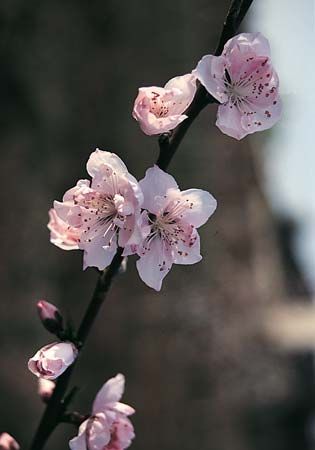
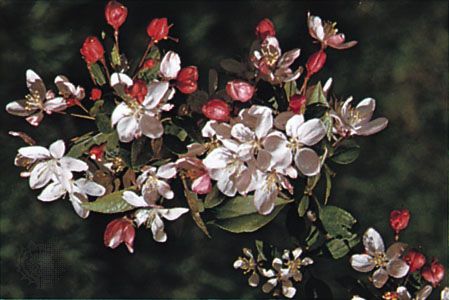
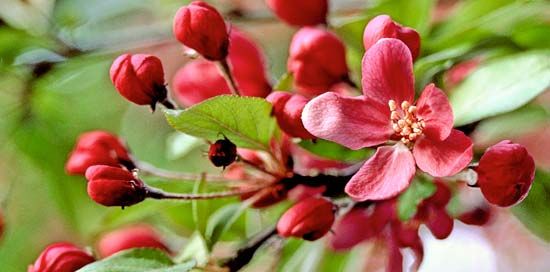
These small, hardy trees are primarily cultivated as ornamentals due to their attractive growth habits and showy spring displays of fragrant white, pink, carmine, or purplish flowers. Gardeners often select them for their decorative potential, as many varieties feature beautiful fall foliage and colorful pome fruits that can persist well into the winter months.1
Beyond their visual appeal, crabapples serve practical purposes. While their fruits are smaller and more tart than the common apple, they are frequently harvested for culinary uses, including the production of jellies, preserves, and cider. When selecting varieties for a garden, it is important to consider disease resistance, as some cultivars are susceptible to issues like apple scab, cedar-apple rust, and fire blight.1
How do crabapple trees differ from regular apple trees?
While both crabapples and common apples belong to the genus Malus within the Rosaceae family, they exhibit distinct physical and functional differences.
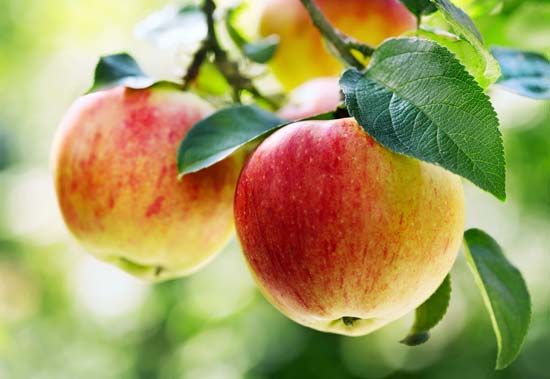
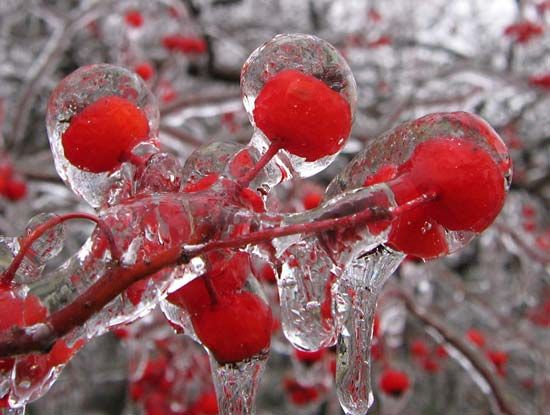
The most notable difference lies in the fruit: crabapple fruits are significantly smaller, generally measuring less than 5 cm (2 inches) in diameter, and are much more tart than the common apple (Malus domestica). While common apples are typically grown for direct consumption, crabapples are primarily valued as ornamental trees for their showy spring flowers and decorative fruits that often persist through the winter.13
Physically, crabapple trees are distinguished by a stiffer growth habit and the presence of spines, features not typically associated with the common apple. Furthermore, harvesting crabapples is significantly more labor-intensive; it takes substantially longer to collect a given volume of crabapples compared to common apples, which is why they are more frequently utilized for cider, jellies, and preserves rather than as a fresh snack.13
What are some common diseases or pests that affect crabapple trees?
Crabapple trees are susceptible to several significant plant diseases, primarily caused by fungal and bacterial pathogens. Managing these issues is essential for maintaining the health and aesthetic value of the trees.
Common Diseases
- Fire Blight: Caused by the bacterium Erwinia amylovora, this disease gives infected plants a scorched appearance. Symptoms include the sudden withering and blackening of blossoms, leaves, and twigs. It can also cause sunken, dark cankers on branches and trunks. The bacteria are often spread by insects, wind, and rain during warm, moist spring weather.4
- Apple Scab: This fungal disease, caused by Venturia inaequalis, is prevalent in cool, moist climates. It manifests as dark, crustaceous lesions or blotches on leaves, fruit, and young twigs. Severe infections can lead to leaf deformity and premature fruit drop.56
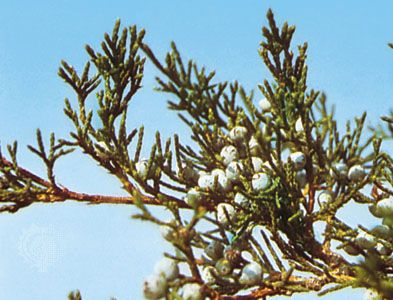
- Cedar-Apple Rust: This fungal disease requires two hosts to complete its life cycle: junipers (such as the eastern red cedar) and members of the genus Malus. It causes pale yellow to orange-yellow spots on crabapple leaves and fruit, eventually leading to the development of orange, tubelike structures on the undersides of leaves.7
Prevention and Control
Effective management strategies include:
- Resistant Varieties: Planting cultivars specifically bred for tolerance or resistance to these diseases is the most effective long-term strategy.41
- Sanitation and Pruning: Removing and destroying infected plant parts helps stop the spread of pathogens. Pruning should be performed during dormant periods to improve air circulation.648
- Chemical Treatments: Timely application of fungicides can help manage apple scab and rusts. For bacterial infections like fire blight, copper-based sprays or antibiotics like streptomycin may be used, though their effectiveness can be limited and may contribute to antibiotic resistance.748
What are the defining characteristics of crabapple trees?
Crabapple trees are small, deciduous trees belonging to the genus Malus in the Rosaceae family. Native to North America and Asia, they are primarily cultivated as ornamental plants for their attractive growth habits, fragrant spring flowers, and decorative fruits.1
Physical Characteristics
- Form and Foliage: Crabapples are generally stiffer and more spinier than the common apple. They feature simple, serrated, ovate leaves arranged alternately along the twigs.1
- Flowers: The fragrant blossoms appear in showy masses and can be white, pink, carmine, or purplish. Depending on the species, these may be five-petaled, semidouble, or double.1
- Fruit: The pome fruits are characteristically small—typically less than 5 cm (2 inches) in diameter—and notably tart. These fruits often persist on the branches throughout the winter.1
While their tartness makes them less suitable for fresh eating than common apples, they are frequently used to make cider, jellies, and preserves. Because the fruit is small and labor-intensive to harvest, they are valued more for their aesthetic contribution to landscapes than for commercial fruit production.12
Sources
- crabapple — Encyclopædia Britannica
- southern crabapple — Merriam-Webster
- How 7 Common Fruits and Veggies Got Their Names | Crab apple — Merriam-Webster
- Cedar-apple rust — Encyclopædia Britannica
- Apple scab — Encyclopædia Britannica
- Scab — Encyclopædia Britannica
- Fire blight — Encyclopædia Britannica
- Blight — Encyclopædia Britannica
Published on · 4 min read