Cranberry
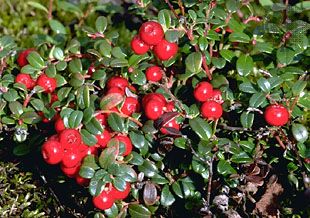
Cranberries are small, creeping plants of the genus Vaccinium that thrive in specific environmental conditions.
How are cranberries cultivated and harvested?
Cranberries are small, creeping plants of the genus Vaccinium that thrive in specific environmental conditions.1
Cultivation
Cranberries are grown in acid soils composed of peat or vegetable mold, topped with a layer of sand. To maintain the health of the vines, additional sand is applied every few years. These plants are typically grown in a cranberry bog—a low-lying area that is periodically flooded—which helps protect the commercial vines from frost.21
Harvesting
The harvest season for cranberries begins in early September and lasts through late October. During the commercial harvesting process, the fields are flooded with water. Because the ripe berries float, they can be easily scooped from the surface of the water.1
What are some popular culinary uses for cranberries beyond just sauce?
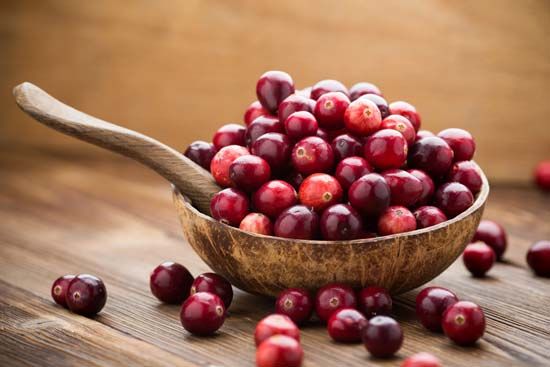
Beyond the traditional sauce and relish served during Thanksgiving and Christmas, cranberries are versatile ingredients in the kitchen. Due to their naturally tart flavor, they are a popular choice for pie fillings. Additionally, their juice is widely processed and marketed as a refreshing beverage.2
While the American cranberry is the most commercially significant species, other related fruits are also used in various culinary traditions. For instance, the lingonberry—often called the mountain or rock cranberry—is a staple in northern European cuisine. In some regions of Canada and the northern United States, the fruit of the cranberry tree is occasionally used as a substitute for true cranberries.2
How do cranberries grow, and what kind of environment do they need?
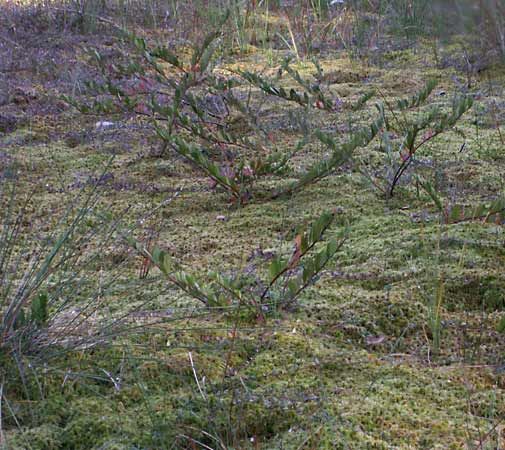
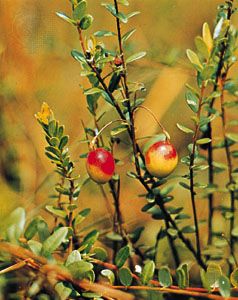
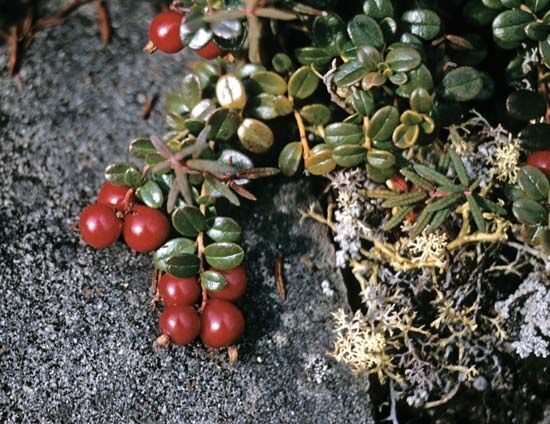
Cranberries are small, creeping or trailing plants belonging to the genus Vaccinium. They feature wiry stems and small, evergreen leaves, producing bell-shaped flowers in June and ripening into crimson berries by September.2
Environmental Requirements
To thrive, these plants require specific soil conditions, specifically acid soils composed of peat or vegetable mold. Cultivation typically involves a surface layer of sand, which is replenished every few years to maintain vine health.2
Cranberries are grown in a cranberry bog—a low-lying area that is periodically flooded. This flooding is a critical management practice, as it protects the commercial vines from frost. While the American cranberry is the most commercially significant species, other varieties, such as the northern cranberry, naturally inhabit marshy lands across North America, Asia, and Europe.21
What is the history of cranberry cultivation in North America?
The history of cranberry cultivation in North America centers on the American cranberry (Vaccinium macrocarpon), a species native to the northeastern United States. While the plant has long been a part of the North American landscape, its formal recognition and commercial development have evolved over centuries. The term “American cranberry” was first recorded in use by 1771.23
Today, the cultivation of this fruit is a significant agricultural industry, primarily concentrated in Massachusetts, New Jersey, and Wisconsin, as well as near the Pacific coast in Washington and Oregon. Farmers grow these vines in specialized acid soils composed of peat or vegetable mold, topped with a layer of sand that is periodically replenished to ensure vine health. The modern practice of flooding commercial fields serves a dual purpose: it protects the plants from frost and facilitates the harvest, as the ripe, floating berries are easily scooped from the water’s surface.2
Sources
- cranberry bog — Merriam-Webster
- Cranberry — Encyclopædia Britannica
- American cranberry — Merriam-Webster
Published on · 3 min read