Leatherleaf
Leatherleaf (Chamaedaphne calyculata) is an evergreen shrub belonging to the heath family (Ericaceae). The term is also occasionally used to describe certain…
What is leatherleaf?
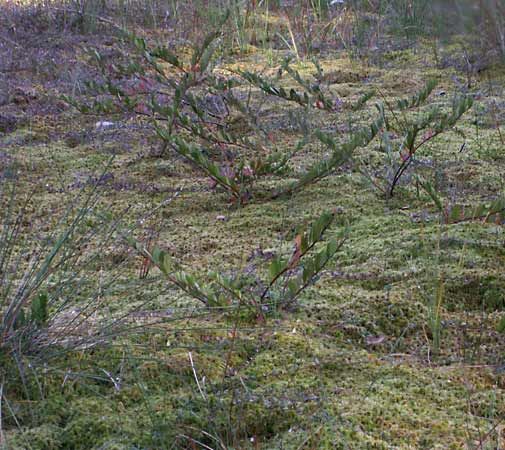
Leatherleaf (Chamaedaphne calyculata) is an evergreen shrub belonging to the heath family (Ericaceae). The term is also occasionally used to describe certain stiff-leaved ferns.12
This plant typically grows to a height of about 1.2 meters (4 feet) and is commonly found in Arctic regions and across North America, extending as far south as Georgia. It thrives in wet environments, often forming large beds along the edges of swamps and boggy meadows.1
The shrub is characterized by its brownish, oblong or lance-shaped leaves, which are covered in scales, giving them a leathery appearance. It produces small, white, bell-shaped flowers that often bloom while snow is still present on the ground. These flowers grow along arching, leafy shoots, and the plant eventually produces a small, dry capsule as its fruit.12
What other plants thrive in boggy environments?
Bogs are acidic, nutrient-poor environments that support a specialized range of flora adapted to waterlogged conditions. Because these habitats are often low in essential minerals, many plants have evolved unique strategies for survival.
Typical Bog Vegetation
In cool-region bogs, the landscape is dominated by:
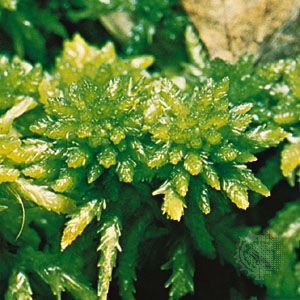
- Peat mosses: Also known as Sphagnum, these mosses are essential to bog ecosystems. They absorb and retain vast amounts of water and release acids that further lower the pH of the environment.34
- Heaths: Members of the Ericaceae family, such as the aforementioned leatherleaf, are highly characteristic of these areas.34
- Carnivorous plants: To compensate for the lack of nitrogen and other nutrients in bog soil, plants like sundews, pitcher plants, and bladderworts have evolved to trap and digest insects.35
- Other flora: Bogs also support various sedges, grasses (such as cotton grass), orchids, and desmids, which are a type of unicellular green algae.3
Tropical Bog Vegetation
In tropical regions, bogs are often dominated by broad-leaved evergreen trees. These species frequently utilize specialized root structures, such as stilt roots or pneumatophores, to access oxygen in the anoxic soil. Common plants include:6
- Trees: Species from the genera Calophyllum and Shorea often grow on hummocks to reach better-aerated soil.6
- Other plants: Palms and screw pines are also found in these environments.6
How do evergreen shrubs survive in cold climates?
Evergreen shrubs in cold climates utilize several physiological and structural adaptations to survive freezing temperatures and environmental stress.
Key Survival Strategies
- Hardening Off: Plants can increase their cold resistance through a process called “hardening off.” This involves a gradual exposure to cold temperatures and the reduction of water and nitrogen intake, which prevents the formation of succulent, frost-tender tissue.8
- Protective Cuticles: Many plants possess a cuticle, a waxy, water-repellent layer composed of cutin. This layer helps limit water loss and provides a protective barrier against environmental extremes.9
- Microclimate Utilization: In tundra and alpine environments, plants often grow in areas where they can benefit from localized microclimates. For example, some species grow in the lee of rocks or in basins where winter snow provides insulation, protecting them from harsh winds and extreme cold.10
- Rapid Life Cycles: Because the growing season in cold regions is often limited to a few months, many plants are perennials that flower quickly after snowmelt. Some species also use hairy stalks to retain warm air, raising the temperature around their reproductive parts.10
What are some other members of the heath family?
The Ericaceae family, commonly known as the heath family, is a diverse group of flowering plants comprising approximately 126 genera and 4,000 species. These plants are widely distributed across the globe, thriving in environments ranging from tropical mountains to arctic regions, and are particularly well-adapted to acidic, nutrient-poor soils.121314
Beyond the well-known rhododendrons, azaleas, and blueberries, the family includes a wide variety of ornamentals, food crops, and unique botanical specimens. Notable members include:121514
- Edible Fruits: Huckleberry, bilberry, cranberry, and lingonberry.1514
- Ornamental Shrubs: Mountain laurel, heather, manzanita, doghobble, and fetterbush.1514
- Distinctive Species: Indian pipe, which lacks chlorophyll and relies on fungi for nutrients; wintergreen; bog rosemary; and Labrador tea.1314
Sources
- leatherleaf — Encyclopædia Britannica
- leatherleaf — Merriam-Webster
- Bog - Flora — Encyclopædia Britannica
- Bog - Tropical bogs — Encyclopædia Britannica
- Bog — Encyclopædia Britannica
- Swamp — Encyclopædia Britannica
- Do Carnivorous Plants Eat Their Prey? — Encyclopædia Britannica
- Ectotherm — Encyclopædia Britannica
- horticulture - Frost control — Encyclopædia Britannica
- Tundra - Plant life — Encyclopædia Britannica
- Cuticle — Encyclopædia Britannica
- Ericaceae — Encyclopædia Britannica
- Ericales — Encyclopædia Britannica
- list of economically important members of the family Ericaceae — Encyclopædia Britannica
- Ericales - Ericaceae — Encyclopædia Britannica
- list of plants in the family Ericaceae — Encyclopædia Britannica
Published on · 3 min read