Evergreen
An evergreen is defined as any plant that retains its leaves throughout the year and into the following growing season. In contrast, deciduous plants shed…
What defines a plant as evergreen, and how does this differ from deciduous plants?
An evergreen is defined as any plant that retains its leaves throughout the year and into the following growing season. In contrast, deciduous plants shed their leaves seasonally, typically in autumn or during a tropical dry season.12
The primary differences between these two groups include:
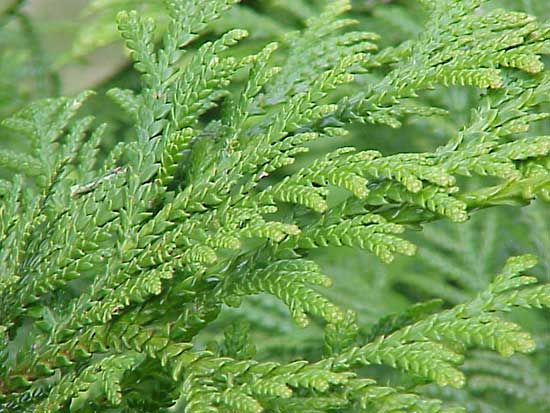
- Leaf Longevity and Structure: Evergreen leaves are often thicker and more leathery than those of deciduous plants, frequently appearing needlelike or scalelike in conifers. A single leaf on an evergreen may persist for two years or longer.1
- Environmental Adaptation: Deciduous plants shed their leaves as a protective measure against cold or dry conditions, as their thinner leaves are susceptible to freezing or damage. By dropping leaves, these plants avoid the risk of cell rupture from freezing water and prevent physical breakage from wind or snow accumulation.3
- Biological Process: The shedding of leaves in deciduous plants is a controlled process triggered by hormonal changes and shorter day lengths, involving the formation of an abscission layer that separates the leaf from the twig. Evergreens, conversely, utilize protective waxes and resins to maintain their foliage in harsh climates.3
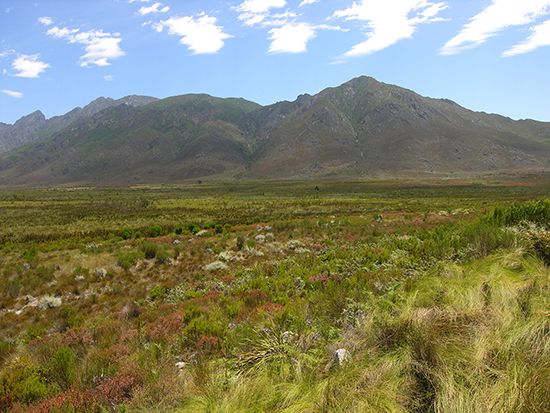
What are some common examples of evergreen trees and shrubs?
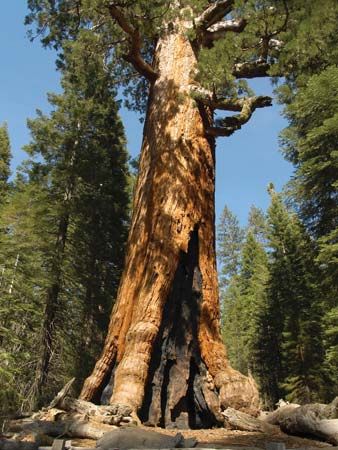
Evergreen plants are diverse, ranging from towering forest trees to ornamental shrubs and houseplants. They are generally categorized into cone-bearing conifers and broad-leaved species.1
Common Coniferous Evergreens
Most conifers are evergreen, characterized by their needlelike or scalelike leaves. Common examples include:16
- Pines (Pinus): Known for their needlelike leaves and widespread use in lumber.16
- Firs (Abies) and Spruces (Picea): Iconic cone-bearing trees often found in temperate forests.16
- Hemlock (Tsuga): A common conifer used in forestry.6
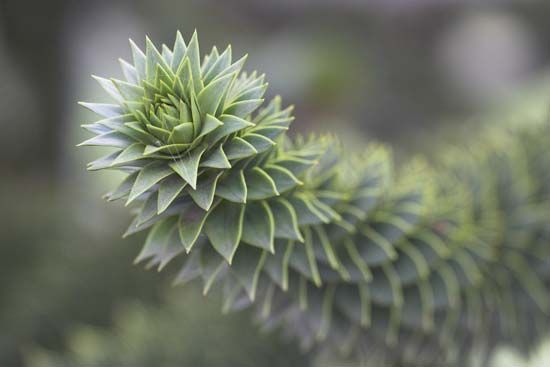
- Norfolk Island Pine (Araucaria heterophylla): A popular, graceful houseplant with tiered branches of needles.7
- Buddhist Pine (Podocarpus): Often grown indoors for its dense, pyramid-like shape.7
Broad-Leaved Evergreens
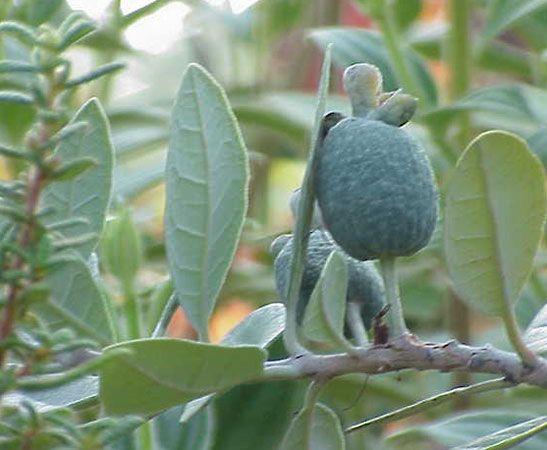
These plants often feature thicker, leathery leaves and are common in tropical and subtropical regions, though many are also kept as houseplants. Examples include:17
- Rubber Trees (Ficus): Widely used in homes and offices for their attractive, leathery foliage.7
- Schefflera (Brassaia actinophylla): Known as the umbrella tree, featuring glossy, palmately divided leaves.7
- Palms: Many species, such as the paradise palm (Howea) and parlour palms (Chamaedorea), are prized for their decorative fronds.7
- Dragon Trees (Dracaena): Notable for their rosettes of narrow, leathery leaves.7
How do the leaves of evergreen plants differ from those of deciduous plants?
The primary differences between the leaves of evergreen and deciduous plants lie in their longevity, physical structure, and seasonal behavior.
Leaf Longevity and Persistence
- Evergreen plants retain their foliage throughout the year and into the following growing season. A single leaf may persist on the plant for two years or longer, and leaf fall can occur during any season rather than being restricted to a specific time of year.9
- Deciduous plants shed their leaves seasonally, typically in response to the onset of autumn or a tropical dry season. This process is triggered by hormonal changes and declining day length, which lead to the formation of an abscission layer at the base of the petiole, causing the leaf to detach.109
Structural Differences
- Evergreen leaves are generally thicker and more leathery than those of deciduous plants. In many conifers, these leaves are modified into needlelike or scalelike structures. These adaptations, along with protective waxes and resins, help the plant resist water loss and survive harsh environmental conditions.91
- Deciduous leaves are typically thinner and less specialized for long-term environmental resistance. Because they are shed before the onset of winter or drought, they do not require the same level of year-round protection against desiccation or physical damage from snow and wind as evergreen foliage.109
How do evergreen plants protect their leaves from freezing in winter?
Evergreen plants in cold climates utilize specialized physical adaptations to protect their leaves from freezing and fracturing during the winter months. Because water expands when it freezes, the tender cells of many plants would typically rupture in sub-zero temperatures; however, evergreens are equipped with thick, protective waxes and resins that coat their foliage2.
These structural features serve as a barrier against the cold, helping the plant resist both desiccation and the physical damage that can occur when temperatures drop. In many coniferous species, the leaves are further adapted into needlelike or scalelike shapes, which are inherently more resistant to the stresses of winter than the broad, thin leaves found on deciduous trees. By maintaining these hardened, durable leaves, evergreen plants avoid the need to shed their foliage annually, allowing them to remain prepared for photosynthesis whenever conditions become favorable.122
Sources
- Evergreen — Encyclopædia Britannica
- Why Do Leaves Fall in Autumn? — Encyclopædia Britannica
- Temperate forest - Flora — Encyclopædia Britannica
- Deciduous forest — Encyclopædia Britannica
- Plant - Classification of angiosperms — Encyclopædia Britannica
- gymnosperm - Pinophyta — Encyclopædia Britannica
- houseplant - Trees — Encyclopædia Britannica
- horticulture - Temperate zones — Encyclopædia Britannica
- Leaf — Encyclopædia Britannica
- Tree - Leaf adaptations — Encyclopædia Britannica
- Cuticle — Encyclopædia Britannica
- Ectotherm — Encyclopædia Britannica
- conifer - Sporophyte phase — Encyclopædia Britannica
Published on · 4 min read