Huckleberry
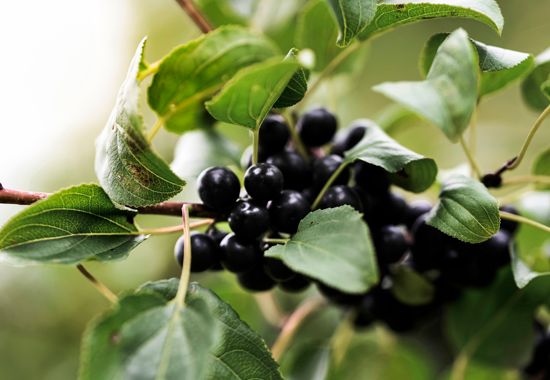
Huckleberries are small, fruit-bearing shrubs belonging to the Ericaceae family. They are primarily found in eastern North America as well as mountainous…
What are the main characteristics of huckleberry shrubs?
Huckleberries are small, fruit-bearing shrubs belonging to the Ericaceae family. They are primarily found in eastern North America as well as mountainous regions of South America.1
Physical Characteristics
- Growth Habit: These plants are deciduous shrubs or subshrubs.1
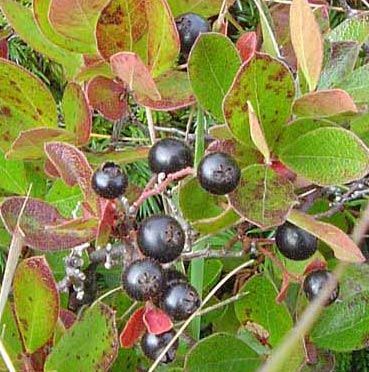
- Leaves and Stems: They feature simple, oblong leaves. Depending on the specific species, the young stems and leaves may be waxy or hairy.1
- Flowers: The flowers are typically urn-shaped and appear in small clusters, though they can be solitary. Their colors range from green and white to red or pink.1
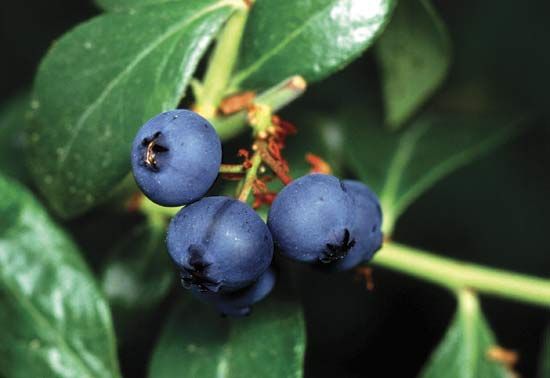
- Fruit: The fleshy, edible fruits resemble blueberries and are characterized by having 10 small seeds, or nutlets.12
Cultivation and Species
Huckleberries thrive in acidic, moist, and well-drained soil. Notable species include the common black huckleberry (Gaylussacia baccata) and the box huckleberry (G. brachycera), the latter of which is known for its ability to form ancient clones through vegetative reproduction.1
Where are huckleberry shrubs commonly found in the wild?
Huckleberry shrubs are primarily found in the wild across two main geographic regions:
- Eastern North America: Various species, such as the common black huckleberry (Gaylussacia baccata) and the dwarf huckleberry (G. dumosa), are native to this region, ranging from Canada down to Florida and across the eastern and central United States.13
- South America: These plants are also found in the Andes and other mountainous regions of the continent.1
In their natural habitats, these shrubs typically thrive in acidic, moist, and well-drained soil.1
How are huckleberries different from blueberries?
While huckleberries and blueberries are closely related members of the Ericaceae family, they belong to different genera and possess distinct internal characteristics.
Key Differences
- Genus: Huckleberries belong to the genus Gaylussacia, whereas true blueberries belong to the genus Vaccinium.1
- Seed Structure: The most reliable way to distinguish the two is by examining the fruit’s interior. Huckleberry fruits contain 10 small, hard seeds, or nutlets. In contrast, blueberries contain many tiny, soft seeds that are generally unnoticeable when eaten.1
- Taxonomic Confusion: The common names can sometimes be misleading. For example, the red huckleberry (Vaccinium parvifolium) is technically a member of the Vaccinium genus, making it more closely related to blueberries than to true huckleberries. Additionally, some plants, such as the Vaccinium hirsutum, are occasionally referred to by names that conflate the two groups.14
Both plants are deciduous shrubs that thrive in acidic, moist, and well-drained soil, which often leads to them being confused by casual observers.1
What are the different species of huckleberry shrubs?
Huckleberry shrubs are primarily classified within the genus Gaylussacia, though the common name is sometimes applied to certain Vaccinium species due to their similar appearance. Notable species include:
- Common black huckleberry (Gaylussacia baccata): Also known as the high-bush huckleberry, this species is native to the eastern United States and Canada.1
- Dwarf huckleberry (G. dumosa): This species has a wide range, extending from Florida to Newfoundland.1
- Box huckleberry (G. brachycera): Native to the eastern and central United States, this species is notable for its ability to form massive, ancient clones through vegetative reproduction.1
- Bear huckleberry (G. ursina): A low-growing species found in eastern North America.4
- Red huckleberry (Vaccinium parvifolium): While often called a huckleberry, this plant belongs to the Vaccinium genus and is sometimes referred to as the southern cranberry.1
Sources
- huckleberry — Encyclopædia Britannica
- huckleberry — Merriam-Webster
- bush huckleberry — Merriam-Webster
- bear huckleberry — Merriam-Webster
Published on · 3 min read