Crane Fly
Crane flies, which belong to the family Tipulidae, are often mistaken for large mosquitoes due to their appearance, though they are harmless and do not bite.…
What are the distinguishing physical characteristics of crane flies?
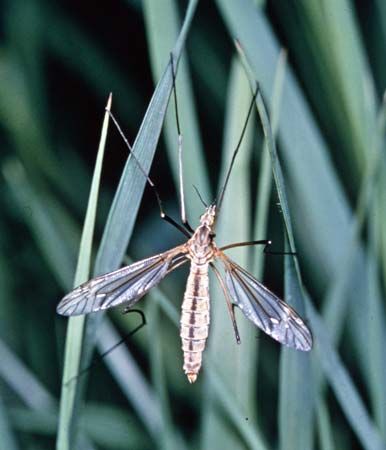
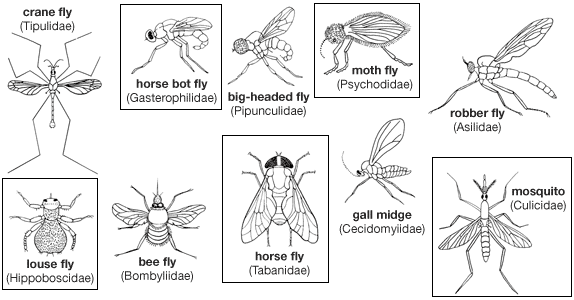
Crane flies, which belong to the family Tipulidae, are often mistaken for large mosquitoes due to their appearance, though they are harmless and do not bite. Their primary physical characteristics include:12
- Body Structure: They possess a slender, mosquito-like body.12
- Legs: A defining feature is their extremely long, delicate legs.12
- Size: Adults range in size from very small to nearly 3 cm (1.2 inches) in length.1
- Larval Stage: The larvae, often called leatherjackets, are characterized by a long, slender shape and tough, brown skin.1
While most species are known for their slow flight, some crane flies found in northern latitudes are wingless and adapted for crawling on snow. Related families, such as the phantom crane flies and winter gnats, share similar physical traits but are generally smaller in size.1
Are crane flies harmful to humans or crops?
Crane flies are not harmful to humans. Despite their resemblance to large mosquitoes, they do not bite and possess no mechanism to harm people.12
Regarding crops, the impact of crane flies depends on the species and their life stage. While adult crane flies are generally harmless, their larvae—often called leatherjackets—can be problematic. Most larvae feed on decaying plant tissue, which is beneficial to the ecosystem, but some specific species are known to damage the roots of cereal and grass crops.1
What are some common misconceptions about crane flies?
A common misconception about crane flies is that they are giant mosquitoes that pose a threat to humans. In reality, while they share a slender, mosquito-like body structure, crane flies are entirely harmless and do not bite.12
Another frequent misunderstanding involves their role in the environment. Many people assume all crane fly larvae are pests; however, most larvae—often referred to as leatherjackets—primarily feed on decaying plant tissue, which is a beneficial process for the ecosystem. While it is true that some specific species can damage the roots of cereal and grass crops, this behavior is not characteristic of the entire family.1
How do crane flies differ from mosquitoes, which they are often mistaken for?
Although crane flies are frequently mistaken for mosquitoes due to their slender bodies and long legs, they are distinct insects belonging to the family Tipulidae.12
The primary differences include:
- Biting Behavior: Unlike mosquitoes, which are notorious for biting humans to feed on blood, crane flies are completely harmless and do not bite.12
- Physical Size: While mosquitoes are generally small, crane flies can grow significantly larger, with some species reaching up to 3 cm (1.2 inches) in length.1
- Flight and Movement: Crane flies are characterized as slow-flying insects, whereas mosquitoes are typically more agile and persistent in their flight patterns.1
- Larval Diet: While mosquito larvae are aquatic, crane fly larvae—known as leatherjackets—typically live in damp soil or vegetation. Most feed on decaying plant tissue, though some species can damage the roots of cereal and grass crops.1
Sources
- crane fly — Encyclopædia Britannica
- crane fly — Merriam-Webster
Published on · 2 min read