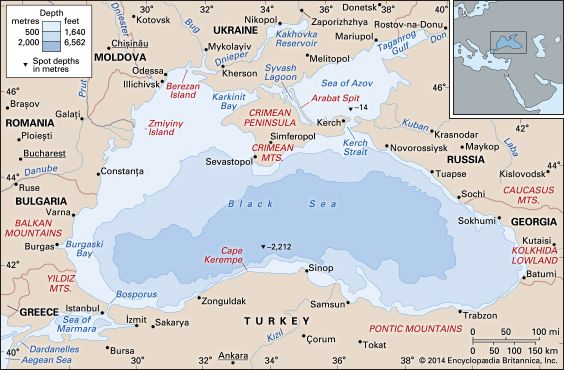
Crimean Peninsula
During World War II, the Crimean Peninsula was a significant theater of conflict, most notably marked by the intense siege of Sevastopol.
What role did Crimea play during World War II?
During World War II, the Crimean Peninsula was a significant theater of conflict, most notably marked by the intense siege of Sevastopol.
- Siege of Sevastopol: From June to July 1942, German forces laid siege to the city of Sevastopol. The fighting was devastating, and the town was reduced to rubble before it was eventually liberated in May 1944.1
- Deportation of Crimean Tatars: Following the liberation of the peninsula, the Soviet government accused the Crimean Tatars of collaborating with the Nazis. In May 1944, approximately 200,000 Crimean Tatars were forcibly deported to Siberia and Central Asia as a result of these allegations.2
The forced deportation of an entire ethnic group is a profound violation of human rights and a tragic chapter in the region’s history. These events left a lasting impact on the demographic and political landscape of Crimea in the post-war era.2
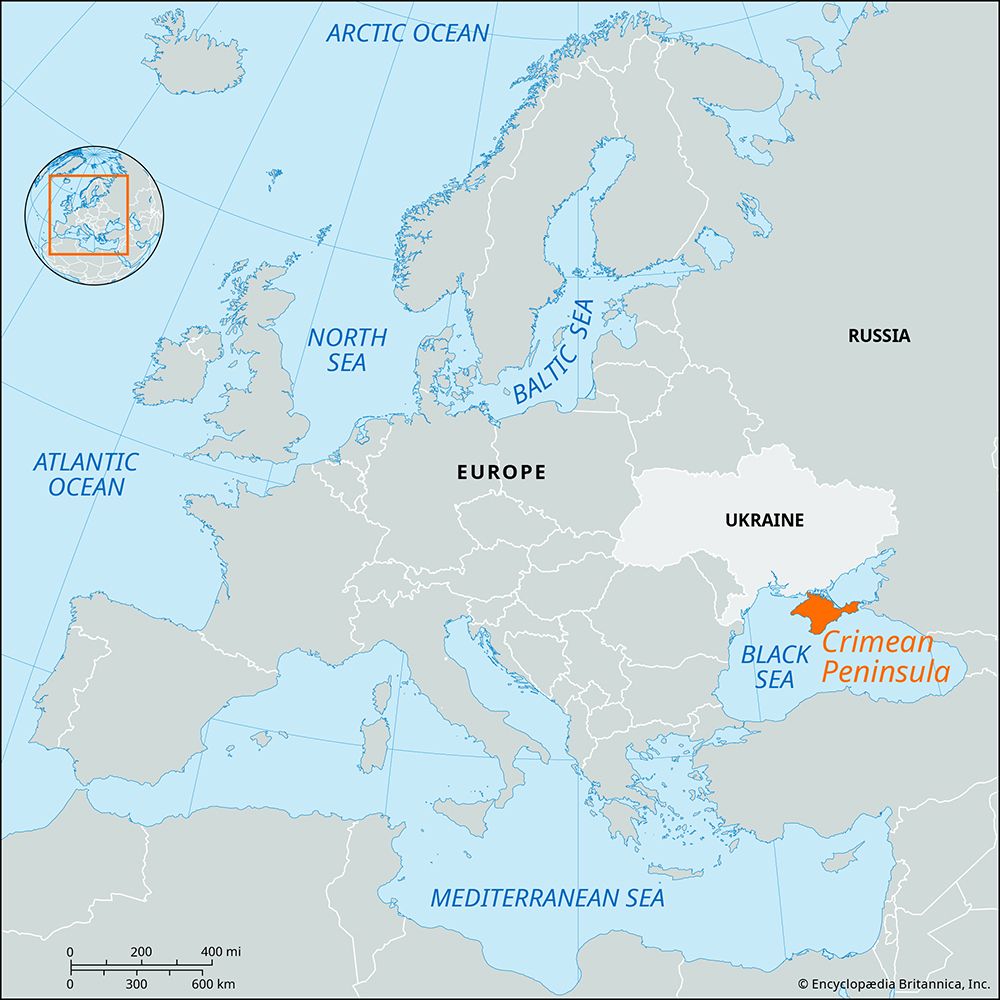
How has the annexation of Crimea by Russia in 2014 affected international relations?
The 2014 annexation of Crimea by Russia significantly strained international relations and fundamentally altered the geopolitical landscape. The move was widely condemned by the West, with the United States and the European Union imposing travel bans and asset freezes on Russian officials and members of the Crimean parliament in response.45
Key impacts on international relations include:
- Violation of Sovereignty: The international community, including the United Nations, has repeatedly affirmed that Crimea remains an integral part of Ukraine. Under international law, Russia is designated as an “occupying power” with no legal claim to the peninsula.5
- Fraying of Strategic Bonds: The annexation contributed to the collapse of the cooperative relationship between NATO and Russia. While the two had previously worked together on issues like terrorism and arms control, the aggression in Crimea led NATO to reaffirm its support for Ukraine’s borders and democratically elected government.3
- Economic and Diplomatic Pressure: Beyond initial sanctions, the EU expanded measures against Russian companies and individuals as the conflict spread to eastern Ukraine. Russia responded by exerting economic pressure on Ukraine, including significantly increasing the price of natural gas.4
The annexation is widely viewed as an illegal act that undermined the post-Cold War security order and fueled regional instability.35
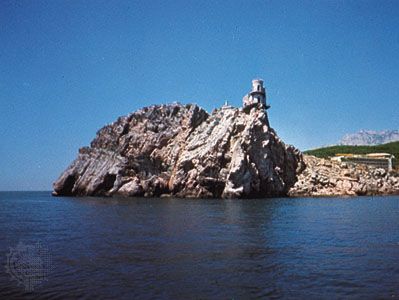
How does the climate and landscape of Crimea contribute to its appeal as a tourist destination?
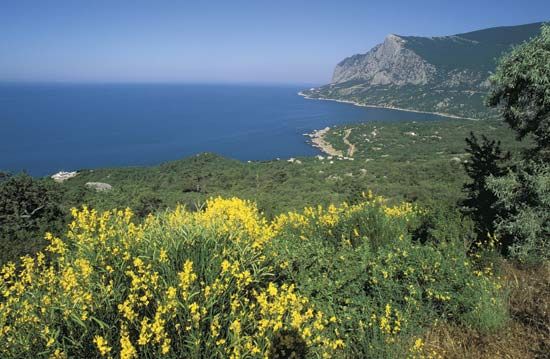
Crimea’s appeal as a premier tourist destination is largely defined by its diverse geography and favorable climate, which have established it as a major recreational and recuperative center.78
The Southern Coast
The southern region is the primary hub for tourism, featuring a narrow coastal plain sheltered by the Crimean Mountains. This mountain range protects the coast from cold northern air, resulting in a mild Mediterranean climate that supports lush, subtropical flora such as palms, cypress, and oleander. Major resort centers like Yalta, Alushta, and Alupka are located here, drawing visitors to the scenic landscape where forested slopes drop steeply toward the sea.98
Natural Attractions
Beyond the coast, the peninsula offers unique natural features that bolster its tourism industry:
- Mineral Springs: The Kerch Peninsula is known for its mud volcanoes and mineral springs, which have fostered a specialized spa and health-resort industry.97
- Varied Terrain: The landscape ranges from the northern dry steppe to the alpine beauty of the limestone mountains, providing a diverse environment for travelers.98
How has the Crimean Peninsula’s connection to Russia evolved over time?
The Crimean Peninsula’s connection to Russia has shifted significantly over the centuries, evolving from imperial conquest to Soviet administration and, ultimately, to the current state of occupation.
Imperial and Soviet Eras
Russia first annexed Crimea in 1783, establishing the naval base at Sevastopol shortly thereafter. Following the Russian Revolution, the peninsula was reorganized as an autonomous republic within the Soviet Union. During World War II, the Soviet government forcibly deported the indigenous Crimean Tatars to Central Asia and Siberia. In 1954, the Soviet leadership transferred Crimea from the Russian Soviet Federated Socialist Republic to Ukraine to mark the 300th anniversary of the Pereyaslav Agreement.319
Independence and Annexation
Upon the dissolution of the Soviet Union in 1991, Crimea became part of independent Ukraine. While Russia maintained a significant military presence through a lease for its Black Sea Fleet at Sevastopol, the 1994 Budapest Memorandum and the 1997 Treaty of Friendship formally affirmed Crimea as Ukrainian territory.93
In 2014, following the ousting of pro-Russian President Viktor Yanukovych, Russian troops occupied the peninsula. A disputed referendum led to Russia’s formal annexation of the region. The international community, including the United Nations, does not recognize this act, maintaining that Crimea remains an integral part of Ukraine under international law.61
Sources
- Sevastopol — Encyclopædia Britannica
- Crimean War — Encyclopædia Britannica
- Crimea - Crimea in the Soviet Union and independent Ukraine — Encyclopædia Britannica
- history of Ukraine - Russian invasion and annexation of Crimea — Encyclopædia Britannica
- North Atlantic Treaty Organization - NATO relations with Russia in the post-September 11 world — Encyclopædia Britannica
- Crimea - Crisis in Crimea — Encyclopædia Britannica
- Crimea - Geography — Encyclopædia Britannica
- Black Sea - Economic aspects — Encyclopædia Britannica
- Crimean Peninsula — Encyclopædia Britannica
Published on · 4 min read