Quince
The quince (Cydonia oblonga) is a golden-yellow, pome-style fruit known for its strong aroma. While it is highly astringent and generally inedible in its raw…
How is quince used in culinary applications, and what are some popular recipes?
The quince (Cydonia oblonga) is a golden-yellow, pome-style fruit known for its strong aroma. While it is highly astringent and generally inedible in its raw state, it is a prized ingredient in culinary applications due to its ability to transform when cooked.12
When heated, the flesh of the quince softens and develops a distinct pink hue, making it an excellent choice for preserves, jellies, and conserves. Beyond standalone preserves, quince is frequently used to enhance the flavor and acidity of stewed or baked apples, providing a sophisticated sharpness to fruit-based desserts.1
While specific step-by-step recipes are not detailed in the provided sources, the fruit is traditionally utilized in:
- Jellies and Conserves: The natural properties of the fruit allow it to create visually attractive, pink-tinted spreads.1
- Baked Goods: It is often paired with apples to add depth and complexity to pies, tarts, or baked fruit dishes.1
What are some common pests or diseases that affect quince plants?
Quince plants (Cydonia oblonga) are susceptible to several health challenges that also affect other members of the Rosaceae family.
Diseases
The most significant threat to quince is fire blight, a bacterial disease caused by Erwinia amylovora. This pathogen causes a characteristic “scorched” appearance, leading to the sudden browning and withering of blossoms, leaves, and branches. Infected tissues may develop sunken, dark lesions known as cankers, and the fruit can become shriveled and discolored. Management is difficult, often requiring the removal of infected wood during dormant periods and the careful use of sprays, though some treatments have led to antibiotic-resistant strains.31
Pests
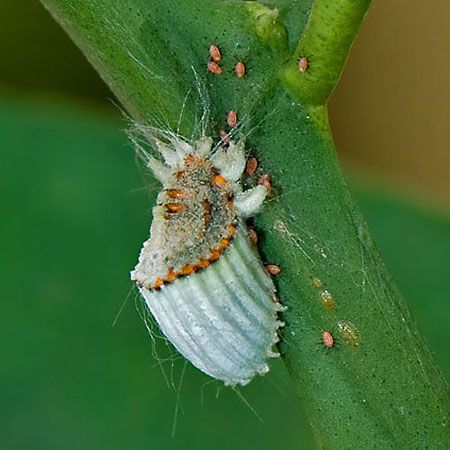
Quince trees are also vulnerable to scale insects, the same pests that frequently infest apple and pear trees. To manage these infestations, it is recommended that quince trees receive the same dormant spray treatments used for those other orchard fruits.1
In which regions is quince cultivation most common, and what are the ideal growing conditions?
The quince (Cydonia oblonga) is native to Iran, Turkey, and potentially Greece and the Crimean Peninsula. While it was once a common feature in home fruit gardens, its commercial cultivation has declined significantly in the northeastern United States and Europe. Today, it remains an economically important crop primarily in Turkey and various regions across Asia.1
Regarding its growing conditions, the quince is a hardy plant that thrives in regions characterized by a distinct winter period. It is relatively low-maintenance and performs well in varied settings, such as along fencerows, where it requires minimal care to flourish.1
What are the distinctive characteristics of the quince fruit and tree?
The quince (Cydonia oblonga) is a unique member of the Rosaceae family, distinguished by both its growth habit and its fruit characteristics.
The Quince Tree
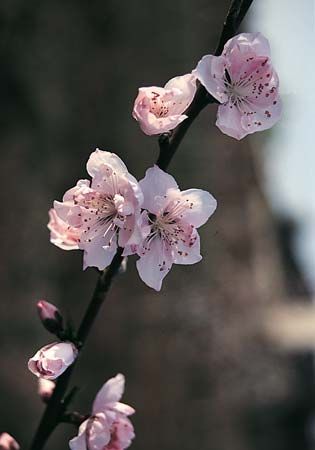
The plant grows as a much-branched shrub or small tree. Its foliage consists of entire leaves accompanied by small stipules. During the blooming season, it produces large, solitary white or pink flowers that resemble those of an apple or pear, though they are uniquely identified by their leafy calyx lobes and a many-celled ovary.1
The Quince Fruit
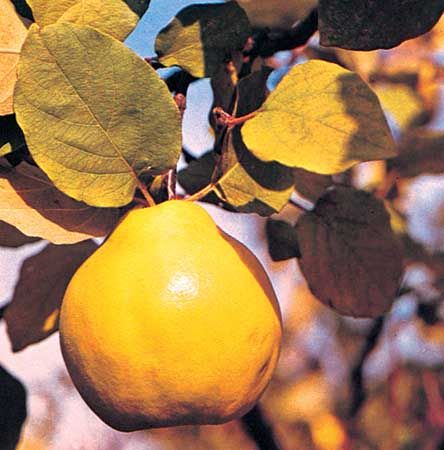
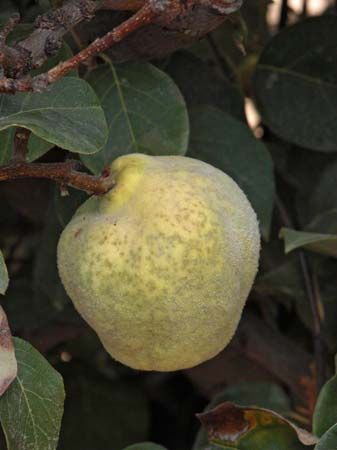
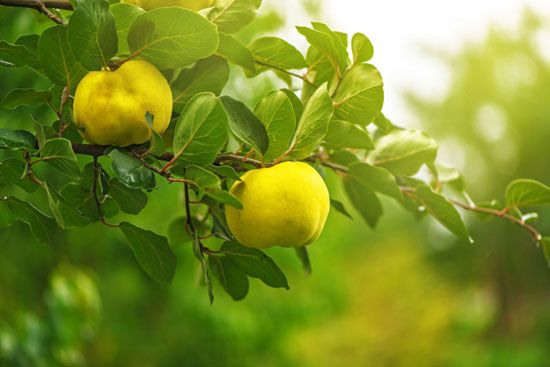
The fruit is a golden-yellow pome that may appear round and flattened or somewhat pear-shaped. While it possesses a strong, pleasant aroma, the raw flesh is notably astringent. When cooked, however, the fruit transforms; it develops a distinct pink hue and is highly valued for use in jellies, preserves, and as a flavoring agent to add sharpness to other baked fruits.1
Sources
- Quince — Encyclopædia Britannica
- quince — Merriam-Webster
- Fire blight — Encyclopædia Britannica
- flowering quince — Encyclopædia Britannica
Published on · 3 min read