Black Sea
The Black Sea is bordered by six countries: Ukraine to the north, Russia to the northeast, Georgia to the east, Turkey to the south, and Bulgaria and Romania…
What are the major countries bordering the Black Sea, and how does it impact their economies?
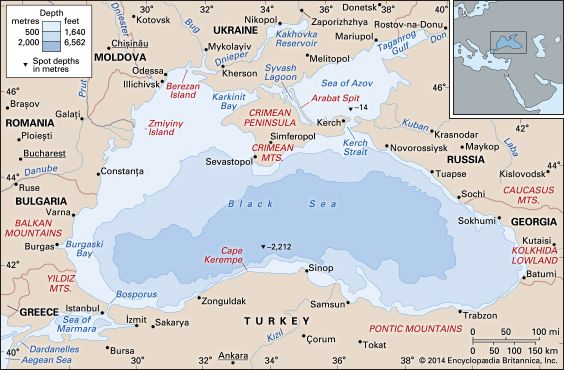
The Black Sea is bordered by six countries: Ukraine to the north, Russia to the northeast, Georgia to the east, Turkey to the south, and Bulgaria and Romania to the west.1
This sea serves as a vital year-round transportation artery, connecting eastern European markets to the world. Its economic impact is significant across several sectors:2
- Trade and Shipping: Ports like Odessa (Ukraine), Constanța (Romania), and Istanbul (Turkey) are critical hubs for freight, including grain, iron ore, and coal. Ports in Russia and Georgia specialize in petroleum exports.234
- Fisheries: Fish are a primary biological resource, with approximately 180 species present, though only a fraction are of commercial importance.25
- Tourism: The region’s climate and mineral springs support a robust recreational industry, particularly in Crimea and along the beaches of Bulgaria and Romania.2
To ensure the sustainability of these economic activities, these nations cooperate under the Bucharest Convention to manage pollution and protect marine life.2
How did the Black Sea form, and what are its unique geological features?
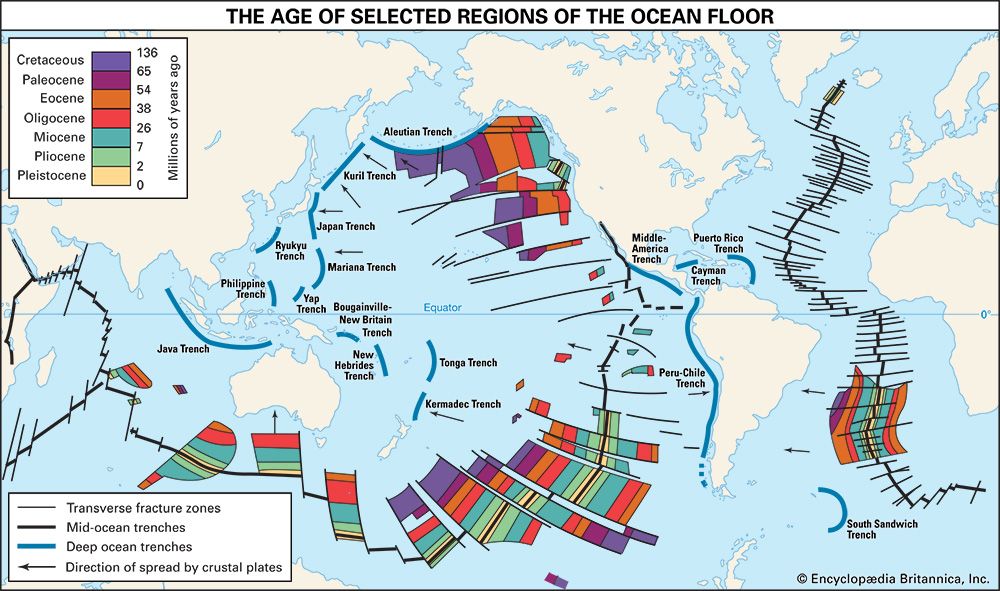
The Black Sea is a residual basin of the ancient Tethys Sea, which existed roughly 250 to 50 million years ago. Its current form began to emerge at the end of the Paleocene Epoch (about 55 million years ago) when structural upheavals in Anatolia separated the Caspian basin from the Mediterranean Sea.2
Over millions of years, the basin underwent significant changes:
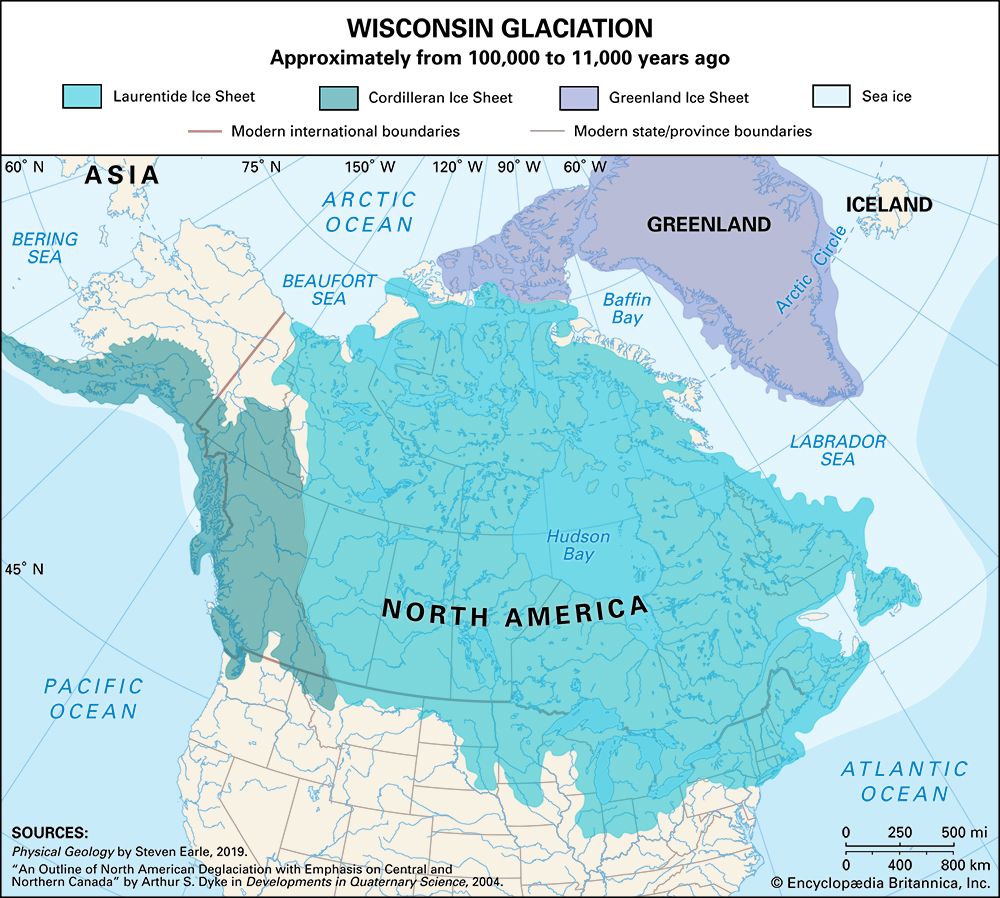
- Isolation and Fluctuations: As surrounding mountain ranges like the Caucasus and Carpathians rose, the basin became isolated, reducing its salinity. During the Pleistocene Epoch, it intermittently connected to the Mediterranean and, during the last major glaciations, existed as a large freshwater lake.2
- Modern Connection: The current saline connection to the Mediterranean via the Bosporus and Dardanelles was established approximately 6,500 to 7,500 years ago.26
Geologically, the sea is a vast structural downwarp with a unique crustal composition featuring sedimentary and basaltic layers. A defining feature is its lack of oxygen in deep waters—below 230–500 feet—due to weak ventilation, rendering the lower levels biologically dead.278
What is the significance of the Black Sea in terms of marine biodiversity?
The Black Sea’s marine biodiversity is defined by a unique stratification that limits life primarily to its upper layers. Because the sea lacks sufficient ventilation, it contains a deep, oxygen-free zone contaminated by hydrogen sulfide, which renders the lower depths almost entirely lifeless, save for specialized bacteria.58
In the oxygenated surface waters, the ecosystem is characterized by:
- Flora and Fauna Origins: Most species are derived from the Mediterranean, while freshwater estuaries and river mouths host Caspian elements. Caspian elements.5
- Microorganisms and Plankton: The sea supports a high biomass of microorganisms. While phytoplankton are diverse with about 750 species, zooplankton are less varied than in the Mediterranean, numbering only about 80 species, including jellyfish.9
- Fish Populations: There are approximately 180 species of fish, with about one-fifth holding commercial value. Key species include khamsa, sprat, horse mackerel, and the prolific spiny dogfish.95
Due to the toxic deep-water conditions, benthic (sea-bottom) life is significantly less diverse than in the Mediterranean. Conservation efforts, such as the Bucharest Convention, are essential to protect these fragile biological resources from pollution.91
What historical and cultural importance does the Black Sea hold for the surrounding regions?
The Black Sea has held immense strategic and cultural significance for centuries, serving as a vital crossroads between Europe and Asia. In ancient times, it occupied the fringes of the Mediterranean world, appearing in Greek mythology as the Pontus Axeinus (“Inhospitable Sea”). As Greek explorers established colonies along its shores, they grew more familiar with the region, eventually renaming it Pontus Euxinus (“Hospitable Sea”). The sea is famously linked to the legend of Jason and the Argonauts, who sailed its waters in search of the Golden Fleece in the kingdom of Colchis, located in modern-day Georgia.2
Later, as the Turks gained control of the southern shores, they encountered the sea’s sudden, violent storms and reverted to a name reflecting its harsh nature: Karadeniz, or Black Sea. Beyond its mythological roots, the region has long been a critical transportation artery. Today, it remains a major economic hub, facilitating trade through historic ports like Odessa and Istanbul, while its climate and mineral springs have established it as a significant center for recreation and recuperation.21
Sources
- Black Sea - Economic aspects — Encyclopædia Britannica
- Black Sea — Encyclopædia Britannica
- Ukraine - Trade — Encyclopædia Britannica
- Romania - Transportation and telecommunications — Encyclopædia Britannica
- Black Sea - Marine life — Encyclopædia Britannica
- Black Sea - Geology — Encyclopædia Britannica
- Mediterranean Sea — Encyclopædia Britannica
- Black Sea: Top Questions — Encyclopædia Britannica
- Black Sea - Hydrology — Encyclopædia Britannica
- Black Sea - Physiography — Encyclopædia Britannica
Published on · 4 min read