Cuban Crocodile
The Cuban crocodile (Crocodylus rhombifer) is a critically endangered species of crocodile native to the freshwater swamps and streams of the Zapata…
What is a Cuban crocodile?
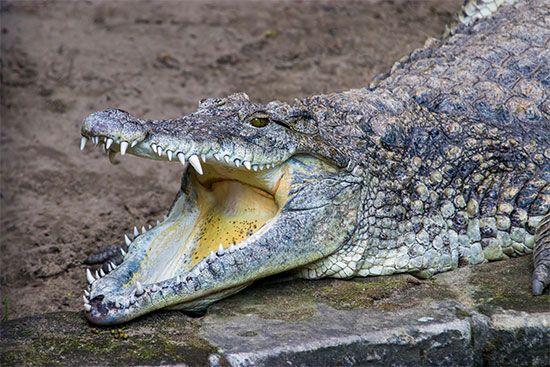
The Cuban crocodile (Crocodylus rhombifer) is a critically endangered species of crocodile native to the freshwater swamps and streams of the Zapata Peninsula in Cuba. It possesses the smallest geographic range of any living crocodile species.1
Physically, these medium-sized reptiles typically measure less than 3.5 meters (11.5 feet) and weigh about 70–80 kg (154–176 pounds), though some individuals can reach 5 meters. They are known for their agility on land, where they can gallop at high speeds, and their ability to leap from the water to capture prey.1
The species faces severe threats, including habitat loss, poaching, and hybridization with the American crocodile, which compromises its genetic integrity. Conservation efforts are critical to preventing the extinction of this unique animal.1
Where does the Cuban crocodile live?
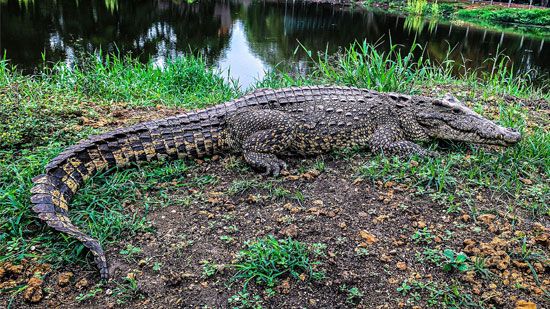
The Cuban crocodile (Crocodylus rhombifer) has the smallest geographic range of any living crocodile species, inhabiting only the freshwater swamps and streams of the Zapata Peninsula on the island of Cuba.13
Historically, the species also inhabited the Isla de la Juventud, but it was eliminated from that island during the 20th century due to competition with brown caimans and human activity. Today, the remaining population is restricted to the Zapata Peninsula, where its habitat is increasingly threatened by canal construction and the encroachment of the American crocodile, which can interbreed with the Cuban crocodile and reduce its genetic distinctiveness.12
What does the Cuban crocodile look like?
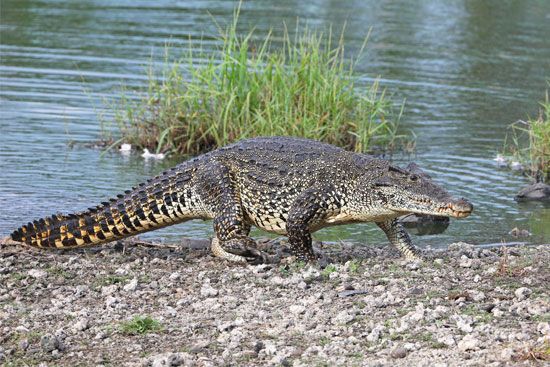
The Cuban crocodile (Crocodylus rhombifer) possesses a distinctive appearance that sets it apart from other crocodilians. It is a medium-sized species, typically measuring less than 3.5 meters (11.5 feet) in length and weighing between 70 and 80 kg (154–176 pounds), though some individuals can reach up to 5 meters (16.4 feet).5
Key physical characteristics include:
- Coloration: The upper body is generally dark, while the sides and tail are marked by intermittent black and pale yellow splotches and speckles. The underside is lighter in color.5
- Head and Snout: The head features a short, broad snout. A unique diagnostic feature is a single bony ridge located behind each eye.5
- Body Structure: Like other crocodiles, it has an elongated body with a powerful, muscular tail suited for swimming. Its skin is covered in a regular pattern of scales, with thick, bony plates (osteoderms) on the back.16
- Limbs: It has short, powerful legs, with the hind feet being partially or wholly webbed.1
What do Cuban crocodiles eat?
The diet of the Cuban crocodile (Crocodylus rhombifer) varies significantly based on the age of the animal:
- Adults: These crocodiles are versatile predators that consume fish, turtles, and various mammals. Their prey includes ground-dwelling species such as white-tailed deer, feral pigs, dogs, and rodents, including the hutia. Additionally, they are known to leap from the water to snatch birds from overhanging branches.1
- Juveniles: Younger crocodiles have a more modest diet consisting primarily of small fish and invertebrates, such as crustaceans and insects.1
While adults have few natural predators, their eggs and hatchlings are vulnerable to various predatory vertebrates and even older Cuban crocodiles, a behavior known as cannibalism.1
Sources
- Cuban crocodile — Encyclopædia Britannica
- Cuban crocodile — Merriam-Webster
- Cuba - Relief — Encyclopædia Britannica
- American crocodile — Encyclopædia Britannica
- crocodile - Size range and diversity of structure — Encyclopædia Britannica
- crocodile - Form and function — Encyclopædia Britannica
Published on · 3 min read