Dab
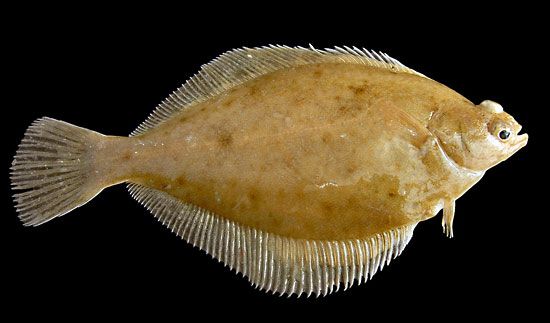
Dab flatfish, which belong to the genus Limanda and the family Pleuronectidae, occupy a specific niche within marine food webs as bottom-dwelling predators.
What role do dab flatfish play in marine food webs?
Dab flatfish, which belong to the genus Limanda and the family Pleuronectidae, occupy a specific niche within marine food webs as bottom-dwelling predators.1
Like other flatfishes, dabs typically lie on the seafloor, often partially buried in sand or mud for camouflage, with only their eyes protruding to monitor their surroundings. They function as secondary consumers, feeding primarily on crustaceans, other bottom-dwelling invertebrates, and small fish. By remaining motionless until prey ventures within range, they effectively ambush organisms that inhabit or traverse the benthic zone.2
In turn, dabs serve as a food source for larger marine predators, including various species of large fish and cetaceans such as whales and porpoises. Additionally, humans act as significant predators of many flatfish species, as several dabs are considered valuable food fish. Through these interactions, dabs play a vital role in transferring energy from benthic invertebrates and small prey to higher-level predators within their North Atlantic and North Pacific ecosystems.21
What is the ecological and economic importance of dab flatfish?
Dab flatfish, belonging to the genus Limanda within the family Pleuronectidae, hold significant value in both ecological and economic contexts.
Ecological Importance
Dabs are integral components of marine ecosystems in the North Atlantic and North Pacific. As bottom-dwelling, right-eyed flatfish, they inhabit the continental shelf, where they contribute to the complexity of the benthic food web. By occupying these habitats, they help process energy within the marine environment, serving as a link between lower-level organisms and larger predators.15
Economic Importance
The economic significance of dab flatfish is primarily tied to their role in commercial fishing. The common dab (L. limanda) of European waters is recognized as an abundant and valuable food fish. More broadly, the family Pleuronectidae, which includes various dabs, is highly valued in northern waters, where they are exploited more extensively than other flatfish families. To maintain the long-term viability of these resources, international frameworks like the Common Fisheries Policy have been implemented to regulate catch quotas and ensure the economic and ecological sustainability of the fishing industry. and ecological sustainability of the fishing industry.156
What are some common predators of dab flatfish?
Dab flatfish, which belong to the genus Limanda and the family Pleuronectidae, are subject to predation by a variety of marine organisms as they inhabit the seafloor of the North Atlantic and North Pacific.12
Common predators of these flatfish include:
- Large Fish: Various predatory fish species that share their benthic or near-benthic habitats.2
- Cetaceans: Marine mammals, specifically whales and porpoises, are known to prey upon flatfishes.2
- Humans: Humans are considered the primary predator of many flatfish species, as they are frequently targeted in commercial fishing operations for their value as food.12
To mitigate the risk of predation, dabs utilize camouflage by burying themselves in sand or mud, allowing them to match the patterns of the seafloor and remain concealed from potential threats.27
What is the typical diet of dab flatfish?
Dab flatfish, which belong to the genus Limanda within the family Pleuronectidae, are bottom-dwelling predators that rely on their ability to remain motionless on the seafloor to ambush prey.12
While specific dietary studies for every species in the genus Limanda are not detailed in the provided text, they share the general feeding behaviors of other pleuronectiforms. As benthic feeders, they primarily consume:
- Crustaceans: A staple component of their diet.2
- Bottom Invertebrates: Various organisms that inhabit the seafloor, such as polychaete worms, mollusks, and echinoderms.28
- Small Fish: They opportunistically hunt smaller fish that venture too close to their position.2
When hunting, these flatfish remain buried in sand or mud with only their eyes protruding. Once prey is within range, they leap from the bottom to capture it.2
Sources
- dab — Encyclopædia Britannica
- pleuronectiform - Feeding behaviour — Encyclopædia Britannica
- sanddab — Encyclopædia Britannica
- scorpaeniform - Ecology — Encyclopædia Britannica
- pleuronectiform - General features — Encyclopædia Britannica
- North Sea - Fisheries — Encyclopædia Britannica
- coloration - Background matching — Encyclopædia Britannica
- pleuronectiform - Reproduction — Encyclopædia Britannica
- benthos — Encyclopædia Britannica
Published on · 3 min read