China Aster
The China aster (Callistephus chinensis) is an herbaceous plant belonging to the aster family (Asteraceae). Native to northern China, it has been a popular…
What is China aster?
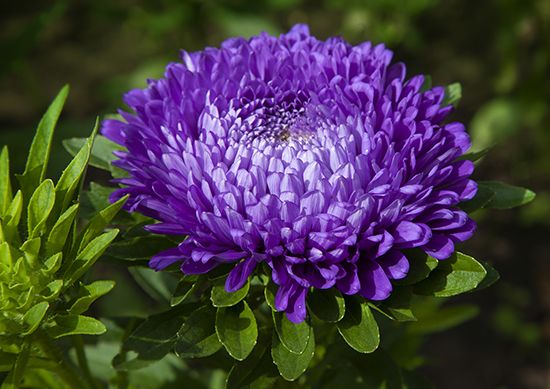
The China aster (Callistephus chinensis) is an herbaceous plant belonging to the aster family (Asteraceae). Native to northern China, it has been a popular garden favorite since at least 1736.12
While the native species typically reaches about 75 cm (2.5 feet) in height and features white to violet flowers with yellow centers, cultivated varieties are highly diverse. These garden forms range from 20 cm to 1 meter (8 inches to 3 feet) in height and produce showy flower heads that can measure up to 12 cm (about 5 inches) across. These blooms are often composed entirely of petallike ray flowers and appear in a wide spectrum of colors, including white, pale yellow, pink, rose, red, blue, purple, and violet.12
How do China asters differ from true asters?
It is a common misconception that China asters and true asters are the same plant; while they both belong to the aster family (Asteraceae), they are distinct genera.
The China aster (Callistephus chinensis) is an annual plant native to China, known for its showy, diverse garden varieties that have been cultivated since 1736. In contrast, “true” asters belong to the genus Aster. While they share the characteristic composite flower structure of the Asteraceae family, they differ in their botanical classification and life cycles. Many true asters are perennial plants, whereas the China aster is grown as an annual.12
What are the best conditions for growing China asters?
To grow healthy China asters (Callistephus chinensis), it is important to provide them with the right environment, as they are popular garden favorites that thrive under specific conditions. While the provided search results detail their botanical classification and physical characteristics, they do not explicitly list specific soil, light, or water requirements for cultivation.
Generally, as members of the Asteraceae family, these plants typically prefer well-drained, fertile soil and a location that receives ample sunlight to support their showy, petallike ray flowers. Because they are herbaceous plants, they require consistent moisture throughout their growing season to maintain their height, which can reach up to 1 meter (3 feet) for certain cultivated varieties.31
What are some other popular flowers in the Asteraceae family?
The Asteraceae family, also known as the aster, daisy, or composite family, is one of the largest plant families in the world, comprising over 1,620 genera and 25,000 species. Beyond the China aster, many other popular flowers belong to this diverse group, often prized for their attractive composite flower heads.456
Some popular ornamental flowers in the Asteraceae family include:
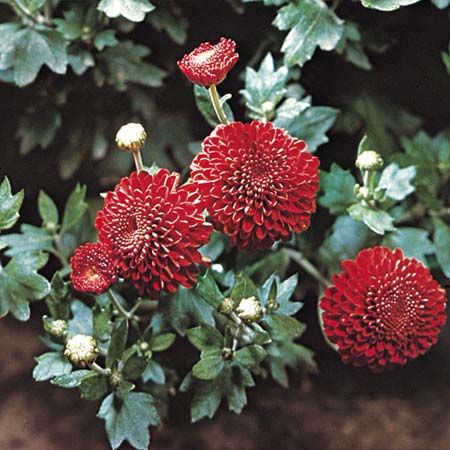
- Chrysanthemum: Known for a wide variety of cultivated forms, including popular “daisy-flowered” and double-flowered types.76
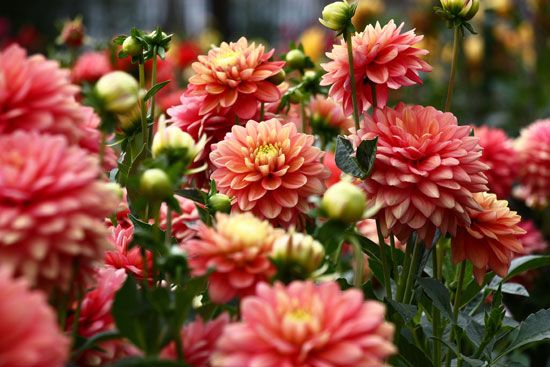
- Dahlia: A garden favorite available in many shapes and sizes, frequently cultivated in double-flowered varieties.76
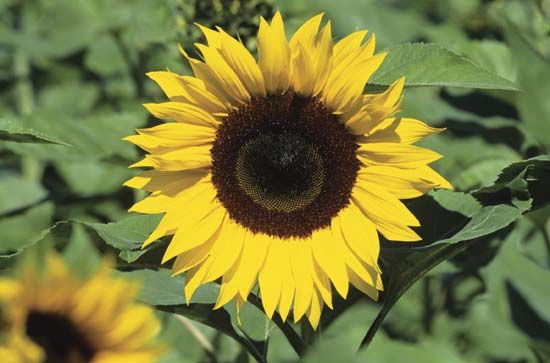
- Sunflower: A major genus (Helianthus) that includes both ornamental varieties and economically significant food crops.68
- Zinnia: Widely grown as a garden ornamental and often found in double-flowered forms.76
- Marigold: Members of the genus Tagetes, known for their vibrant colors and ability to produce compounds that deter certain soil pests.68
- Daisy: Includes various species such as the Shasta daisy, English daisy, and oxeye daisy.96
- Coneflower: Includes popular garden plants like the black-eyed Susan (Rudbeckia hirta) and Echinacea species.56
- Cosmos: A well-known garden favorite valued for its delicate appearance.68
Sources
- China aster — Encyclopædia Britannica
- China aster — Merriam-Webster
- aster — Encyclopædia Britannica
- Asteraceae — Encyclopædia Britannica
- Asteraceae - Physical characteristics — Encyclopædia Britannica
- daisy — Encyclopædia Britannica
- list of plants in the family Asteraceae — Encyclopædia Britannica
- Asteraceae - Flowers — Encyclopædia Britannica
- list of economically important members of the family Asteraceae — Encyclopædia Britannica
- Asterales - Asteraceae — Encyclopædia Britannica
Published on · 2 min read