Asterales
The order Asterales is a significant group of flowering plants comprising 11 families, most notably Asteraceae and Campanulaceae. These plants are…
How are plants in the Asterales order important economically or ecologically?
The order Asterales is a significant group of flowering plants comprising 11 families, most notably Asteraceae and Campanulaceae. These plants are ecologically and economically vital for several reasons:
Ecological Importance
- Pollination Mechanisms: Members of the order utilize a specialized system known as plunger pollination, which promotes outcrossing and ensures reproductive success.12
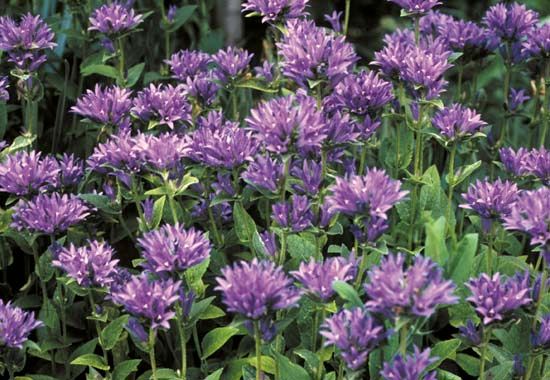
- Habitat Diversity: They occupy nearly every terrestrial habitat, including harsh environments like sand dunes and alkaline soils, playing a key role in diverse ecosystems.3
- Chemical Defense: Many species produce secondary metabolites, such as polyacetylenes and sesquiterpene lactones, which serve as defensive mechanisms against herbivores and pathogens.3
Economic Importance
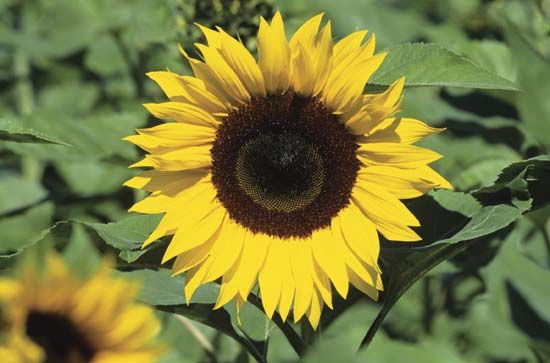
- Food and Agriculture: The order includes essential food crops like lettuce, artichokes, and sunflowers, the latter being a source of cooking oil and livestock feed.43
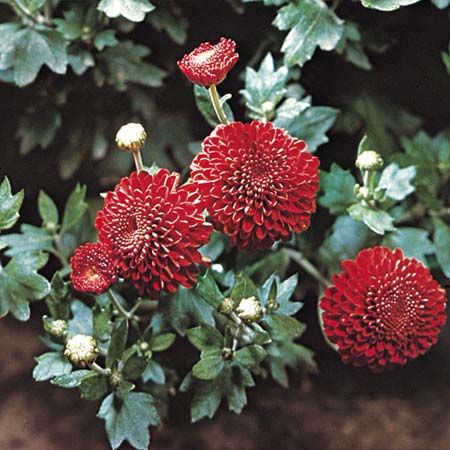
- Ornamentals: Many species are prized as garden plants, including chrysanthemums, dahlias, and zinnias.43
- Medicinal and Industrial Uses: Plants like Stevia provide natural sweeteners, while others yield pyrethrum for environmentally friendly insecticides or compounds used to treat malaria insecticides or compounds used to treat malaria.13
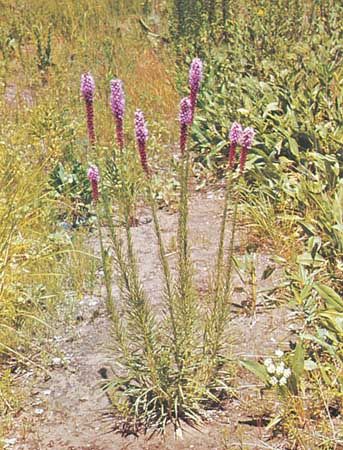
How have humans used plants from the Asterales order throughout history?
Throughout history, humans have utilized plants from the Asterales order—particularly the Asteraceae family—for a wide range of agricultural, medicinal, and aesthetic purposes.
Agriculture and Food
Humans have long cultivated members of this order for sustenance. Notable food crops include lettuce, artichokes, endive, and salsify. The sunflower, which was domesticated by peoples in the Eastern Woodlands of North America, has historically provided seeds for food, cooking oil, and livestock feed. Similarly, safflower has been used for its edible oil and as a source of red and yellow dyes. In modern times, Stevia has become a significant source of noncaloric sweeteners.153
Medicine and Industry
Various species have been valued for their chemical properties:
- Medicinal: Extracts from wormwood (Artemisia) have been used to expel intestinal worms, and compounds from Artemisia annua are increasingly vital in treating malaria.5
- Insecticides: Pyrethrum, derived from certain flowers, serves as an environmentally friendly insecticide.5
- Industrial: Sunflower and safflower oils are utilized in the manufacture of soaps, paints, and varnishes.5
Ornamentals and Weeds
Humans have extensively cultivated Asterales for their aesthetic value, including chrysanthemums, dahlias, and zinnias. Conversely, some species, such as dandelions and ragweed, have historically been managed as troublesome weeds, with ragweed being a primary cause of hay fever.15
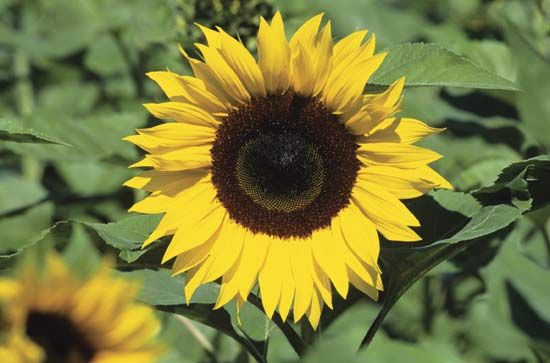
Are there any endangered species within the Asterales order, and what conservation efforts exist?
While the Asterales order contains nearly 27,000 species, many of which are common, it also includes rare and threatened plants that face the risk of extinction. Because the order is so vast, specific conservation status varies significantly by species and region.
Conservation Efforts
Conservation for endangered species within this order is primarily managed through the collaborative efforts of scientific institutions, such as botanical gardens and herbaria. These organizations employ several key strategies to protect biodiversity:
- Living Collections: Botanical gardens maintain “living stores” of genetic diversity. By cultivating rare or threatened species, they ensure that plants facing extinction in the wild remain alive and available for study and potential reintroduction.
- Seed Banking: Many institutions participate in global initiatives, such as the Millennium Seed Bank Partnership, to store seeds in controlled environments. This guards against extinction and provides a resource for future habitat restoration projects.
- Research and Documentation: Herbaria serve as essential reference collections. By documenting where and when plants were collected, researchers can track historical biogeography, identify new species, and understand the original biodiversity of degraded habitats.
- Collaborative Protection: Organizations often work in tandem to exchange genetic material—such as seeds and pollen—to preserve at-risk species and support restoration efforts.
How many families are included in the Asterales order, and what are some of the major ones?
The Asterales order, commonly known as the daisy order, comprises 11 families and approximately 26,870 species of flowering plants. These families are unified by shared chemical characteristics, such as the presence of inulin and ellagic acid, as well as a specialized reproductive mechanism called plunger pollination.2
The two most prominent families within the order are:
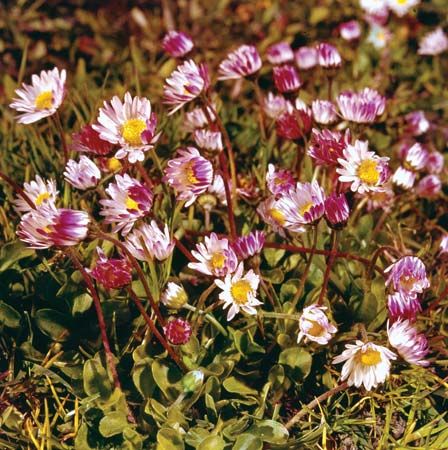
- Asteraceae: Often called the composite, daisy, or aster family, this is one of the largest plant families in the world, containing more than 1,620 genera and 25,000 species.12
- Campanulaceae: This family includes the former Lobeliaceae and represents a major component of the order.213
The remaining nine families contain significantly fewer species: Goodeniaceae, Stylidiaceae, Menyanthaceae, Calyceraceae, Rousseaceae (including Carpodetaceae), Pentaphragmataceae, Alseuosmiaceae, Phellinaceae, and Argophyllaceae.213
Sources
- Asteraceae - Economic importance — Encyclopædia Britannica
- Asterales — Encyclopædia Britannica
- Asterales - Asteraceae — Encyclopædia Britannica
- Asteraceae - Pollination — Encyclopædia Britannica
- Neolithic — Encyclopædia Britannica
- Asterales — Merriam-Webster
- list of plants in the family Asteraceae — Encyclopædia Britannica
- How Botanical Gardens Save Plants with Science — Encyclopædia Britannica
- list of economically important members of the family Asteraceae — Encyclopædia Britannica
- Rare but Not Forgotten - Learn more — Encyclopædia Britannica
- Botanical garden - Layouts and facilities — Encyclopædia Britannica
- Asteraceae — Encyclopædia Britannica
- angiosperm - Annotated classification — Encyclopædia Britannica
Published on · 4 min read