Dongting Lake
Dongting Lake serves as a critical component of the Yangtze River system, acting as a natural retention reservoir that regulates water flow. The lake is…
How does Dongting Lake interact with the Yangtze River system, and what role does it play in flood control?
Dongting Lake serves as a critical component of the Yangtze River system, acting as a natural retention reservoir that regulates water flow. The lake is connected to the Yangtze by four channels, and during the flood season (June to October), the river’s waters flow into the lake, significantly expanding its surface area and depth to absorb excess volume.1
This interaction is vital for flood control, as the lake helps mitigate the impact of monsoon-driven surges in the Yangtze basin. To supplement this natural function, large-scale engineering projects have been implemented, including the construction of artificial retention basins like Lake Datong and the use of floodgates to divert excess Yangtze water. Additionally, the Three Gorges Dam upstream now plays a primary role in regulating the river’s flow, working in tandem with the lake to limit downstream flooding. While historical land reclamation once threatened the lake’s regulatory capacity, modern conservation efforts and bank reinforcements have been prioritized to restore and protect its essential role in managing the river’s hydrology.12
Where is Dongting Lake located in China, and what are its key geographical features?
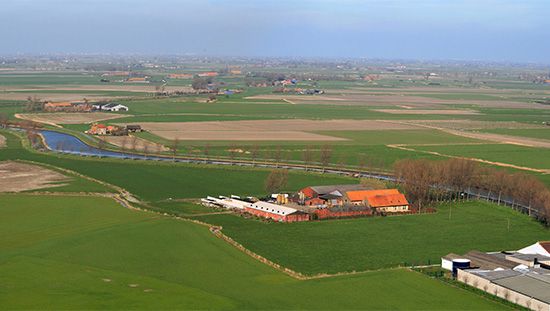
Dongting Lake is located in the northern part of Hunan province in south-central China. Situated in a basin south of the Yangtze River, it serves as the country’s second-largest freshwater lake.1
Key geographical features include:
- Hydrological System: The lake is fed by four channels from the Yangtze and the drainage of nearly all of Hunan province, including the Xiang River, the Yuan River, and the Zi and Li rivers. All waters eventually discharge into the Yangtze at Yueyang.1
- Seasonal Variability: The lake’s size fluctuates dramatically. While its normal area is approximately 1,089 square miles (2,820 square km), flood periods can cause water levels to rise by up to 50 feet (15 meters), expanding the inundated area by as much as 7,700 square miles (20,000 square km).1
- Sedimentation and Land Use: The lake is prone to silting from river sediment, which has historically led to land reclamation and reduced surface area, though modern conservation efforts now focus on restoring its capacity.1
How has human activity, such as dam construction, affected Dongting Lake over the years?
Human activity has significantly altered Dongting Lake over the decades, primarily through land reclamation and large-scale engineering projects. Between the 1930s and 1950s, extensive land reclamation along the lake’s banks and within its dikes—compounded by heavy sedimentation from inflowing rivers—reduced the lake’s surface area by approximately 400 square miles by the 1970s. This loss of area severely impaired the lake’s ability to act as a natural retention reservoir, leading to increased flooding on the rivers flowing into it.1
To manage these challenges, the government implemented major infrastructure projects:
- Retention Basins: The construction of the Lake Datong retention basin (1954–1956) and associated barrages allowed for controlled diversion of Yangtze River floodwaters.1
- Conservation Efforts: Following the 1998 floods, authorities prohibited further reclamation and initiated projects to reconnect lake sections, reinforce banks, and improve soil and water conservation.1
- Upstream Regulation: The Three Gorges Dam was built to regulate the Yangtze’s flow, though it has raised concerns regarding sediment transport, downstream bank erosion, and the preservation of endangered species.13
What economic activities are associated with Dongting Lake and its surrounding areas?
The area surrounding Dongting Lake serves as a vital economic hub for northern Hunan province, functioning as a primary center for agricultural collection and distribution.1
Key economic activities in the region include:
- Agriculture: The fertile plains surrounding the lake are highly productive. Industrial crops such as ramie, cotton, and jute are specifically cultivated in this area. Additionally, the floor of the Lake Datong retention basin is utilized for cultivation when it is not being used to manage floodwaters.41
- Fishing: The lake is a significant fishing ground, particularly during the winter months. It is well-known for its production of various fish, including carp, silver carp, and “silver fish”.14
- Industry and Refining: The region supports industrial infrastructure, most notably the Zhangling Oil Refinery, which was established in 1971 on the edge of the lake to supply fuel oil for the province.1
- Logistics: The lake acts as a critical link between northern Hunan and the Yangtze River, facilitating the transport of goods via large craft during the flood season when channels are navigable.1
Sources
- Dongting Lake — Encyclopædia Britannica
- Yangtze River - Hydrology of the Yangtze River — Encyclopædia Britannica
- Yangtze River - Human impact on the environment — Encyclopædia Britannica
- Hunan - Agriculture, forestry, and fishing — Encyclopædia Britannica
Published on · 3 min read