Ramie
Ramie (Boehmeria nivea) has been cultivated in eastern Asia for its bast fibre since prehistoric times. Beyond its origins in Asia, the use of ramie fabric…
How long has ramie been cultivated and used by humans?
Ramie (Boehmeria nivea) has been cultivated in eastern Asia for its bast fibre since prehistoric times. Beyond its origins in Asia, the use of ramie fabric dates back to ancient Egypt, and the material was known in Europe during the Middle Ages.1
While the plant has been utilized for millennia, it was not exported from East Asia to the Western Hemisphere until the early 18th century, and it did not achieve significant commercial importance in the West until the 1930s. Although the term “ramie” was first recorded in English usage around 1817, the history of the plant as a textile source spans back to the earliest periods of human civilization in Asia.12
What are the unique properties of ramie fibers that make them valuable?
Ramie fibers are highly valued for their exceptional physical characteristics, which make them a durable and versatile textile material. Their unique properties include:
- Superior Strength: Ramie is stronger than flax, cotton, or wool. Notably, the fiber increases in strength when wet.1
- Durability and Stability: Fabrics made from ramie do not shrink or lose their shape. They are also resistant to mildew and other microorganisms.1
- Aesthetic and Texture: The fibers are pure white, lustrous, and become smoother and more shiny with repeated washings.1
- Absorbency and Dyeability: Ramie is highly moisture-absorbent and can be readily dyed.1
- Environmental Resistance: The fiber does not change color even with prolonged exposure to sunlight.1
Despite these advantages, the fiber is known for being brittle and having low elasticity, which can complicate the spinning and weaving processes.1
What is ramie and where does it primarily grow?
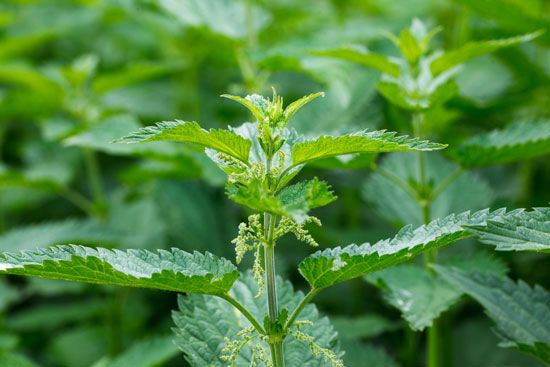
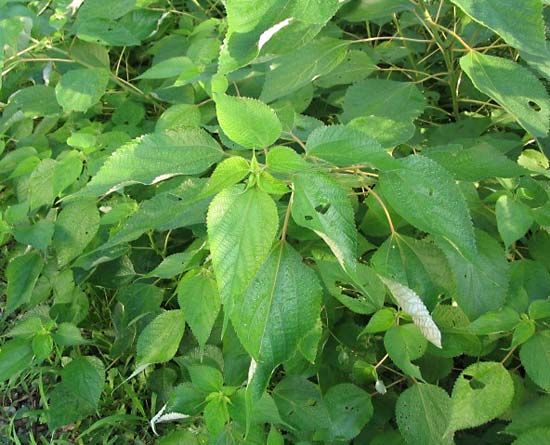
Ramie (Boehmeria nivea) is a perennial plant belonging to the nettle family (Urticaceae). It is primarily cultivated for its bast fibre, which is known for being exceptionally strong, lustrous, and moisture-absorbent.1
The plant thrives in warm, moist climates that receive consistent rainfall, typically requiring well-drained sandy soil to grow effectively. While it is native to China, it is grown in several other regions globally. Currently, China remains the leading producer of ramie, with significant production also occurring in Japan, Taiwan, the Philippines, and Brazil.1
How does ramie compare to other natural fibers like cotton or linen in terms of sustainability and performance?
Ramie is a bast fiber that offers distinct performance advantages over other natural fibers like cotton and flax. In terms of performance, ramie is notably stronger than these counterparts, and its strength actually increases when wet. Unlike many other textiles, it is highly resistant to mildew and microorganisms, does not shrink, and maintains its shape well.1
Regarding sustainability, ramie—like other bast fibers—is biodegradable and is considered more ecologically sustainable than synthetic textiles derived from fossil fuels, such as polyester or nylon.3
However, ramie’s widespread adoption is hindered by its processing requirements. Extracting the fiber is labor-intensive and expensive, as it involves removing adhesive gums through complex scraping, heating, and chemical treatments. Additionally, its brittle nature and low elasticity make it more difficult to spin and weave compared to more pliable fibers.1
Sources
- ramie — Encyclopædia Britannica
- ramie — Merriam-Webster
- Bast fiber — Encyclopædia Britannica
Published on · 2 min read