Dove
A dove is any of the various birds belonging to the pigeon family, Columbidae. While the terms "pigeon" and "dove" are often used interchangeably, "dove"…
What is Dove?
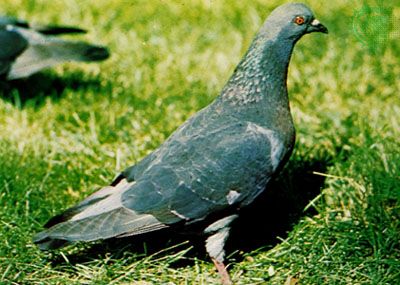
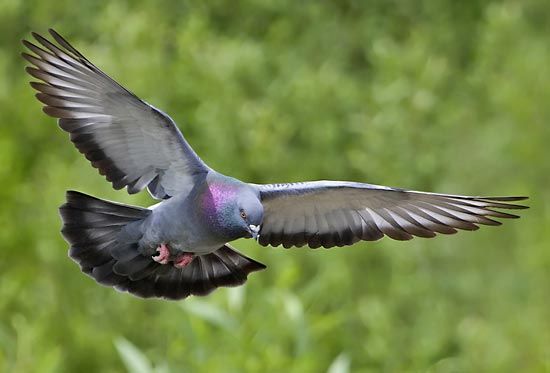
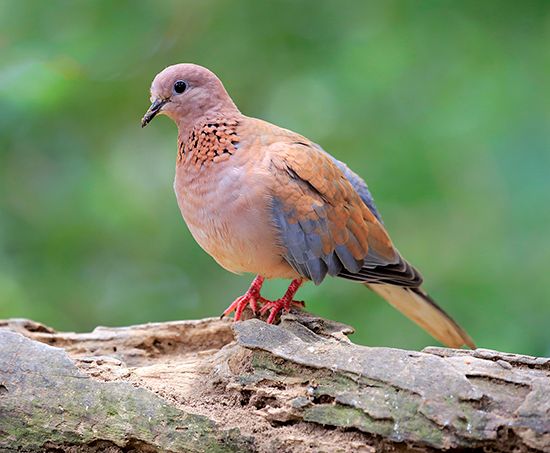
A dove is any of the various birds belonging to the pigeon family, Columbidae. While the terms “pigeon” and “dove” are often used interchangeably, “dove” typically refers to the smaller, long-tailed members of the family. These birds are found worldwide, excluding subpolar regions and certain oceanic islands, and they exhibit a wide range of colors, from grays and browns to striking greens and purples.12
Beyond its biological classification, the term has symbolic and political meanings:
- Symbolism: The domestic pigeon, often called the “rock dove,” is famously portrayed as the “dove of peace”.1
- Political usage: A “dove” refers to an individual who advocates for negotiation and compromise, particularly someone who opposes war, often contrasted with a “hawk”.3
Why is the dove often used as a symbol of peace?
The dove is widely recognized as a symbol of peace primarily due to its depiction in the Bible. In the book of Genesis, a dove returns to Noah on the Ark carrying an olive leaf in its beak, signaling that the floodwaters were receding and that safety and relief had arrived. This imagery established the bird as a lasting emblem of comfort and the cessation of conflict.4
In modern political discourse, the term “dove” is used to describe an individual who advocates for negotiation, compromise, and the avoidance of war, often serving as the direct antonym to a “hawk,” or one who favors military intervention. This specific political usage gained significant prominence during the 1960s, particularly in the context of the Vietnam War. Additionally, the domestic pigeon, often referred to as the “rock dove,” is the specific bird traditionally portrayed as the “dove of peace”.5431
What are the main differences between doves and other birds in the pigeon family?
There is no strict biological distinction between “doves” and “pigeons,” as both belong to the family Columbidae. The terms are often used interchangeably, and their common names do not necessarily reflect their evolutionary relationships. However, there are general conventions used to differentiate them:1
- Size and Shape: The term “dove” is typically applied to the smaller, long-tailed members of the family, while “pigeon” often refers to larger, stockier species.1
- Exceptions: These naming conventions are inconsistent. For example, the domestic pigeon—a typical pigeon—is frequently called the “rock dove”.1
- Ecological Adaptations: Members of the family exhibit diverse adaptations based on their environment:
- Arboreal vs. Ground-feeding: While many species are arboreal, others have evolved to feed primarily on the ground. Some ground-dwelling species, known as “quail doves,” have convergently evolved to resemble partridges, featuring shorter wings and tails.26
- Feeding Habits: Species that feed on seeds often have stronger gizzards and longer intestines, whereas fruit-eating species (fruit pigeons) typically possess larger mouths and broader, shorter intestines to void fruit stones intact.6
- Flight: Highly migratory species or those that feed in trees often have long, pointed wings for maneuverability, while ground-dwelling species may have reduced wings.6
What does it mean in politics to be called a ‘dove’ versus a ‘hawk’?
In political discourse, the terms “dove” and “hawk” are used to categorize individuals based on their stance toward conflict and foreign policy.
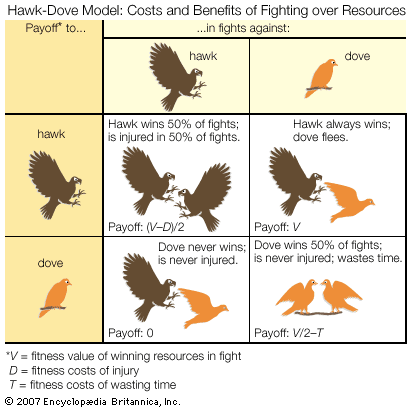
- Doves: A dove is defined as a person who opposes war or warlike policies. Doves typically advocate for negotiation, diplomacy, and compromise, often prioritizing the use of resources for domestic improvements rather than military expansion. The term is associated with pacifism and is often used as a direct antonym to “hawk”.41011
- Hawks: A hawk refers to an individual who adopts a militant or combative attitude in disputes. A hawkish politician or strategist supports immediate, vigorous action, including the use of military force or aggressive foreign policy to achieve national objectives.512
The contrast between these two labels gained significant prominence during the 1960s, particularly in the context of the Vietnam War, to distinguish between those who favored military escalation and those who sought a peaceful resolution.11
Sources
- Dove — Encyclopædia Britannica
- Columbiform - Annotated classification — Encyclopædia Britannica
- dove — Merriam-Webster
- dove — Merriam-Webster
- Animal Names for People: Lounge Lizard, Fat Cat and More | Dove — Merriam-Webster
- Columbiform - Distinguishing characteristics — Encyclopædia Britannica
- Columbiform - Physiology and biochemistry — Encyclopædia Britannica
- Columbiform - General features — Encyclopædia Britannica
- Columbiform - General habits — Encyclopædia Britannica
- hawkish — Merriam-Webster
- hawk — Merriam-Webster
- doves — Merriam-Webster
Published on · 3 min read