Drina River
The Drina River serves as a significant geographical feature in the central Balkans, flowing through diverse terrain that ranges from narrow canyons and…
What role does the Drina River play in the region’s ecology and biodiversity?
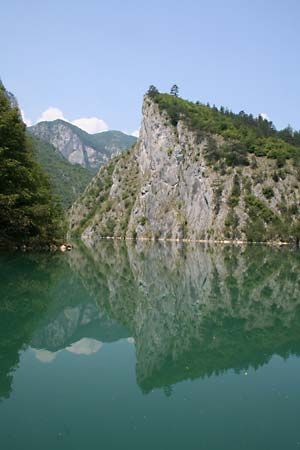
The Drina River serves as a significant geographical feature in the central Balkans, flowing through diverse terrain that ranges from narrow canyons and gorges in its upper course to a wider channel in its lower reaches.1
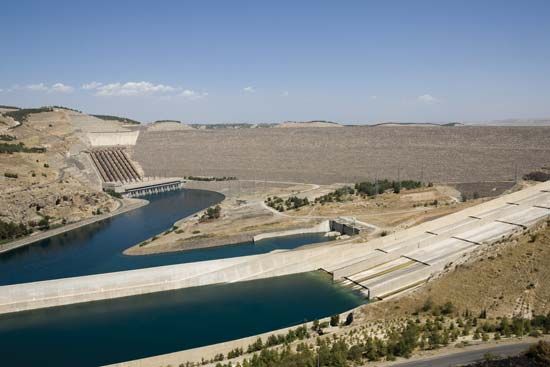
While the river is primarily recognized for its substantial hydroelectric potential—facilitated by man-made lakes at Bajina Bašta and Zvornik—its upper course and various tributaries are also noted for freshwater fishing.1
The provided information does not contain specific details regarding the broader ecological functions or the specific biodiversity supported by the river’s ecosystem.
What are some of the popular recreational activities associated with the Drina River?
The Drina River is primarily noted for its freshwater fishing opportunities, particularly along its upper course and various tributaries.1
Beyond fishing, the river is a significant cultural and historical landmark. Visitors often travel to the city of Višegrad to view the Mehmed Paša Sokolović Bridge, a 16th-century architectural masterpiece designed by the Ottoman architect Sinan and designated as a UNESCO World Heritage site. The area is also culturally significant as the setting for the famous historical novel The Bridge on the Drina by Nobel laureate Ivo Andrić.1
While the river features large man-made lakes at Bajina Bašta and Zvornik, these are primarily utilized for their hydroelectric potential rather than recreational use.1
How has the Drina River been used for transportation and trade throughout history?
The Drina River has historically served as a significant natural boundary between Bosnia and Herzegovina and Serbia, but the provided information does not contain details regarding its specific use for historical transportation or trade routes.
While the river’s geography—characterized by canyons and gorges in its upper course and a wider channel in its lower reaches—has long shaped the region’s landscape, its modern economic utility is primarily focused on its hydroelectric potential rather than navigation or commerce. The river is perhaps best known historically as a cultural landmark, famously depicted in the literature of Ivo Andrić and spanned by the 16th-century Mehmed Paša Sokolović Bridge, which stands as a testament to the region’s architectural and historical heritage.1
What are the major cities or towns located along the banks of the Drina River?
The Drina River flows through the central Balkans, serving as a significant boundary between Bosnia and Herzegovina and Serbia. While the river passes through rugged terrain, including canyons and gorges, there are two major cities located along its banks:
- Višegrad: This city is well-known as the site of the 16th-century Mehmed Paša Sokolović Bridge, a UNESCO World Heritage site designed by the architect Sinan. It is also famously depicted in the historical novel The Bridge on the Drina by Ivo Andrić.1
- Zvornik: This town is notable for its proximity to a major hydroelectric plant, which utilizes the river’s significant power potential.1
Sources
- Drina River — Encyclopædia Britannica
- Bosnia and Herzegovina - Drainage — Encyclopædia Britannica
- Sava River — Encyclopædia Britannica
Published on · 2 min read