Elk River
The name Elk River refers to two distinct rivers in the United States:
What is Elk River?
The name Elk River refers to two distinct rivers in the United States:
- Elk River (Kansas): A river in southeastern Kansas that flows 80 miles (130 km) southeast from near Howard. It passes Elk City, where it is dammed for flood control and irrigation, before joining the Verdigris River near Independence.1
- Elk River (Tennessee-Alabama): A river that rises in the Cumberland Mountains of southern Tennessee. It flows approximately 200 miles (320 km) southwest through Tennessee and into Alabama, where it empties into the Tennessee River near the Wheeler Dam.1
How do dams impact the ecosystems of rivers?
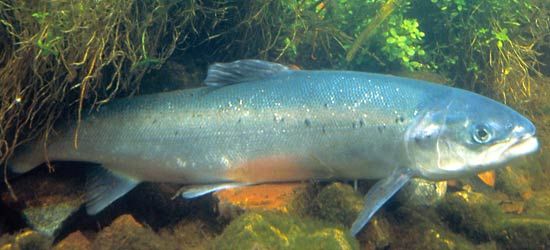
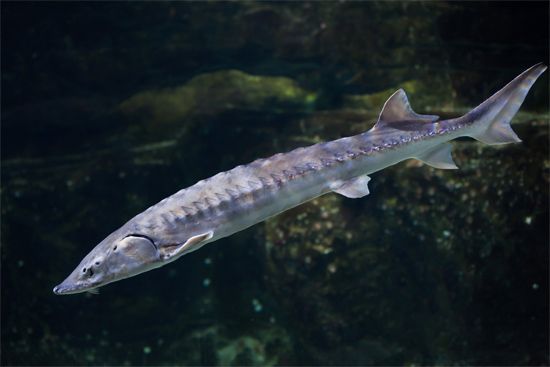
Dams significantly alter river ecosystems by transforming natural landscapes into reservoirs, which often leads to the destruction of local flora and fauna. A primary environmental concern is the obstruction of migratory paths for fish, such as salmon and sturgeon, which prevents them from reaching spawning grounds. While technologies like fish passes—including fish ladders and locks—aim to mitigate these effects, they have struggled to prevent dramatic population declines in many regions.345
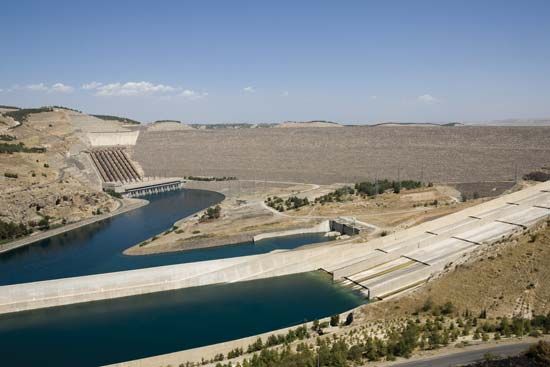
Beyond fish migration, dams cause large-scale inundation, which destroys terrestrial habitats, displaces human communities, and submerges cultural and natural treasures. Furthermore, reservoirs alter the natural flow and sediment transport of rivers. Downstream, the reduction of silt can lead to increased bank erosion and land degradation, while the buildup of sediment within reservoirs may pose long-term risks to dam stability and flood control. Ultimately, while dams provide essential hydroelectric power and irrigation, they remain a subject of intense debate due to their profound and often irreversible impact on riparian environments.35
What is the difference between a river and a tributary?
A river is a large natural passageway for water that flows across the land. In contrast, a tributary is a stream or river that flows into a larger body of water, such as a main river or a lake.67
The relationship is defined by contribution: just as a smaller state might pay tribute to a more powerful one, a tributary contributes its water to a larger river system. Because of this, the distinction is often a matter of scale and hierarchy rather than size alone. For example, the Missouri River is considered a tributary to the Mississippi River, even though the Missouri is itself a massive river that receives hundreds of its own tributaries. While a river acts as a primary channel, a tributary serves as a feeder or branch that helps form a larger drainage basin.869
How are reservoirs used for flood control?
Reservoirs serve as a critical tool for flood control by managing the natural variability of river flows. During periods of excess water—such as heavy rainfall or snowmelt—reservoirs impound the flow, effectively acting as a storage buffer that prevents downstream flooding. By holding this water, the reservoir reduces the peak discharge that would otherwise inundate valleys and riverside communities.1112
Once the threat of flooding has passed, the stored water is released gradually during periods of lower flow, ensuring a more stable and regulated river level. In complex river systems, such as the Mississippi River, reservoirs may work in tandem with other structures like levees, spillways, and floodways to manage large-scale flood events.114
However, this system has limitations. Once a reservoir reaches its maximum storage capacity, it can no longer impound additional water, meaning any further inflow must be released immediately. Additionally, the effectiveness of these structures can be diminished over time by sedimentation, which reduces the available storage volume.41113
Sources
- Elk River — Encyclopædia Britannica
- Elk River — Encyclopædia Britannica
- dam - Fish passes — Encyclopædia Britannica
- dam - Rise of environmental and economic concerns — Encyclopædia Britannica
- Yangtze River - Human impact on the environment — Encyclopædia Britannica
- tributary — Merriam-Webster
- river — Merriam-Webster
- tributaries — Merriam-Webster
- Did you know? — Merriam-Webster
- tributary — Merriam-Webster
- reservoir — Encyclopædia Britannica
- dam - Reservoirs — Encyclopædia Britannica
- Mississippi River - Flood control — Encyclopædia Britannica
- river - Peak discharge and flooding — Encyclopædia Britannica
Published on · 3 min read