El- Oued
El-Oued, located in northeastern Algeria, earned its nickname, the "City of a Thousand Domes," due to its distinctive architectural style. The town is…
What are the unique architectural features of el-Oued that give it the nickname ‘City of a Thousand Domes’?
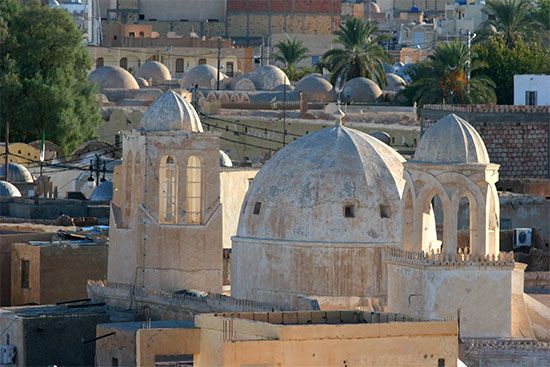
El-Oued, located in northeastern Algeria, earned its nickname, the “City of a Thousand Domes,” due to its distinctive architectural style. The town is characterized by narrow, winding streets lined with cube-shaped buildings constructed from clay-stone, each topped with a cupola or dome.1
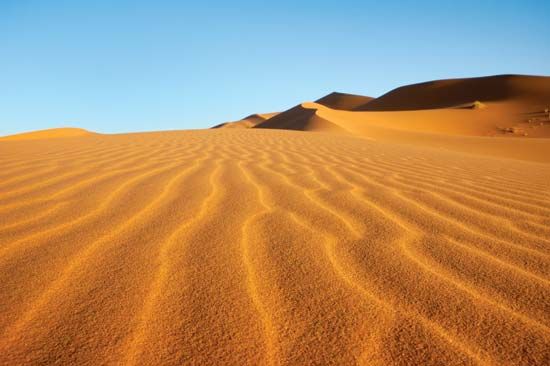
These clustered, domed structures create a unique visual landscape that was famously described by the writer Isabella Eberhardt. Beyond these iconic domes, the town’s architecture also incorporates arcades and arches, reflecting a blend of Moorish and Roman influences. This traditional design is well-adapted to the environment of the Sahara, where the town sits amidst the sand dunes of the Grand Erg Oriental.1
Are there any notable historical or archaeological sites in and around el-Oued?
While el-Oued is primarily celebrated for its distinctive “City of a Thousand Domes” architecture, it features several sites of cultural and historical interest:
- Museum of the Souf: This institution houses a collection of regional exhibits that provide insight into the history and heritage of the Souf Oases area.1
- Fortress Mosque: A notable architectural landmark in the town, this structure reflects the historical blend of Moorish and Roman influences that have shaped the region’s design.1
- Traditional Urban Fabric: The town itself serves as a living historical site, characterized by its narrow, winding streets and traditional clay-stone buildings topped with cupolas, which were famously documented by the writer Isabella Eberhardt.1
- Oasis Agriculture: The surrounding landscape features man-made, funnel-shaped craters used for date palm cultivation. These unique agricultural sites demonstrate the historical ingenuity of the local population in adapting to the Sahara environment.Sahara](https://www.britannica.com/place/Sahara-desert-Africa) environment.1
What role does el-Oued play in Algeria’s tourism industry?
El-Oued serves as a significant cultural and economic hub in northeastern Algeria, contributing to the nation’s tourism industry primarily through its unique architectural heritage and traditional lifestyle. Known as the “City of a Thousand Domes,” the town attracts visitors interested in its distinctive urban landscape, which features narrow, winding streets and clay-stone buildings topped with cupolas.1
Beyond its architecture, the town offers cultural tourism through the Museum of the Souf, which preserves regional history. El-Oued is also a center for traditional crafts, including the production of carpets and woven cloth, which are key attractions for those exploring local artisanal traditions. Furthermore, the surrounding Souf Oases provide a unique look at historical agricultural ingenuity, specifically the cultivation of date palms within man-made, funnel-shaped craters that utilize natural groundwater. While the town remains a busy commercial center for date exports, its status as a gateway to the Sahara and the Grand Erg Oriental makes it a notable destination for travelers seeking an authentic desert experience.1
What are the main economic activities and industries in el-Oued?
The economy of el-Oued is primarily driven by its role as a vital commercial and agricultural center within the Sahara region. Its main economic activities include:
- Agriculture: The town is renowned for its date palm groves. These are cultivated using a unique, historical method involving man-made, funnel-shaped craters that reach groundwater levels, eliminating the need for traditional irrigation.1
- Trade and Exports: Historically a busy caravan center, el-Oued remains a significant hub for the export of high-quality dates.1
- Artisanal Industry: The town is well-known for the production of traditional crafts, specifically carpets and woven cloth, which contribute to its local economy.1
Please note that information regarding mining or heavy industrial sectors, such as those found in other regional cities like Oujda, is not applicable to el-Oued based on the available data.
Sources
- El- Oued — Encyclopædia Britannica
- Oujda — Encyclopædia Britannica
Published on · 3 min read